



 English
 中文简体
中文简体 русский
 Español
 عربى
عربىCat:Underground Box Substation
Product overview:Semi-buried box substation (barrel weight semi-buried box transformer) is a new generation of box-type transformer newly developed on...
See DetailsBox-type transformers are widely used for power distribution in industrial, commercial, and residential applications. Like all transformers, they experience energy losses during operation. These losses can be broadly classified into two categories: no-load losses and load losses. Understanding the characteristics of these losses is crucial for assessing efficiency, operational costs, and overall performance of the transformer.
No-load losses, also known as iron losses or core losses, occur in the transformer's magnetic core when the transformer is energized but not supplying any load. These losses arise primarily from hysteresis and eddy currents in the core material. Hysteresis losses result from the repeated magnetization and demagnetization of the core as the alternating current flows through the primary winding. Eddy current losses are caused by circulating currents induced in the conductive core due to the changing magnetic field. The magnitude of no-load losses depends on the core material, core design, and operating voltage, and they remain relatively constant regardless of the load on the transformer.
No-load losses are influenced by several factors, including the quality of the silicon steel or other magnetic materials used in the core, the thickness of the laminations, and the precision of core assembly. Transformers with high-quality core materials and carefully designed laminations experience lower no-load losses. Additionally, the operating voltage significantly affects no-load losses. If the transformer operates above its rated voltage, the magnetic flux density increases, leading to higher hysteresis and eddy current losses. Proper design and material selection are essential to minimize these losses and improve overall efficiency.
Load losses, also known as copper losses, occur when the transformer is supplying current to a load. These losses are mainly due to the resistance of the windings and the associated I²R heating. Load losses increase with the square of the current and are affected by the conductor material, cross-sectional area, winding design, and ambient temperature. Both primary and secondary windings contribute to load losses, and in three-phase transformers, the distribution of current among the phases also influences the magnitude of these losses.
Several factors influence load losses in box-type transformers. The type of conductor material, such as copper or aluminum, affects the resistive heating. The winding configuration and length of conductor paths determine how much resistance the current encounters. Additionally, operating temperature plays a role, as resistance increases with temperature, leading to higher load losses under elevated operating conditions. The load factor, representing the ratio of actual load to rated load, also impacts losses. Transformers operating near full load for extended periods experience higher cumulative load losses compared to those operating at partial loads.
No-load losses and load losses differ in behavior and significance. No-load losses are present whenever the transformer is energized, regardless of load, while load losses vary with the current and are absent when the transformer is idle. No-load losses are typically smaller in magnitude than load losses for large transformers, but they can be significant in distribution transformers operating continuously at low loads. Understanding both types of losses allows engineers to optimize transformer design and operation for efficiency and reliability.
The following table illustrates approximate no-load and load losses for different sizes of box-type transformers:
| Transformer Rating | No-Load Losses (W) | Load Losses (W) |
|---|---|---|
| 50 kVA | 150–400 | 1,200–2,000 |
| 100 kVA | 300–600 | 2,500–4,000 |
| 250 kVA | 600–1,200 | 6,000–9,000 |
| 500 kVA | 1,200–2,500 | 12,000–18,000 |
Engineers employ several design strategies to reduce both no-load and load losses in box-type transformers. For no-load losses, high-quality silicon steel or amorphous metal cores are used, along with thin laminated cores to minimize eddy currents. For load losses, conductors are sized appropriately to reduce resistance, and advanced winding configurations are applied to shorten current paths. Optimizing transformer size relative to the expected load profile also helps reduce cumulative losses over time, improving overall energy efficiency.
No-load and load losses directly affect the efficiency and operating costs of box-type transformers. High losses result in greater energy consumption and heat generation, which may necessitate additional cooling measures. Over time, cumulative losses can significantly increase electricity costs and reduce the operational lifespan of the transformer. Accurate assessment of losses and careful design selection help minimize operational costs and maintain reliable performance.
Monitoring transformer performance can help identify abnormal losses or overheating. Temperature sensors, load monitoring devices, and periodic inspections ensure that the transformer operates within acceptable parameters. Maintenance practices such as cleaning, tightening connections, and checking insulation integrity contribute to maintaining low load losses and prolonging transformer service life.
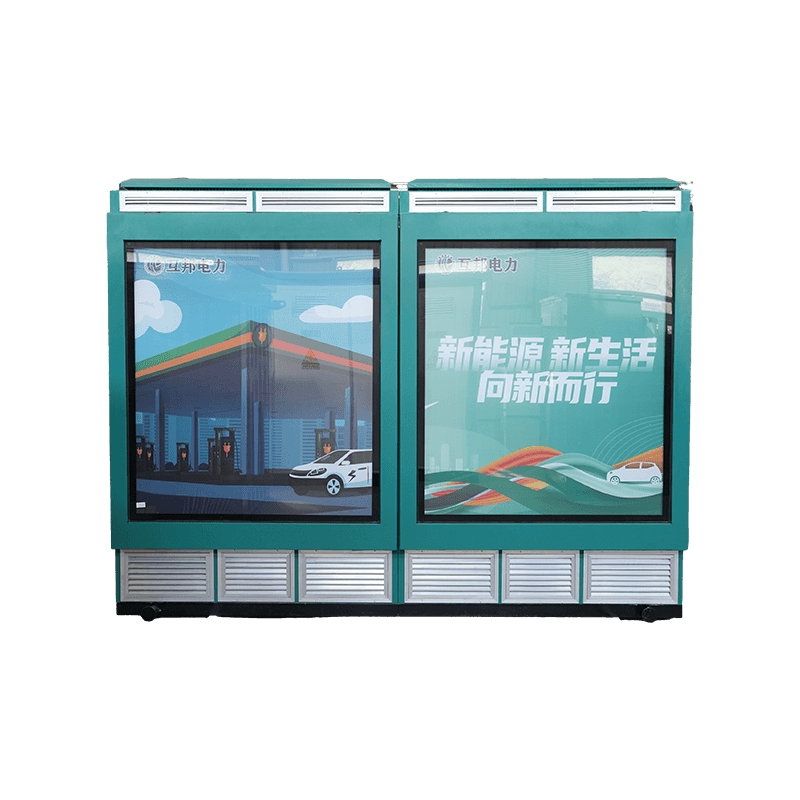
Product overview:Semi-buried box substation (barrel weight semi-buried box transformer) is a new generation of box-type transformer newly developed on...
See Details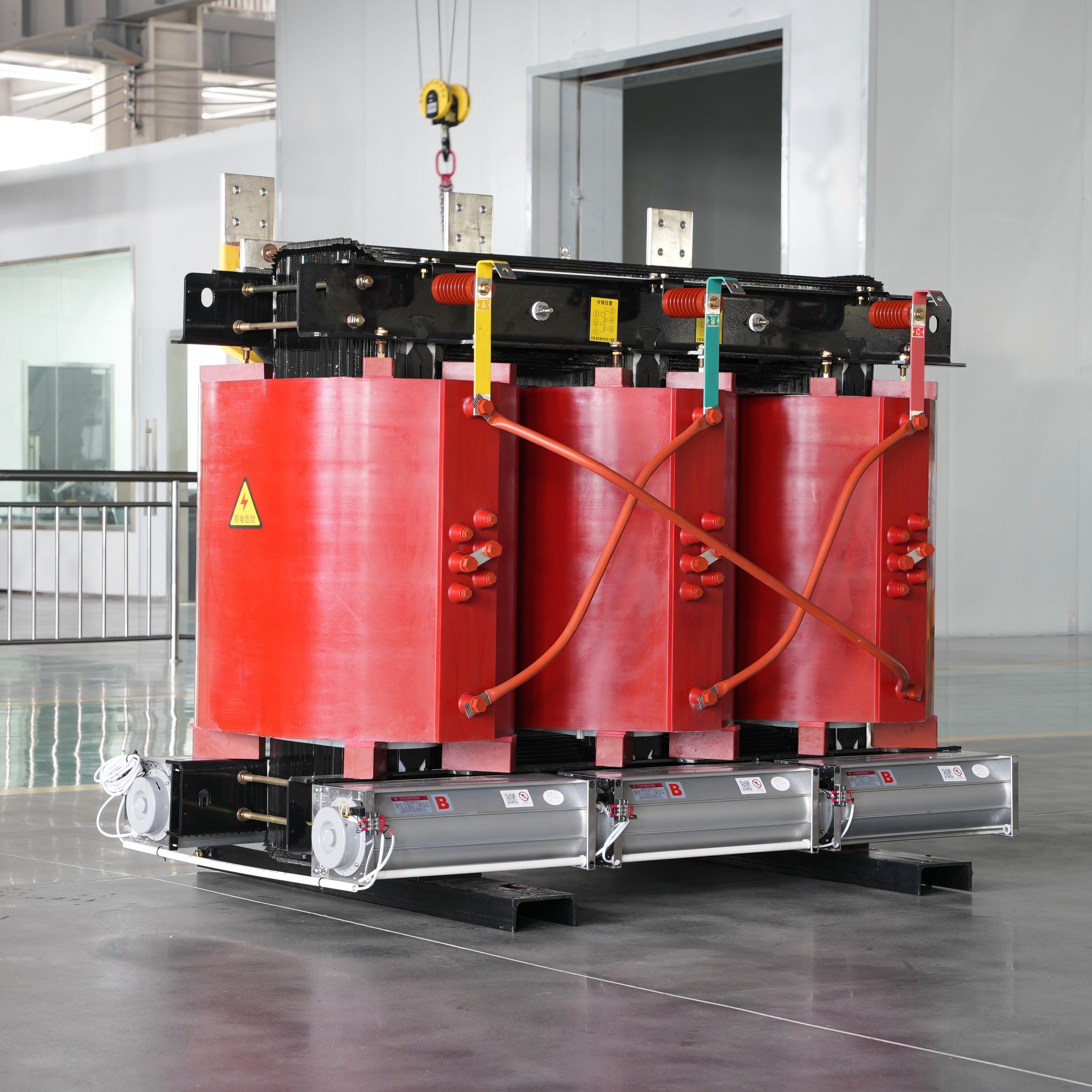
SC (B) series products are epoxy-cast non-excited voltage regulating dry transformers; This type is made of F-grade epoxy resin mixture with filler, a...
See Details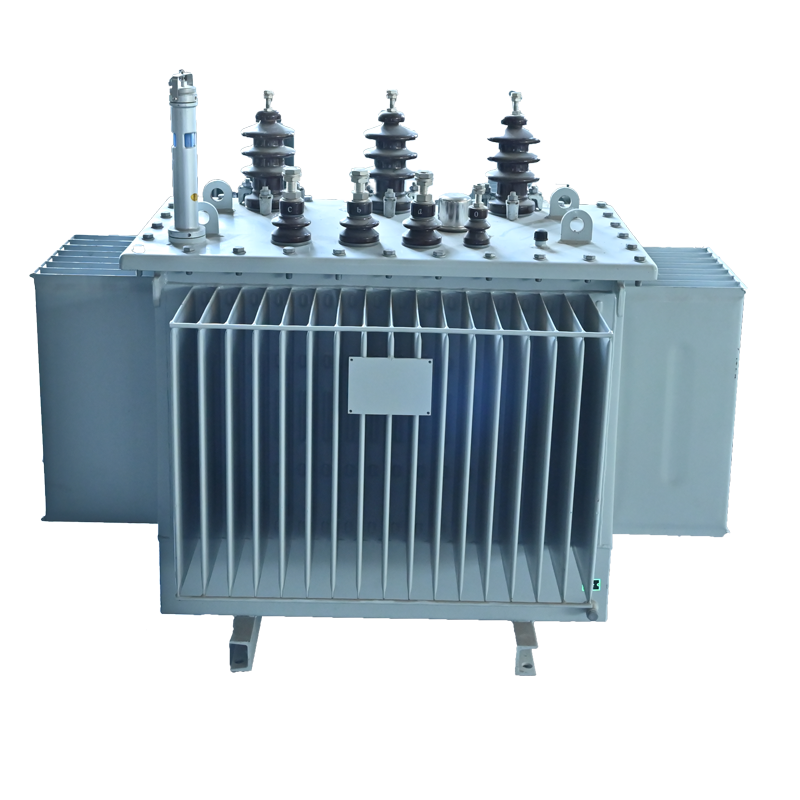
Product Overview: The S22-M iron core is made of high-quality cold-rolled silicon steel sheet, the domestic advanced cross shear line, small shear bur...
See Details
Product overview: Pipe corridor transformer is the abbreviation of "urban underground pipeline comprehensive corridor", that is, the construction of a...
See Details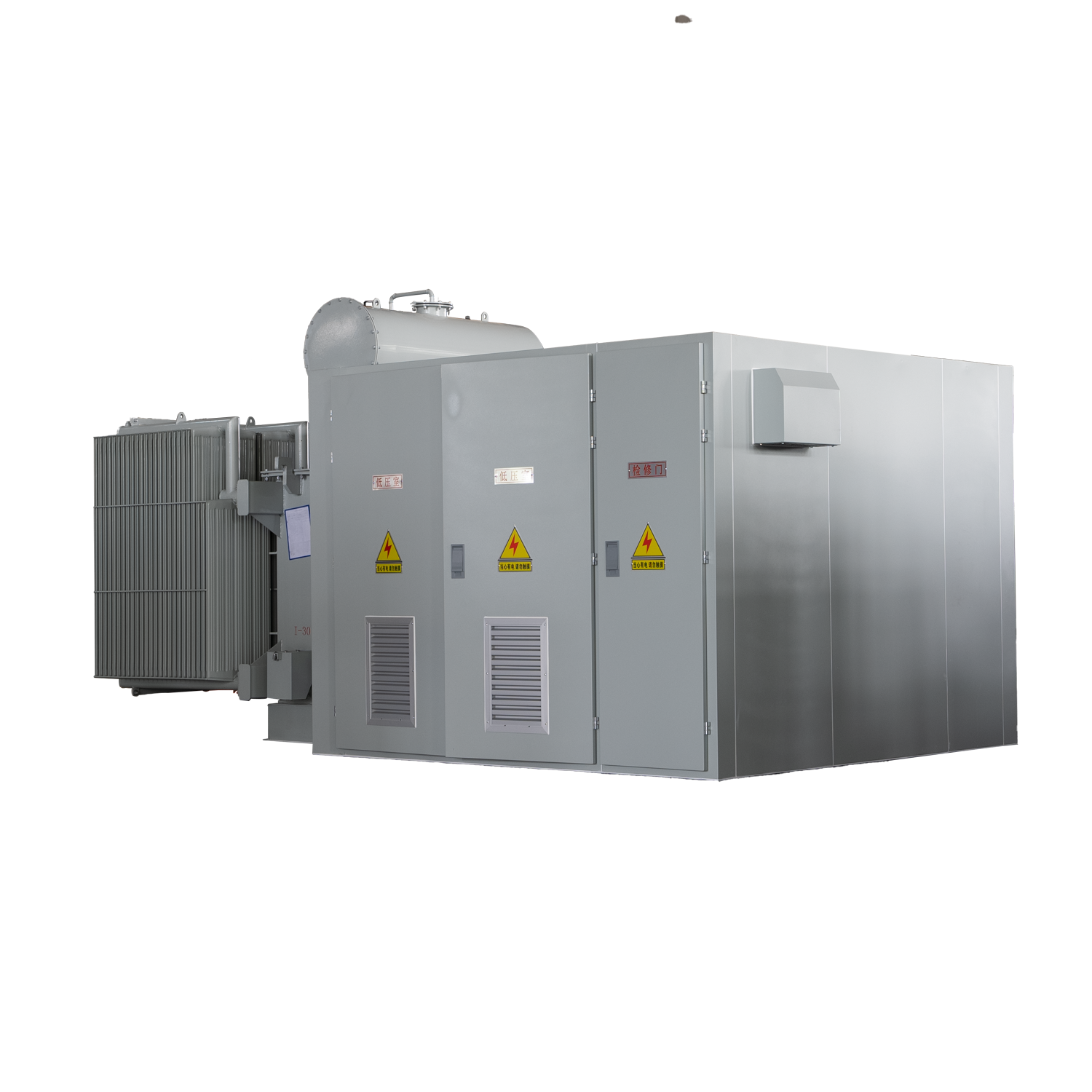
Product overview: Wind combined transformer series products for our company specially designed and developed for wind power generation products, wind ...
See Details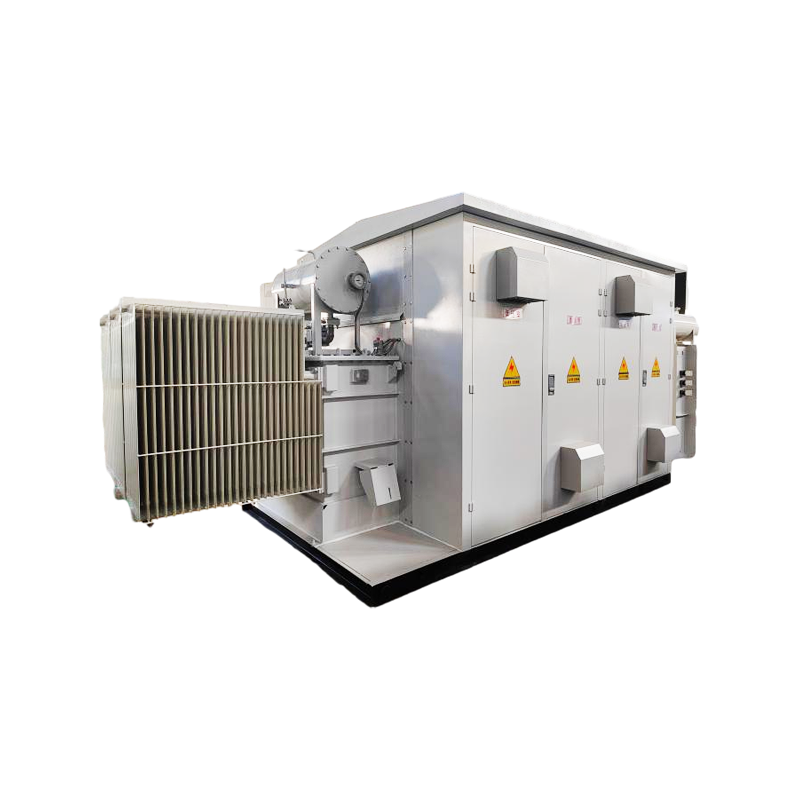
An energy storage box substation is a substation that integrates a traditional substation and energy storage system in a box. It is mainly composed of...
See DetailsRequest for a call today






Contact Us