



 English
 中文简体
中文简体 русский
 Español
 عربى
عربىCat:American-Style Box Substation
Product Overview: ZGS series combined transformer is a series of products developed according to the needs of urban multi-grid construction and develo...
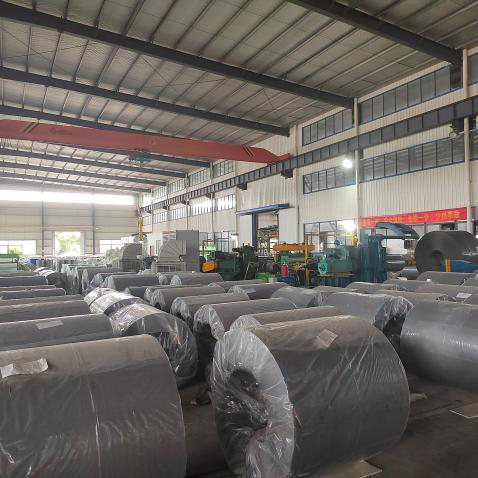
See DetailsUtilizing high-performance silicon steel coil stock as the foundational material for manufacturing electrical machine cores provides power transformer engineers, electric motor designers, and renewable energy grid developers with an optimized solution for suppressing eddy currents and minimizing hysteretic energy dissipation. By precisely alloying soft iron with a specific percentage of silicon, the electrical resistivity of the steel substrate is augmented dramatically. This material optimization delivers up to a 300% reduction in eddy current losses compared to standard low-carbon carbon steels while facilitating an exceptionally high magnetic permeability path for localized magnetic flux. This metallurgical architecture ensures that electrical equipment operates at maximum thermodynamic efficiency, minimizes ambient heat generation, and satisfies strict global standards for carbon emission reductions and utility grid conservation.
In the demanding field of electrical apparatus design, selecting the proper grade of electrical steel sheet metal dictates the operating limits of the entire power system. Standard unalloyed iron sheets possess a low electrical resistance, causing them to convert a large fraction of the moving magnetic field directly into destructive waste heat via circular eddy pathways. This rapid thermal rise breaks down adjacent copper winding insulation and triggers premature system failure. Processing the iron alloy through precise cold-rolling reduction mills into micro-thin silicon-iron coil strips solves these core engineering vulnerabilities. The added silicon acts as an electrical insulator between atomic grains, choking off stray currents while forcing the magnetic domains to realign smoothly with minimal friction.
The operational efficiency and saturation induction threshold of a laminated core assembly depend directly on the precise silicon concentration, grain alignment geometry, and surface insulation chemistry.
Modern electrical steel alloys generally use a silicon mass fraction ranging between 0.5% and 3.5%. Adding silicon expands the lattice structure of the iron, increasing its electrical resistivity from around 10 μΩ·cm up to nearly 50 μΩ·cm. This increase cuts down core losses significantly. However, the concentration must be carefully controlled: exceeding 3.5% silicon makes the metal excessively brittle, causing the coil to crack or split during precision stamping or high-speed slitting operations. Advanced mills overcome this manufacturing constraint by utilizing multi-pass cold rolling under exact temperatures, achieving micro-thin profiles down to 0.20mm without splitting the steel strip.
Core loss performance is measured using an industry-standard Epstein frame apparatus, expressed as watts lost per kilogram of steel at a specific frequency and magnetic induction (e.g., P1.5/50 representing losses at 1.5 Tesla and 50 Hertz). High-grade electrical steel coils utilize laser-scribed domain refinement to reduce these core losses down to less than 0.80 W/kg. This thin, highly refined structure keeps magnetic friction low, ensuring that heavy power components operate coolly and efficiently under continuous full-load conditions.
Selecting the ideal soft magnetic raw material requires balancing the directional requirements of the magnetic flux against operating frequencies, processing complexity, and total cost. The table below outlines the mechanical and electromagnetic differences between these two primary coil classes.
| Electromagnetic Parameter | Grain-Oriented Silicon Steel (CRGO) | Non-Oriented Silicon Steel (CRNO) |
|---|---|---|
| Crystal Lattice Orientation | Anisotropic (Goss texture [110]<001> aligned to rolling direction) | Isotropic (Randomly oriented crystal matrix for multi-angle flux) |
| Core Loss Profile (P1.7/50) | Ultra-Low (Typically 0.40 to 0.70 W/kg along the rolling axis) | Moderate (Typically 1.50 to 3.50 W/kg across all angles) |
| Maximum Magnetic Permeability | Exceptional (Exceeds 10,000 μ along preferred rolling direction) | Moderate (Sits between 2,000 and 4,000 μ uniformly) |
| Optimal Component Suitability | Large utility power transformers, shunt reactors, step-up pods | High-speed electric vehicle motors, alternators, generators |
| Stamping Inherent Strain Sensitivity | High (Mechanical stress degrades orientation; requires annealing) | Low (Resilient under physical punch and shear operations) |
The technical data reveals why matching core geometry to the correct crystal configuration is vital for efficiency. Cold-Rolled Grain-Oriented (CRGO) steel undergoes advanced high-temperature recrystallization annealing, forcing the internal iron crystals to align perfectly with the rolling direction. This directional path enables the material to transfer magnetic energy with almost zero resistance along that specific axis, making it ideal for the straight, stationary magnetic paths found in large grid transformers. Conversely, a rotating electric traction motor requires magnetic flux to spin smoothly through 360 degrees of rotation. For these spinning applications, Cold-Rolled Non-Oriented (CRNO) steel coils provide balanced magnetic performance across all axes, ensuring steady, reliable torque throughout the motor's full rotation.
Modern electrical steel manufacturing applies inorganic insulation layers and laser treatments to ensure maximum performance under deep magnetic saturation.
Because rough handling or incorrect shearing can distort the internal crystal layout and increase material core losses, manufacturing teams follow a strict fabrication sequence.
Even premium-grade silicon steel sheet metal can experience significant drops in efficiency and high acoustic humming noise if it is exposed to blunt tooling forces or improper clamping pressures during assembly.
Shear edge magnetism damage occurs when worn stamping dies punch through thin electrical steel sheets rather than cutting cleanly. The heavy mechanical impact bends and distorts the delicate crystal layout along the cut edges, forming a high-friction zone where the magnetic domains struggle to realign. This localized damage can increase core losses along the cut border by up to 40%. Processing facilities prevent this efficiency loss by regrinding die edges frequently to keep burrs under 10 microns, and running final stress-relief annealing cycles to restore the distorted crystal matrix.
Magnetostriction core humming is an intrinsic physical trait where silicon-iron crystals expand and contract slightly (by a few parts per million) whenever a magnetic field passes through them. This rapid micro-stretching creates the loud, continuous humming noise common to grid substations. While this vibration cannot be stopped completely, engineers reduce the noise by applying high-tension glass coatings over the steel face and tightening the final core frame with uniform clamping bolts, preventing the micro-vibrations from turning into loud structural noise.
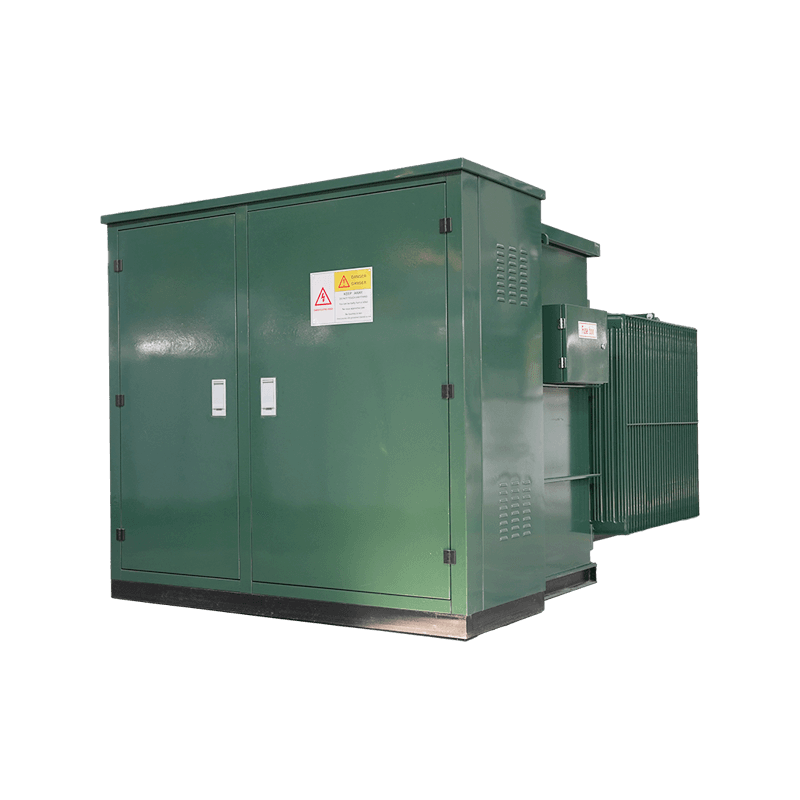
Product Overview: ZGS series combined transformer is a series of products developed according to the needs of urban multi-grid construction and develo...
See Details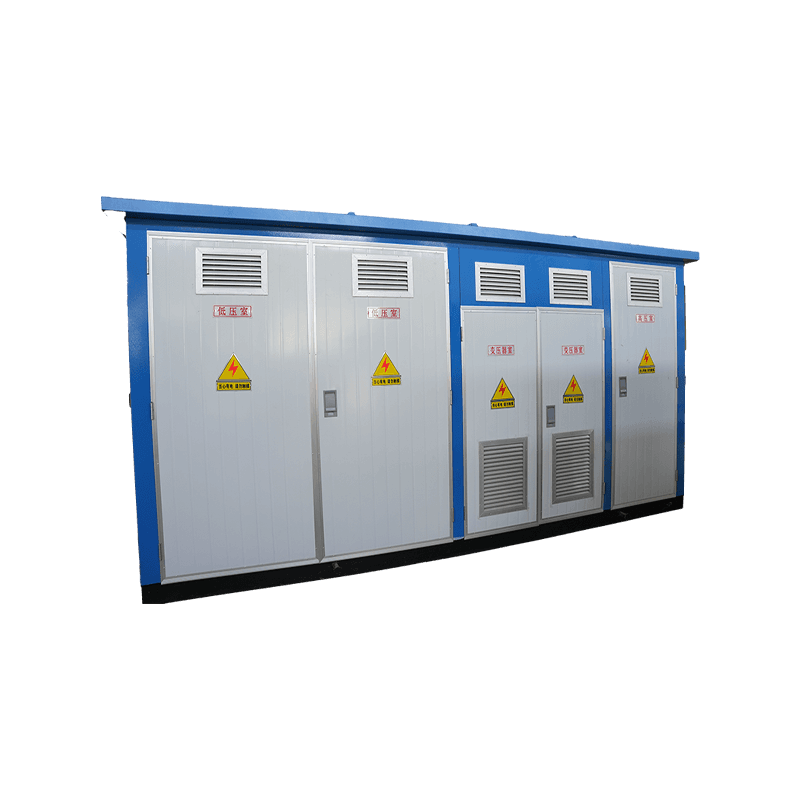
Product overview: YB-type high-voltage/low-voltage pre-installed substation is a compact complete set of power distribution equipment that integrates ...
See Details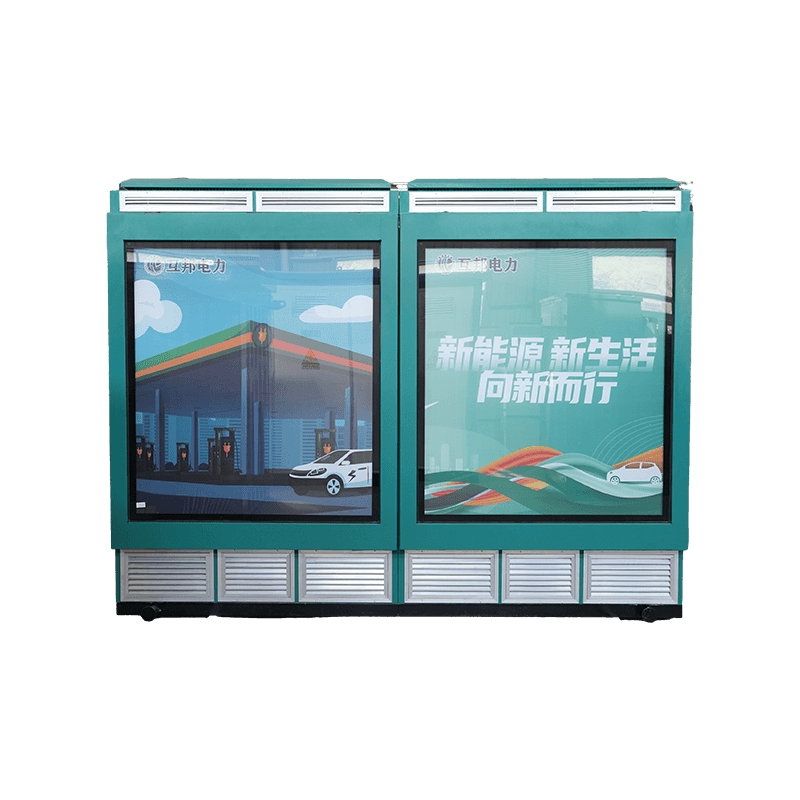
Product overview:Semi-buried box substation (barrel weight semi-buried box transformer) is a new generation of box-type transformer newly developed on...
See Details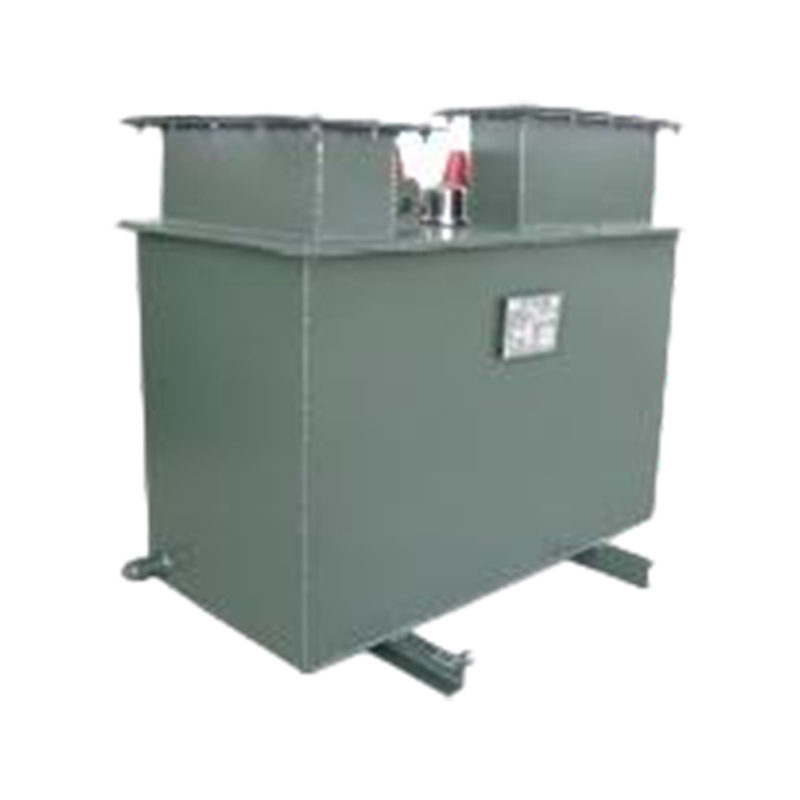
Product Overview: Underground transformer: a distribution transformer or combined transformer that can be installed in a pit. It is generally installe...
See DetailsRequest for a call today






Contact Us