



 English
 中文简体
中文简体 русский
 Español
 عربى
عربىCat:American-Style Box Substation
Product Overview: ZGS series combined transformer is a series of products developed according to the needs of urban multi-grid construction and develo...
See DetailsCore Technical Conclusion: Selecting between distribution architectures requires matching thermal dissipation demands against physical installation constraints. Deploying an oil-immersed transformer delivers significantly higher dielectric strength, lower load losses, and extended asset longevity (35 to 45+ years) at high capacity thresholds (>2,500 kVA). The superior thermal heat capacity of liquid dielectrics allows oil-immersed units to handle sustained overloads while maintaining lower core and winding temperatures compared to air-cooled dry-type alternatives. However, for indoor applications where fire codes forbid flammable liquids, dry-type cast-resin units present an acceptable alternative despite their higher energy losses and shorter operational life.
Electrical power distribution infrastructure depends on transformers to step up or step down voltage levels efficiently. The primary mechanical distinction across high-power distribution equipment lies in the insulation and heat-transfer medium surrounding the core-and-coil assembly. An oil-immersed transformer submerges high-grade silicon steel laminations and copper/aluminum windings inside a hermetically sealed or conservator-equipped tank filled with dielectric fluid.
Liquid dielectric media—traditionally highly refined mineral oil, or modern natural/synthetic ester fluids—serve a dual purpose. The fluid provides high basic impulse level (BIL) electrical insulation while circulating through internal winding ducts via thermosiphon convection or forced pumping to transfer heat to external radiator panels. In contrast, dry-type transformers encapsulate windings in vacuum-pressure impregnated (VPI) resin or cast epoxy, relying on air movement for convection cooling. Because air has a substantially lower heat transfer coefficient than liquid, dry-type units operate at elevated internal temperatures, which accelerates thermal insulation degradation under heavy loads.
For utility engineers, plant directors, and electrical contractors, evaluating transformer performance requires analyzing dielectric stress limits, thermal margins, operating losses, and life-cycle economics. The matrix below details key engineering benchmarks comparing liquid-immersed systems against solid-dielectric air-cooled alternatives.
| Engineering Specification | Oil-Immersed Transformer (Mineral/Ester) | Dry-Type Cast-Resin Transformer |
| Thermal Dissipation Efficiency | Superior (Fluid convection with external radiators) | Moderate (Air convection dependent on ambient temp) |
| Operating Efficiency under High Load | Higher efficiency (Lower load losses / copper losses) | Slightly lower efficiency (Higher load losses at >70% load) |
| Expected Asset Service Life | 35 – 45+ Years (With fluid maintenance) | 20 – 30 Years (Resin degradation over time) |
| Overload Capability | High short-term overload margin without rapid insulation wear | Limited overload margin; sensitive to ambient heat spikes |
| Audible Operating Noise Level | Low (Fluid deadens internal core magnetostriction vibration) | Higher by 5 to 10 dB(A) (Resonates through enclosure) |
| Basic Impulse Insulation Level (BIL) | High (Exceeds 150 kV to 200+ kV BIL ratings easily) | Moderate (Requires extra surge suppression for high BIL) |
| Fire Safety & Civil Requirements | Requires oil containment pit, fire barrier walls outdoors | Self-extinguishing resin; low civil construction footprint |
The Total Cost of Ownership (TCO) of electrical distribution hardware is dominated by operational energy losses rather than initial purchase price. Electrical losses inside transformers fall into two categories: no-load losses (core losses driven by magnetizing the steel core continuously) and load losses (copper losses driven by winding resistance, proportional to the square of the current).
Because liquid coolants remove heat rapidly, an oil-immersed transformer can be engineered with tighter winding configurations and optimal conductor cross-sections, resulting in lower copper losses at full operating capacity. Over a 30-year operational life, the energy savings yielded by an oil-immersed transformer easily offset the costs of routine fluid sampling and preventive maintenance.
In a continuous industrial manufacturing installation running a 1,500 kVA unit at 75% average load factor over 30 years, a high-efficiency oil-immersed transformer reduces electrical load losses by an average of 2.8 kW per hour compared to a standard cast-resin dry unit. At an industrial energy rate of $0.10 per kWh, this loss reduction yields approximately $2,450 in direct electrical cost savings annually—accumulating over $73,500 in lifetime energy savings. This margin far exceeds the cumulative cost of routine oil filtration and dissolved gas analysis (DGA) testing.
Historically, one of the primary drawbacks of specifying an oil-immersed transformer was the flammability of traditional mineral oil, which requires concrete containment bunds and fire suppression systems. However, modern transformer engineering has been transformed by synthetic and natural ester dielectrics (derived from vegetable seed oils).
Ester-filled liquid transformers deliver exceptional safety and environmental advantages:
To achieve maximum operational reliability and avoid unplanned power interruptions, modern oil-immersed transformer installations integrate real-time diagnostic technologies. Dissolved Gas Analysis (DGA) is the premier predictive maintenance tool for liquid-filled transformers.
When electrical or thermal stresses occur inside the transformer—such as partial discharge, localized overheating, or arcing—the dielectric fluid molecules decompose, generating trace hydrocarbon gases (hydrogen, methane, acetylene, ethylene, and ethane). Online DGA monitors sample the oil continuously, measuring gas concentrations in parts per million (ppm). Advanced algorithms analyze these gas ratios to detect incipient insulation breakdown, winding hot spots, or tap-changer contact wear months before a catastrophic failure occurs.
Key monitoring systems integrated into modern units include:
Choosing between transformer configurations requires balancing safety codes, total life-cycle costs, capital expenditure budgets, and environmental factors. Industrial buyers and utility engineers should use the decision framework below during project design.
Specify an Oil-Immersed Transformer when:
Specify a Dry-Type Cast-Resin Transformer when:
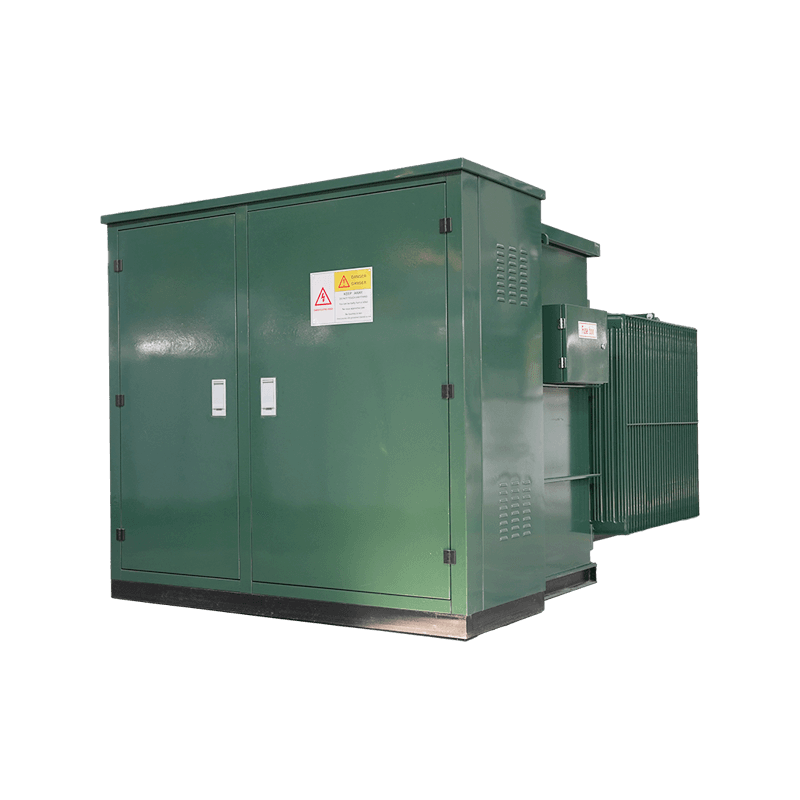
Product Overview: ZGS series combined transformer is a series of products developed according to the needs of urban multi-grid construction and develo...
See Details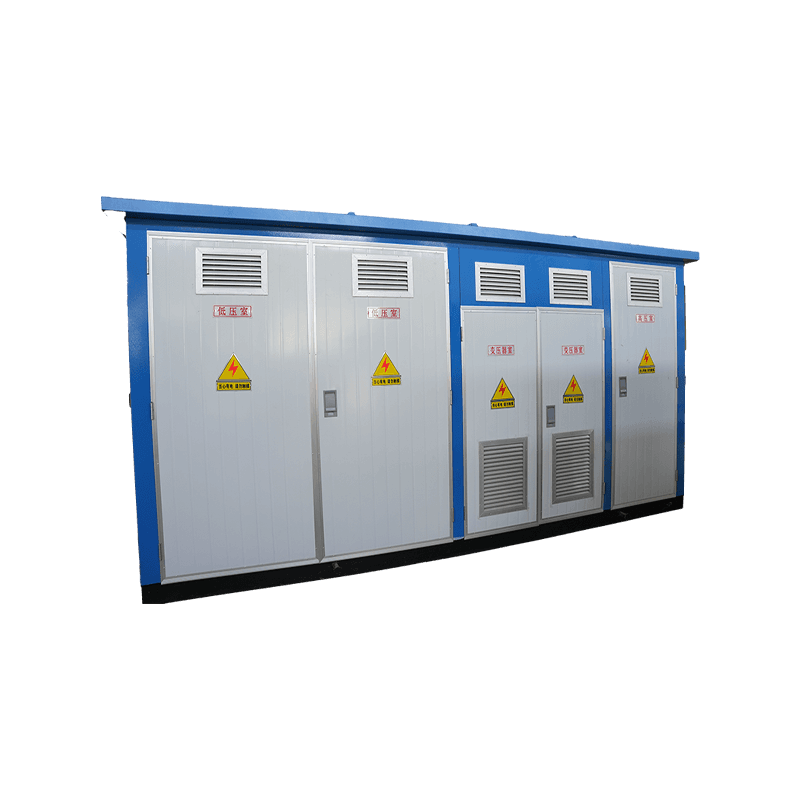
Product overview: YB-type high-voltage/low-voltage pre-installed substation is a compact complete set of power distribution equipment that integrates ...
See Details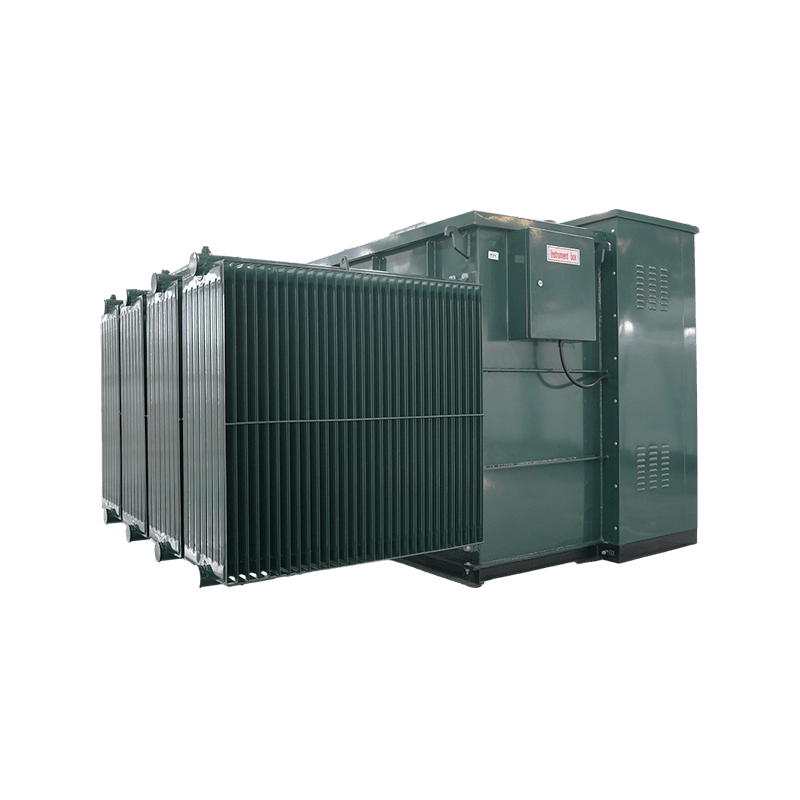
Product Overview: ZGS series combined transformer is a series of products developed according to the needs of urban multi-grid construction and develo...
See Details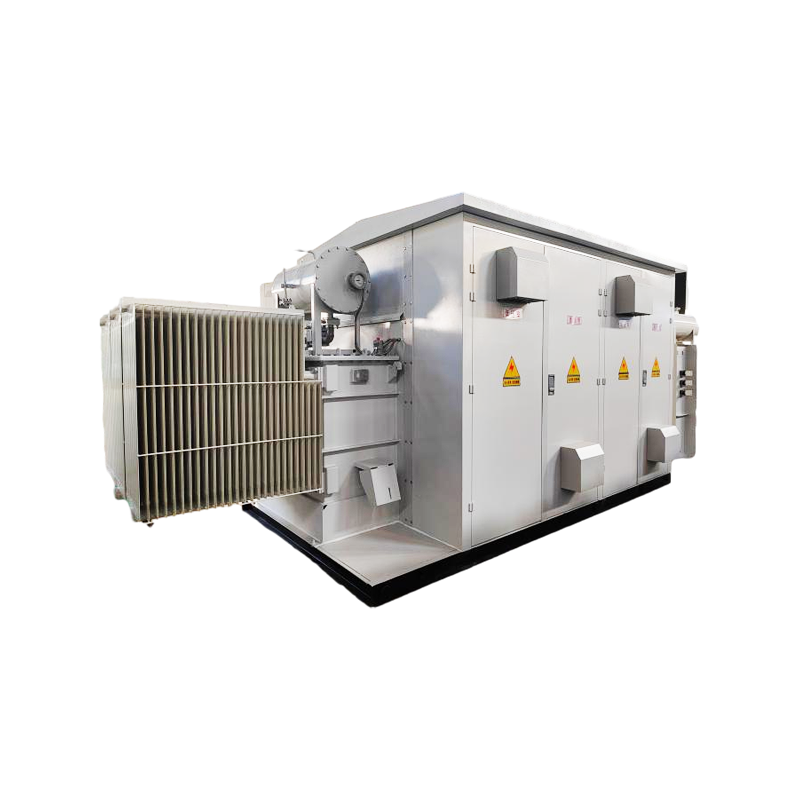
An energy storage box substation is a substation that integrates a traditional substation and energy storage system in a box. It is mainly composed of...
See Details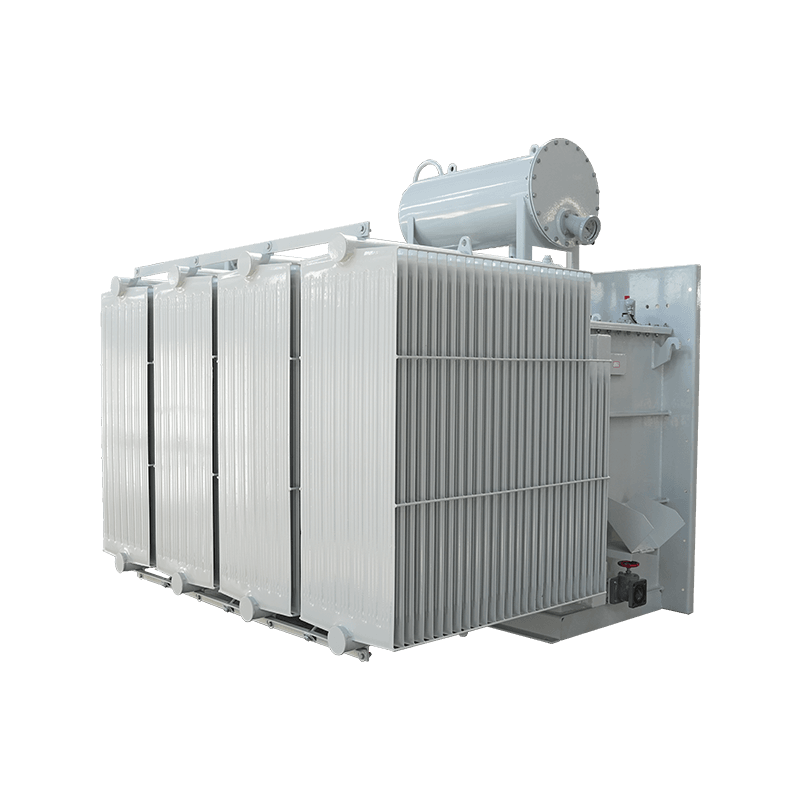
Product overview: Product ZGS series new energy combined transformer is to meet the growing requirements of photovoltaic power supply, our company in ...
See DetailsRequest for a call today






Contact Us