



 English
 中文简体
中文简体 русский
 Español
 عربى
عربىCat:American-Style Box Substation
Product Overview: ZGS series combined transformer is a series of products developed according to the needs of urban multi-grid construction and develo...
See DetailsA box type transformer is the better choice over a conventional substation whenever site space is limited, installation timelines are tight, or the load is distributed across a residential, commercial, or light industrial area rather than a single heavy industrial facility. It typically cuts footprint requirements by 50-70% and reduces installation time from several weeks to a few days. Conventional substations still make more sense for very high capacity loads above roughly 5 MVA where long-term expansion flexibility matters more than compactness.
A box type transformer combines the transformer, high-voltage switchgear, low-voltage distribution panel, and protection devices into a single prefabricated enclosure, usually built from steel or reinforced concrete panels and assembled at the factory before shipping. A conventional substation, by contrast, is built on-site as separate structures — a transformer yard, a switchgear room, and a control building — connected by cabling and busbar work done in the field.
This structural difference cascades into almost every practical comparison that follows: space, cost, installation speed, and even how the equipment handles weather exposure.
| Feature | Box type transformer | Conventional substation |
| Construction approach | Prefabricated, factory-assembled | Built on-site, field-assembled |
| Typical footprint | 50-70% smaller for equivalent capacity | Larger, requires separate rooms/yards |
| Installation timeline | 3-7 days after site prep | 4-10 weeks depending on scope |
| Capacity range typically used | Up to roughly 2.5-5 MVA | 5 MVA and above, no practical upper limit |
Space is usually the deciding factor for urban and suburban projects. A box type transformer rated around 1,000 kVA typically occupies 15-25 square meters including clearance zones, while an equivalent conventional substation with a separate transformer yard and switchgear room commonly needs 40-60 square meters once safety clearances and access roads are factored in.
Site preparation is lighter too. Box type units generally need a level concrete pad and basic drainage, while conventional substations often require foundation work for multiple structures, cable trenching between buildings, and sometimes a dedicated access road for maintenance vehicles.
Because a box type transformer arrives largely pre-wired and factory-tested, on-site work is mostly limited to placement, foundation connection, and cable termination. A typical 1,000 kVA unit can be commissioned within three to seven days of arriving on site, assuming the pad and incoming cables are ready.
A conventional substation of similar capacity generally takes four to ten weeks from groundbreaking to energization, since switchgear installation, busbar connections, and control wiring all happen in the field where weather delays and coordination between multiple trades slow things down. For projects where a facility can't operate without power — a new retail development or a manufacturing line expansion — this difference in timeline often outweighs any cost savings a conventional build might offer.
| Project phase | Box type transformer | Conventional substation |
| Factory manufacturing and testing | 4-8 weeks before shipment | Equipment ordered separately, longer lead times |
| Site foundation work | 1-3 days | 1-3 weeks |
| On-site assembly and wiring | 2-5 days | 3-6 weeks |
| Testing and commissioning | 1-2 days | 1-2 weeks |
Upfront pricing for a box type transformer is often 10-20% higher per kVA than a conventional substation's raw equipment cost, since the prefabricated enclosure and factory integration add manufacturing cost. But once civil works, labor, and project management are included, the total installed cost frequently comes out lower for box type units, particularly for capacities under 2 MVA.
A mid-sized commercial project needing a 1,250 kVA substation illustrates this well. Civil and structural work for a conventional build can run 25-35% of total project cost, while the same work for a box type installation — just a pad and drainage — typically runs under 10%. The narrower civil scope usually offsets the higher unit price of the transformer itself.
Conventional substations generally offer easier access for maintenance since switchgear, protection relays, and the transformer sit in separate, walk-in spaces designed for technician movement. Box type transformers, by design, pack components tightly, which can make certain repairs — particularly on the low-voltage panel or protection relays — slower since technicians work in a more confined enclosure.
That said, box type units typically need less routine maintenance overall because the sealed enclosure protects internal components from dust, moisture, and pest intrusion better than an open substation yard. Facilities in coastal or high-humidity regions often report fewer corrosion-related issues with enclosed box type units compared to open-air conventional yards over a five-year period.
Box type transformers are practical up to roughly 2.5-5 MVA depending on manufacturer and enclosure size, beyond which the compact form factor starts working against cooling efficiency and physical component spacing. Conventional substations don't face this ceiling in the same way, since separate buildings can be sized to whatever capacity the load requires, making them the more natural fit for heavy industrial facilities, large manufacturing plants, or utility-scale distribution nodes.
Projects anticipating significant load growth over the next decade should weigh this carefully. Expanding a conventional substation generally means adding capacity within an already-planned yard, while expanding beyond a box type transformer's rated capacity usually means replacing the entire unit rather than upgrading it incrementally.
| Load scenario | Better-suited option | Reasoning |
| Residential subdivision distribution | Box type transformer | Compact, fast to deploy across multiple points |
| Commercial building or retail complex | Box type transformer | Limited space, moderate and stable load |
| Heavy manufacturing plant | Conventional substation | High capacity with room for future expansion |
| Utility-scale grid substation | Conventional substation | No practical capacity ceiling, easier long-term scaling |
Enclosed box type units handle exposure to rain, dust, and salt air noticeably better than open conventional substations, since the sealed housing limits direct contact between the elements and internal components. Facilities near coastlines or in regions with heavy seasonal rainfall often see measurably fewer weather-related faults with enclosed units over open-yard equivalents.
Conventional substations depend more heavily on protective coatings, drainage design, and periodic corrosion inspection to maintain the same level of reliability, which adds to ongoing maintenance budgets in harsher climates even if the initial installation cost was lower.
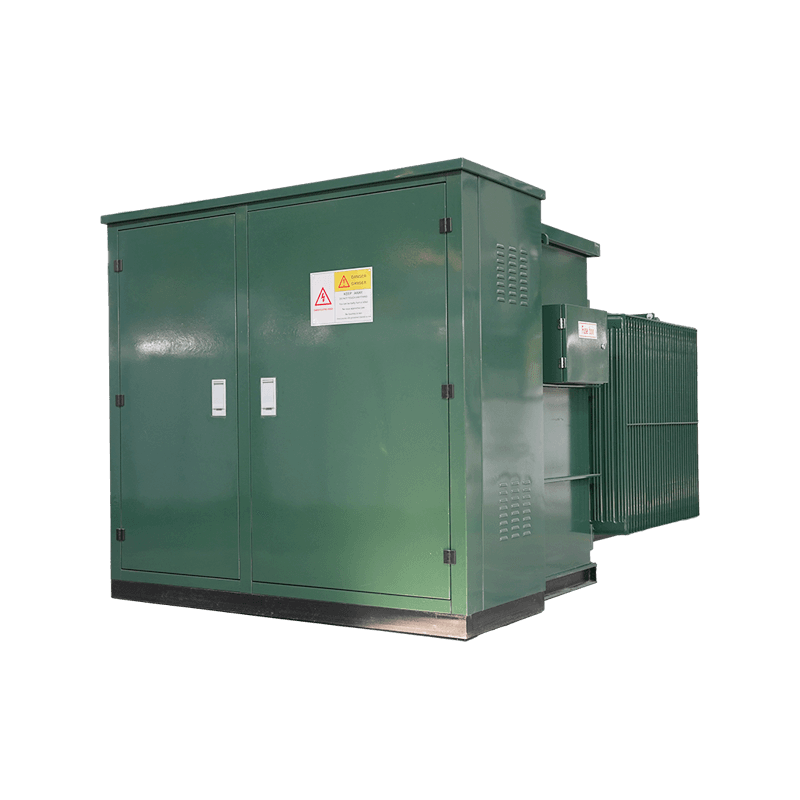
Product Overview: ZGS series combined transformer is a series of products developed according to the needs of urban multi-grid construction and develo...
See Details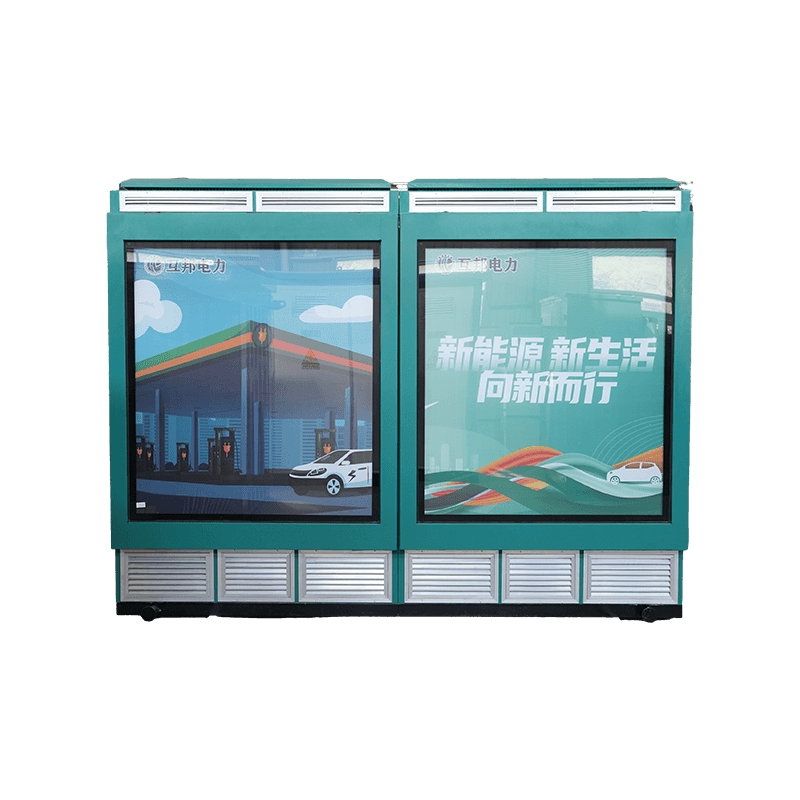
Product overview:Semi-buried box substation (barrel weight semi-buried box transformer) is a new generation of box-type transformer newly developed on...
See Details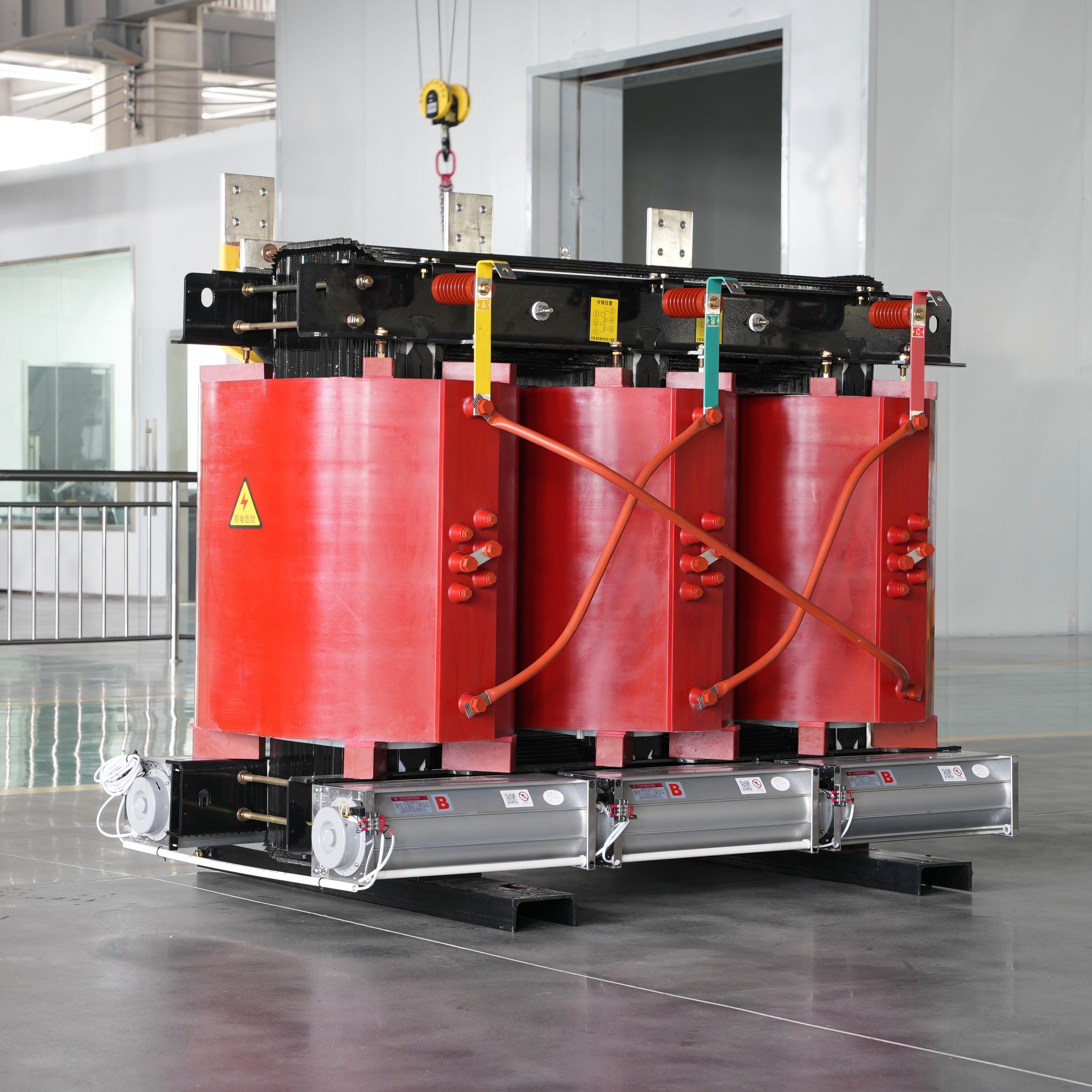
SC (B) series products are epoxy-cast non-excited voltage regulating dry transformers; This type is made of F-grade epoxy resin mixture with filler, a...
See Details
Product overview: Pipe corridor transformer is the abbreviation of "urban underground pipeline comprehensive corridor", that is, the construction of a...
See Details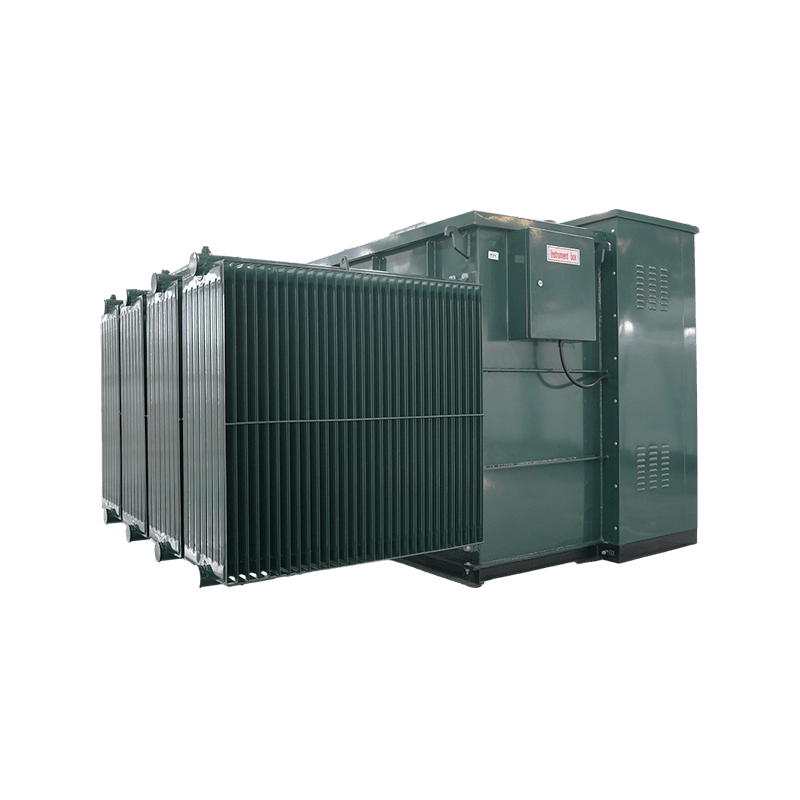
Product Overview: ZGS series combined transformer is a series of products developed according to the needs of urban multi-grid construction and develo...
See Details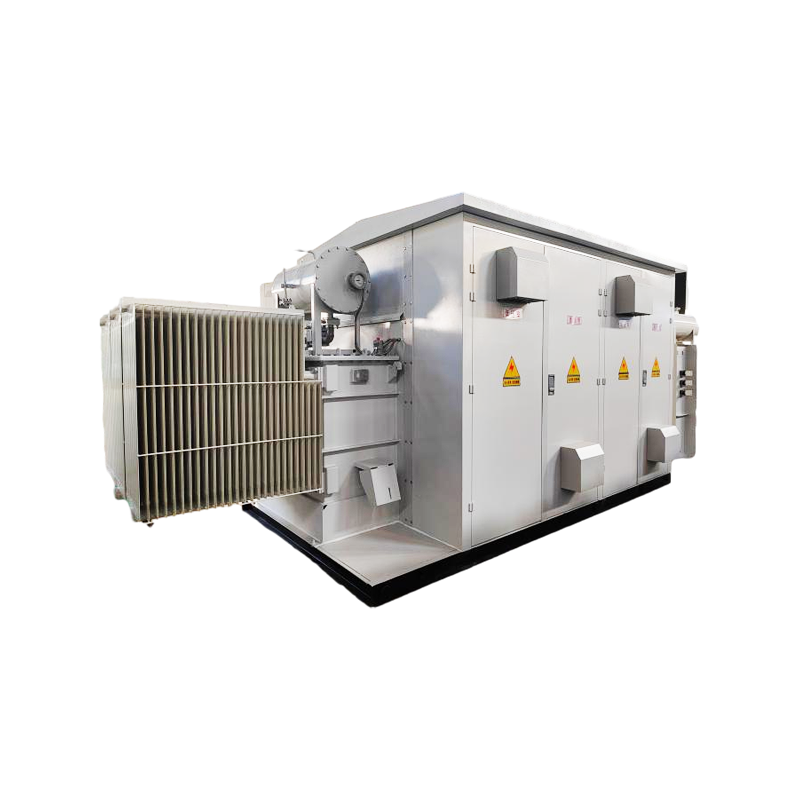
An energy storage box substation is a substation that integrates a traditional substation and energy storage system in a box. It is mainly composed of...
See DetailsRequest for a call today




Contact Us