



 English
 中文简体
中文简体 русский
 Español
 عربى
عربىCat:Underground Box Substation
Product overview:Semi-buried box substation (barrel weight semi-buried box transformer) is a new generation of box-type transformer newly developed on...
See DetailsA conventional substation is assembled from individually installed components: a standalone transformer, separate high-voltage switchgear housed in its own structure, and a distribution panel wired together on-site by an installation crew. Each component requires its own foundation, weatherproofing, and connection work, which extends both the installation timeline and the physical footprint required.
A box type transformer consolidates all of these components into a factory-assembled, pre-wired enclosure. The manufacturer tests the internal connections before shipping, so on-site work is largely limited to positioning the unit, connecting incoming and outgoing cables, and commissioning, rather than building each subsystem from scratch.
| Factor | Box Type Transformer | Conventional Substation |
| Typical footprint for equivalent capacity | 40 to 60% smaller | Baseline, larger due to separate structures |
| Installation time | Days, often 3 to 7 | Weeks to months depending on scope |
| Site preparation required | Minimal, mainly a level foundation pad | Extensive, including separate foundations per component |
| Relocation feasibility | Possible with crane and transport | Not practical once built |
Urban substations in dense commercial districts or industrial parks with limited available land frequently choose box type units specifically because the compact footprint allows installation in spaces that couldn't accommodate a conventional substation layout at all.
Houses incoming switchgear, fuses, and disconnect switches, isolated from other chambers for safety and to simplify maintenance access.
Contains the transformer core and windings, often oil-filled or dry-type depending on the application and local fire safety codes.
Houses the distribution panel, metering, and outgoing feeder connections for downstream power distribution.
This three-chamber separation is a standard design feature that allows maintenance personnel to safely access the low-voltage panel without exposure to high-voltage components, since each chamber is independently sealed and typically interlocked to prevent access during live operation.
| Type | Cooling Method | Fire Risk | Common Application |
| Oil-filled | Mineral oil circulation | Higher, requires containment and fire barriers | Outdoor installations, utility distribution |
| Dry-type | Air natural or air forced cooling | Lower, no flammable liquid present | Indoor or space-restricted urban sites |
Because box type transformers are often placed closer to occupied buildings or within pedestrian areas than conventional substations, dry-type units are frequently specified for these installations specifically to reduce fire risk and eliminate the need for oil containment infrastructure.
The single biggest practical advantage of a box type transformer is installation speed, driven by factory prefabrication. A conventional substation build typically involves sequential stages: civil foundation work, individual equipment delivery, on-site assembly, internal wiring, and testing, each of which depends on the previous stage being completed.
Conventional substations, being built from separately accessible components, often allow easier access for major component replacement, since technicians aren't constrained by a compact enclosure. Box type transformers trade some of this flexibility for compactness, meaning major internal component replacement can require more careful planning around the enclosure's access panels and internal clearances.
| Cost Factor | Box Type Transformer | Conventional Substation |
| Upfront equipment cost | Higher per unit due to factory integration | Lower per individual component |
| Installation labor cost | Significantly lower | Higher due to extended on-site labor |
| Civil works cost | Minimal, single foundation pad | Higher, multiple foundations and structures |
| Total installed cost | Often lower overall for equivalent capacity | Can exceed box type total cost once labor and civil works are included |
Even though the equipment itself carries a higher sticker price, the reduction in labor and civil construction costs frequently makes the total installed cost of a box type transformer comparable to or lower than a conventional substation of equivalent capacity, particularly on projects where site access or space constraints would otherwise drive up conventional installation costs.
The decision often comes down to a handful of practical project factors rather than capacity alone.
Space is limited, installation timeline is tight, or the site is temporary or subject to future relocation needs.
The project involves very high capacity requirements, extensive future expansion plans, or a location where component-level accessibility for major repairs is a priority.
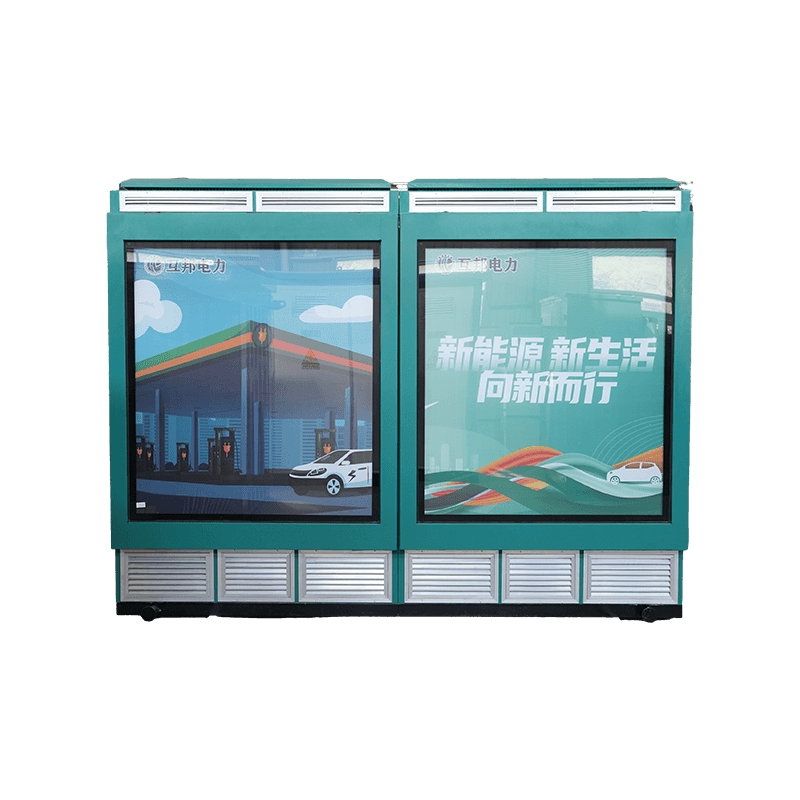
Product overview:Semi-buried box substation (barrel weight semi-buried box transformer) is a new generation of box-type transformer newly developed on...
See Details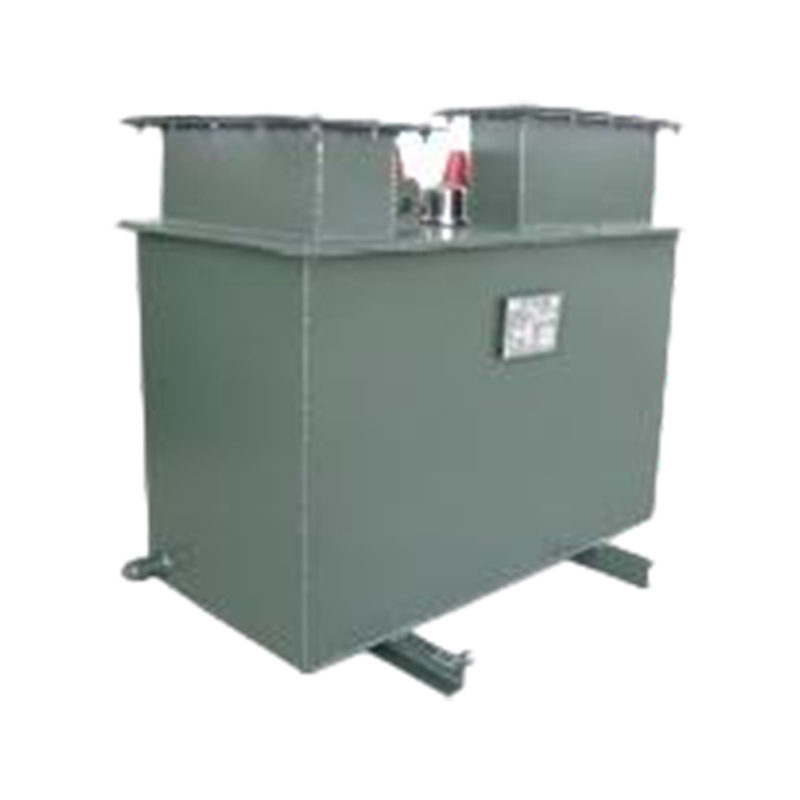
Product Overview: Underground transformer: a distribution transformer or combined transformer that can be installed in a pit. It is generally installe...
See Details
Product overview: Pipe corridor transformer is the abbreviation of "urban underground pipeline comprehensive corridor", that is, the construction of a...
See DetailsRequest for a call today




Contact Us