



 English
 中文简体
中文简体 русский
 Español
 عربى
عربىCat:Underground Box Substation
Product overview:Semi-buried box substation (barrel weight semi-buried box transformer) is a new generation of box-type transformer newly developed on...
See DetailsIf you have been following the energy industry lately, you will notice one clear trend: power grids are changing fast. More solar farms, more wind power, more electric vehicles, and more distributed energy systems are appearing everywhere.
And behind all of that, a new type of transformer is quietly becoming a big deal. People call it a new energy transformer, and it is not just a regular transformer with a different name. It is designed for the new energy world, and that is why it matters.
So what is a new energy transformer, why is it important, and what should manufacturers and buyers pay attention to? Let us break it down in simple terms.
A new energy transformer is a transformer designed to work with renewable energy systems like solar power plants, wind farms, energy storage systems, and electric vehicle charging stations.
Compared to traditional transformers, it often has better performance in handling unstable power sources, higher efficiency, and stronger ability to adapt to different operating conditions.
Because renewable energy is not the same as traditional power generation.
Traditional power plants deliver stable and predictable power. But solar and wind are intermittent. The output changes with weather, sunlight, and wind speed. This creates challenges for the power grid.
New energy transformers help solve these challenges by:
In short, they help renewable energy systems connect smoothly to the grid without causing instability.
New energy transformers are used in various renewable energy scenarios, such as:
They are becoming more common because the renewable energy market is growing rapidly, and grids need transformers that can keep up.
At the basic level, transformers work by using magnetic induction to change voltage levels. But new energy transformers are designed to handle modern power systems better.
New energy transformers often use advanced core materials and optimized winding design to reduce energy loss and improve efficiency.
Because renewable energy systems may operate at variable loads, the transformer needs a strong cooling system to prevent overheating.
They often include better voltage regulation to handle fluctuating input from renewable sources and keep output stable.
Many new energy transformers include digital monitoring systems for real-time data, which helps operators detect issues early and maintain stable operation.
So the key difference is not just the transformer itself, but how it adapts to modern energy systems.
New energy transformers bring many benefits, but there are trade-offs to consider.
So the decision is not just about price. It is about long-term stability, efficiency, and grid performance.
From customer feedback and real market demand, these factors matter most when choosing or producing new energy transformers:
Customers want transformers that reduce energy loss and improve overall system efficiency. High efficiency is a major selling point.
Because renewable sources are unstable, good voltage regulation is essential. This is one of the main differences between new energy transformers and traditional ones.
Transformers must operate reliably for long periods under changing loads. Durability and stability are critical.
Digital monitoring systems help detect problems early and reduce downtime. Customers want clear data and easy maintenance.
New energy transformers must meet industry standards and safety requirements. This is especially important for grid-connected systems.
New energy transformers are not just a product trend. They are a necessary upgrade for modern power systems.
As renewable energy grows, the demand for transformers that can handle fluctuating power and provide stable grid connection will continue to rise.
For manufacturers, the opportunity is clear: build products that focus on efficiency, stability, and smart monitoring. When these features come together, new energy transformers become a key part of the future power grid.
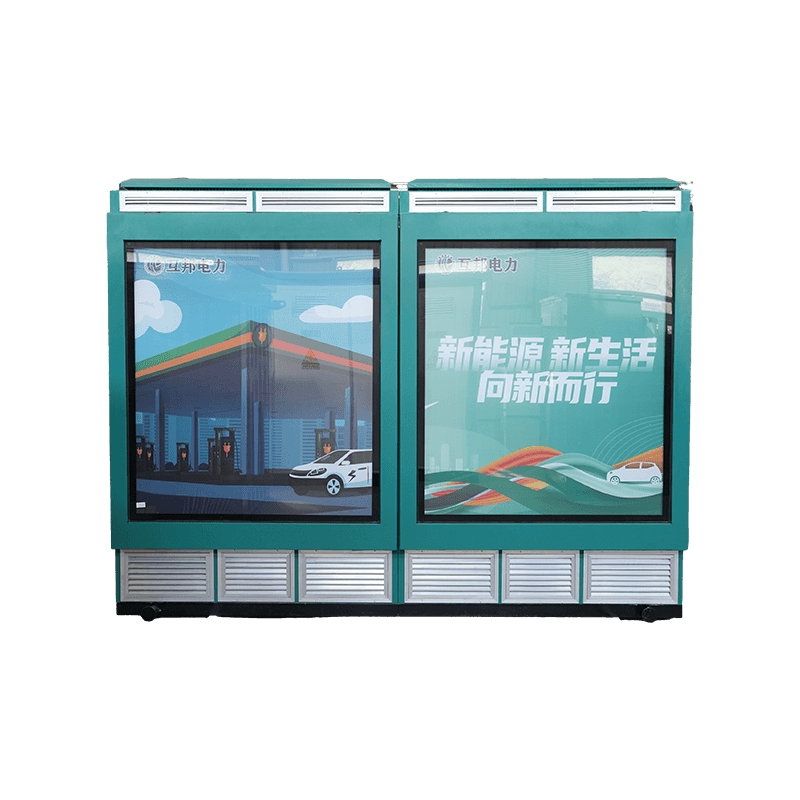
Product overview:Semi-buried box substation (barrel weight semi-buried box transformer) is a new generation of box-type transformer newly developed on...
See Details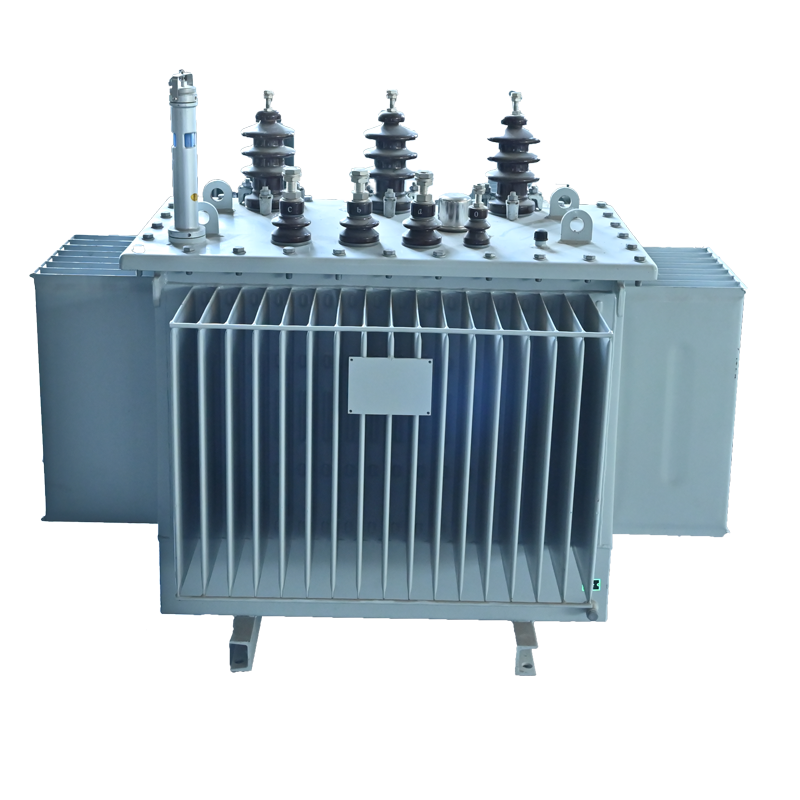
Product Overview: The S22-M iron core is made of high-quality cold-rolled silicon steel sheet, the domestic advanced cross shear line, small shear bur...
See Details
Product Overview: Underground transformer: a distribution transformer or combined transformer that can be installed in a pit. It is generally installe...
See Details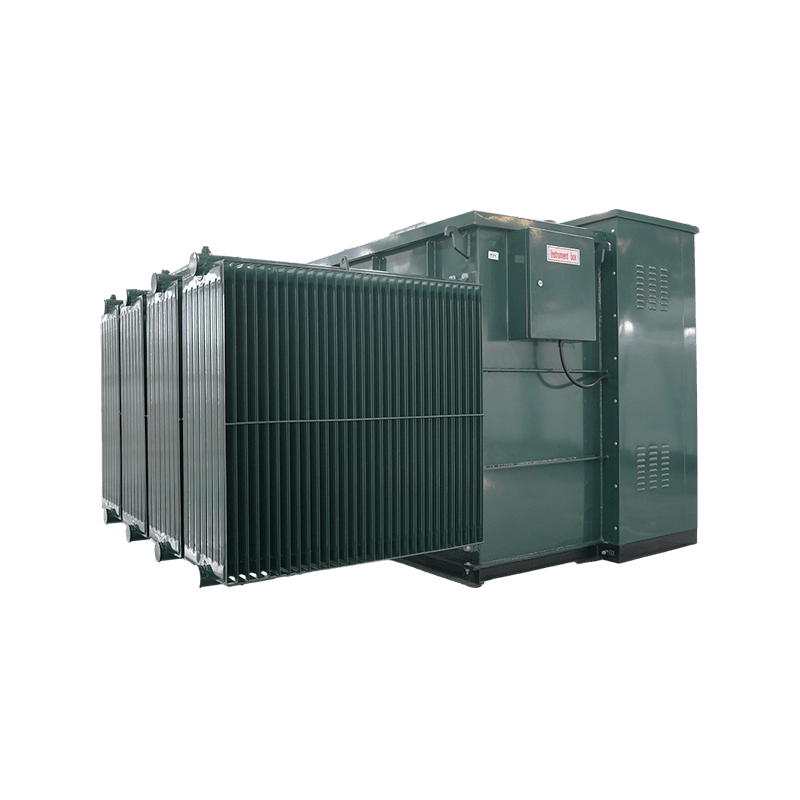
Product Overview: ZGS series combined transformer is a series of products developed according to the needs of urban multi-grid construction and develo...
See Details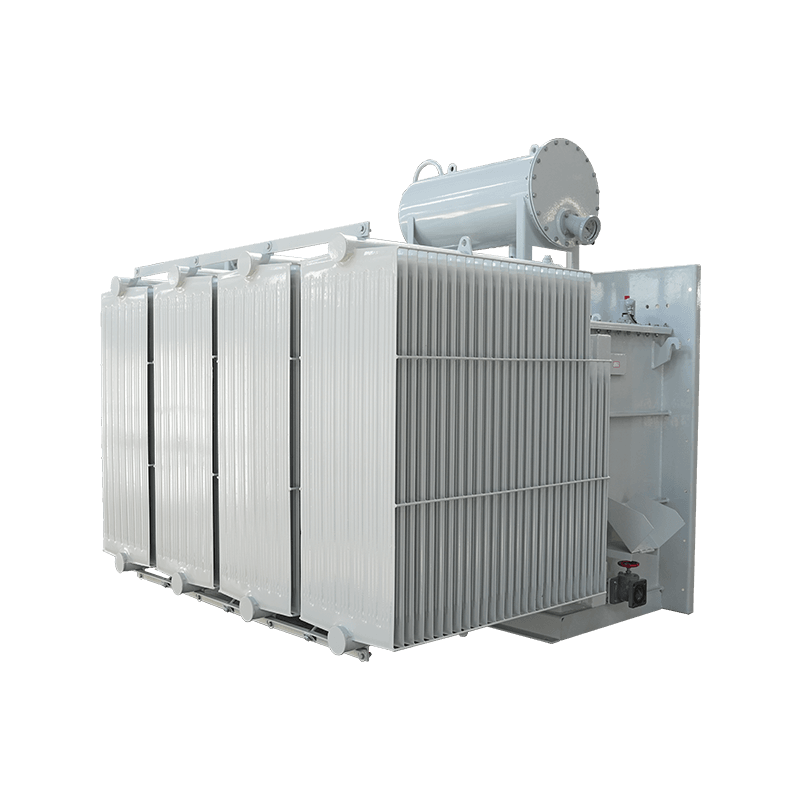
Product overview: Product ZGS series new energy combined transformer is to meet the growing requirements of photovoltaic power supply, our company in ...
See DetailsRequest for a call today






Contact Us