



 English
 中文简体
中文简体 русский
 Español
 عربى
عربىCat:European-Style Box Substation
Product overview: YB-type high-voltage/low-voltage pre-installed substation is a compact complete set of power distribution equipment that integrates ...
See DetailsBox-type transformers are compact and efficient electrical devices used to step down high voltage from power sources to levels that are suitable for various applications. They are typically housed in a robust metal enclosure, often referred to as a "box," which provides protection against environmental factors such as dust, water, and physical damage. Due to their design, box-type transformers are often more versatile and easier to maintain compared to traditional transformer designs. Their ability to operate reliably in different environments makes them highly suitable for a variety of industrial, commercial, and residential applications.
One of the most common applications for box-type transformers is in power distribution networks. These transformers are crucial for stepping down the voltage from the high-voltage transmission lines to the medium and low voltage levels needed for distribution to homes, businesses, and other end-users. The compact and weather-resistant design of the box-type transformer makes it particularly well-suited for outdoor installations, often placed on utility poles or in ground-mounted enclosures.
In urban and rural areas alike, box-type transformers are used to distribute electricity safely and efficiently. Their robust construction ensures that they can withstand varying environmental conditions, such as extreme temperatures, rain, and wind, making them a preferred choice for both urban and remote locations. Moreover, their enclosed design prevents unauthorized access, ensuring that the transformer remains secure and safe for the public and maintenance personnel.
Box-type transformers are also extensively used in various industrial settings. Industries that require stable and reliable power for machinery, production lines, and equipment benefit greatly from the use of these transformers. Factories, manufacturing plants, and chemical processing facilities often need specialized electrical equipment that can handle higher power loads and operate continuously without interruption. Box-type transformers provide the necessary voltage adjustments to ensure that all machinery and systems receive the appropriate power supply for efficient operation.
In industrial environments, where space is often limited and safety is a top priority, box-type transformers offer a compact and secure solution. They can be placed in areas that require minimal space while still providing effective power distribution. Additionally, the sealed enclosure protects the transformer from dust, moisture, and other contaminants that are common in industrial settings, thus reducing the need for frequent maintenance and enhancing the lifespan of the transformer.
With the rise of renewable energy sources such as solar and wind power, box-type transformers have found an important role in these systems. In solar power systems, for example, the output from solar panels is often in the form of low-voltage direct current (DC), which needs to be converted to alternating current (AC) and stepped up or stepped down to the appropriate voltage level for use in the electrical grid or within a building. Box-type transformers are used in the electrical circuit to achieve these voltage adjustments, ensuring that the power generated by the renewable energy source can be efficiently used or fed into the grid.
Similarly, in wind energy systems, box-type transformers help in converting the high-voltage electricity generated by wind turbines to a level that is safe for distribution and use. The durability of box-type transformers makes them suitable for outdoor installations in areas where renewable energy systems are often located, such as remote regions or fields with harsh weather conditions. Their resistance to environmental factors such as extreme temperatures, moisture, and debris ensures that these transformers continue to function effectively in challenging conditions.
Box-type transformers are also commonly used in commercial buildings, shopping malls, office complexes, and other large-scale structures. In such buildings, electricity demand is high, and the power needs to be distributed effectively to various systems, including lighting, heating, ventilation, and air conditioning (HVAC), as well as elevator systems and office equipment. A box-type transformer helps to step down the voltage from the local utility grid to the levels required for the building's internal electrical systems.
The compact nature of box-type transformers allows them to be installed in areas that do not take up excessive space, such as basements, mechanical rooms, or on the exterior of the building. Their sealed enclosures also provide safety benefits in commercial environments, as they protect the electrical components from potential hazards, such as water infiltration or accidental contact with electrical parts. For commercial buildings that have a high power demand, using a box-type transformer ensures a stable and reliable power supply while minimizing the risk of electrical issues.
Box-type transformers are frequently used at construction sites, where they provide temporary power supply solutions. Construction projects often require electricity for tools, lighting, and machinery, but the power needs at these sites can vary. A box-type transformer offers a reliable solution for stepping down the voltage from the main power supply to a level that is safe and suitable for use on site. These transformers are often portable, making them easy to move between different areas of the construction site as work progresses.
Additionally, construction sites are often exposed to challenging environmental conditions, including dust, rain, and fluctuating temperatures. The sealed design of the box-type transformer makes it ideal for these environments, as it provides protection against external elements, ensuring the transformer can operate efficiently in less-than-ideal conditions. The reliability and durability of these transformers are essential for maintaining a continuous power supply on construction sites, where electrical interruptions can delay work and increase costs.
Data centers and telecommunications facilities rely on a consistent and uninterrupted power supply to maintain their operations. Box-type transformers are commonly used in these environments to step down the high voltage power supplied by the utility grid to the levels required by sensitive equipment such as servers, routers, and communication devices. The high reliability of box-type transformers ensures that the power supply remains stable, reducing the risk of downtime and equipment failure.
These facilities are typically located in urban areas or near major communication hubs, and the transformers are often installed outside in weatherproof enclosures or in basements to save space inside the building. The protective features of box-type transformers make them ideal for installation in data centers, where equipment must be shielded from dust, moisture, and other environmental factors that could damage the sensitive electrical components inside the building.
With the increasing popularity of electric vehicles (EVs) and the need for charging infrastructure, box-type transformers are becoming more prevalent in the transportation sector. These transformers are used in EV charging stations to step down the voltage from the local utility grid to a level suitable for charging electric cars and buses. The high power demands of electric vehicle charging stations make the use of reliable transformers essential to ensure that the charging process is safe and efficient.
Box-type transformers used in these applications are often designed to be compact and robust, capable of withstanding outdoor conditions such as temperature fluctuations, rain, and dust. These transformers are typically installed in locations that are easily accessible to users, such as public charging stations, parking lots, and transportation hubs. The rugged construction of box-type transformers ensures that they continue to operate effectively in these dynamic environments, where power needs can fluctuate depending on the time of day and the number of vehicles being charged.
Box-type transformers offer a number of advantages that make them suitable for a wide range of industries and applications. One of the primary benefits is their compact design. Unlike traditional transformers that require large, open spaces for installation, box-type transformers can be installed in tight or confined spaces, making them ideal for use in urban environments, industrial plants, and residential settings. Their small footprint allows for efficient use of space without sacrificing performance.
Another advantage is their durability. Box-type transformers are typically housed in sealed metal enclosures that protect the internal components from environmental factors such as moisture, dust, and physical damage. This makes them highly suitable for outdoor installations and harsh industrial environments where traditional transformers might not be as reliable. The protective casing also helps to improve the safety of the transformer by preventing unauthorized access to the electrical components inside.
Additionally, box-type transformers are relatively easy to maintain. Their enclosed design minimizes the need for frequent cleaning or inspection, and any necessary maintenance can often be performed with minimal disruption to the surrounding environment. This makes them a cost-effective and low-maintenance option for applications that require continuous power distribution.
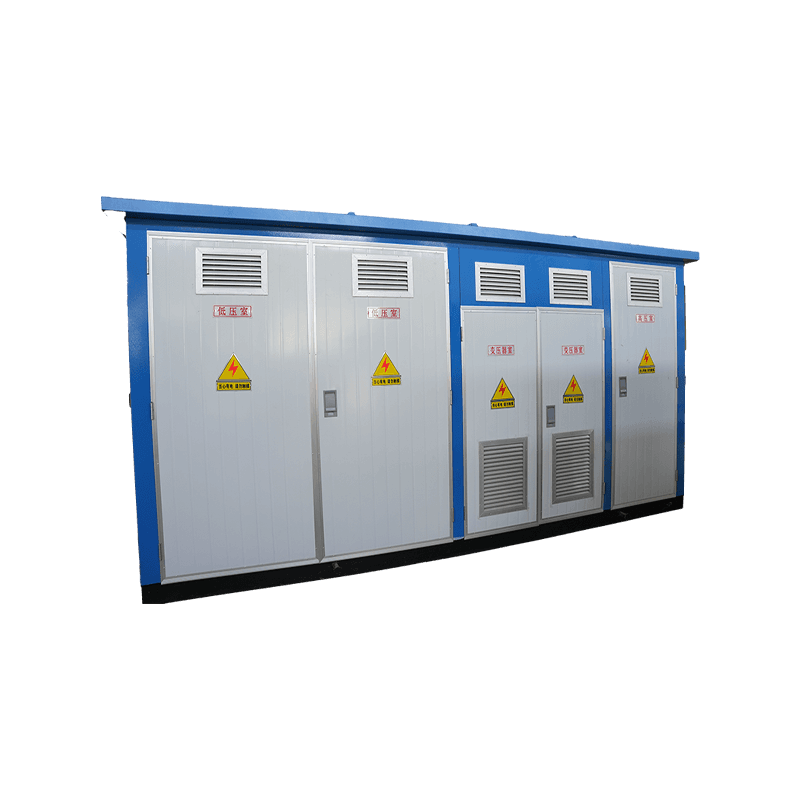
Product overview: YB-type high-voltage/low-voltage pre-installed substation is a compact complete set of power distribution equipment that integrates ...
See Details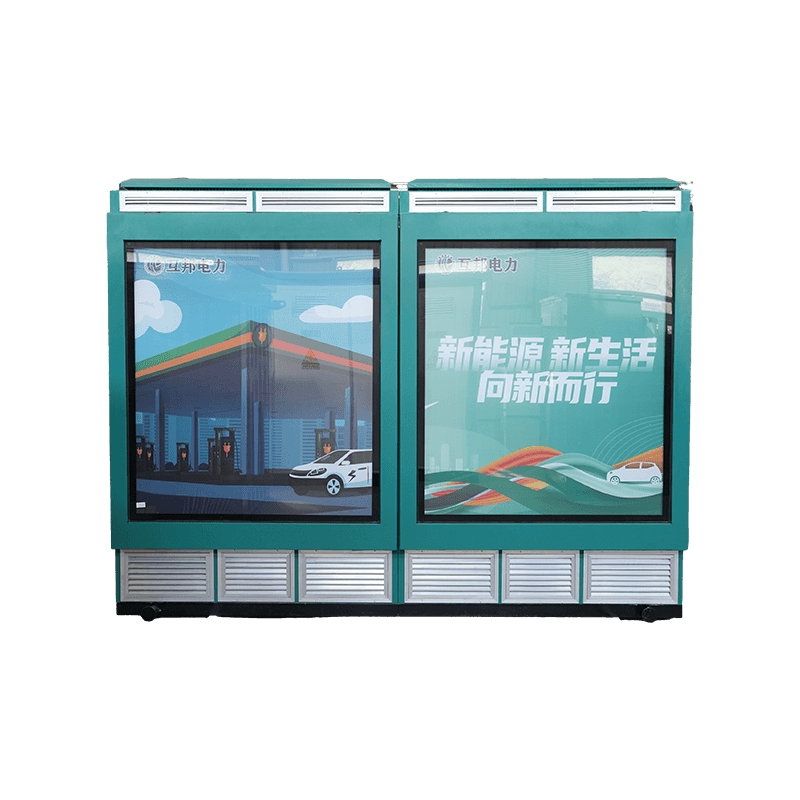
Product overview:Semi-buried box substation (barrel weight semi-buried box transformer) is a new generation of box-type transformer newly developed on...
See Details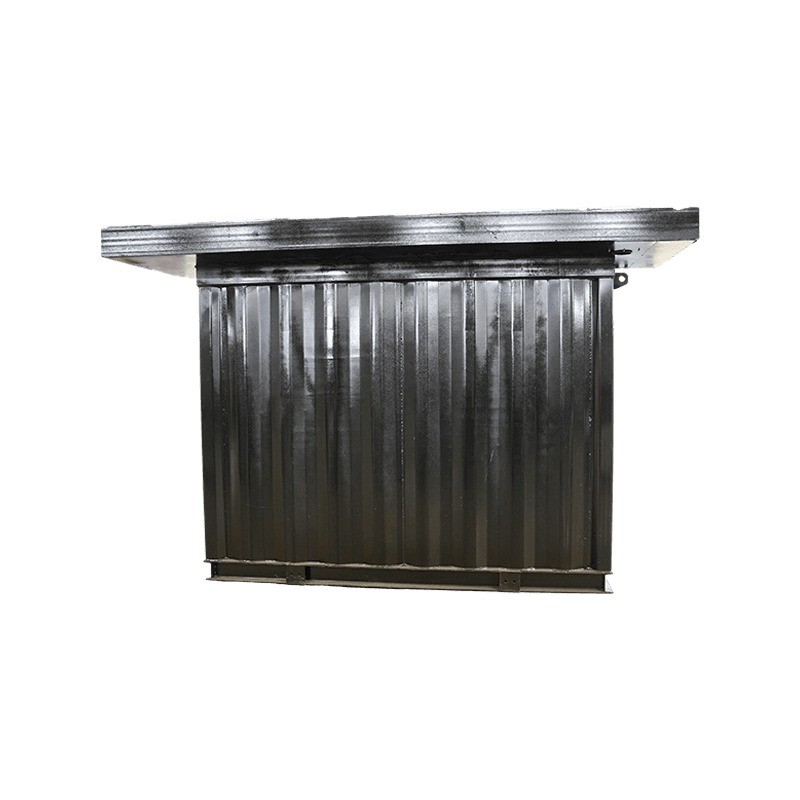
Product overview:All-buried box-type substation (referred to as all-buried box-type transformer) is a new generation of box-type transformer newly dev...
See Details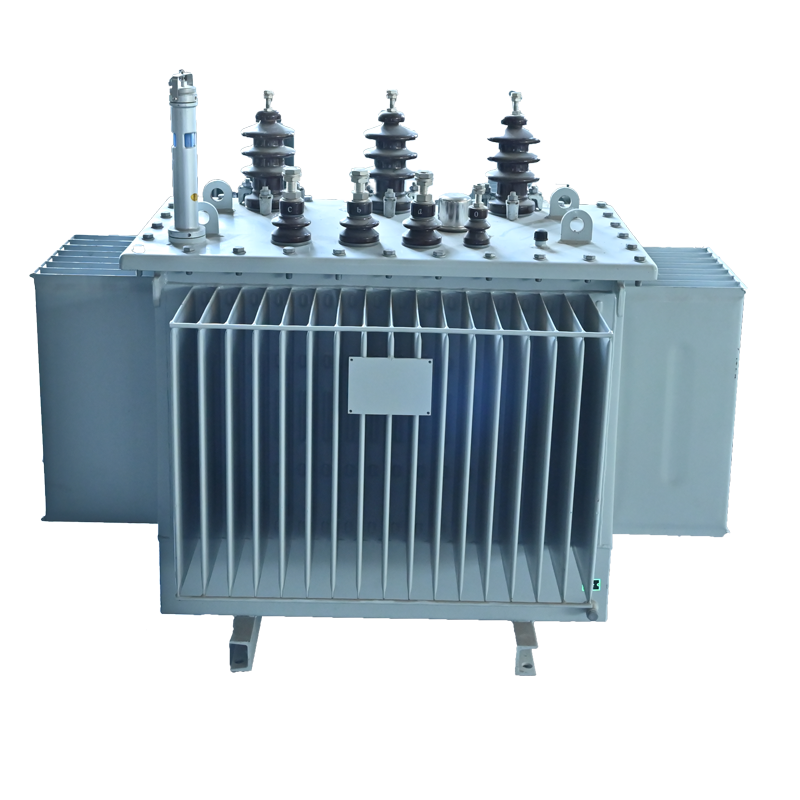
Product Overview: The S22-M iron core is made of high-quality cold-rolled silicon steel sheet, the domestic advanced cross shear line, small shear bur...
See Details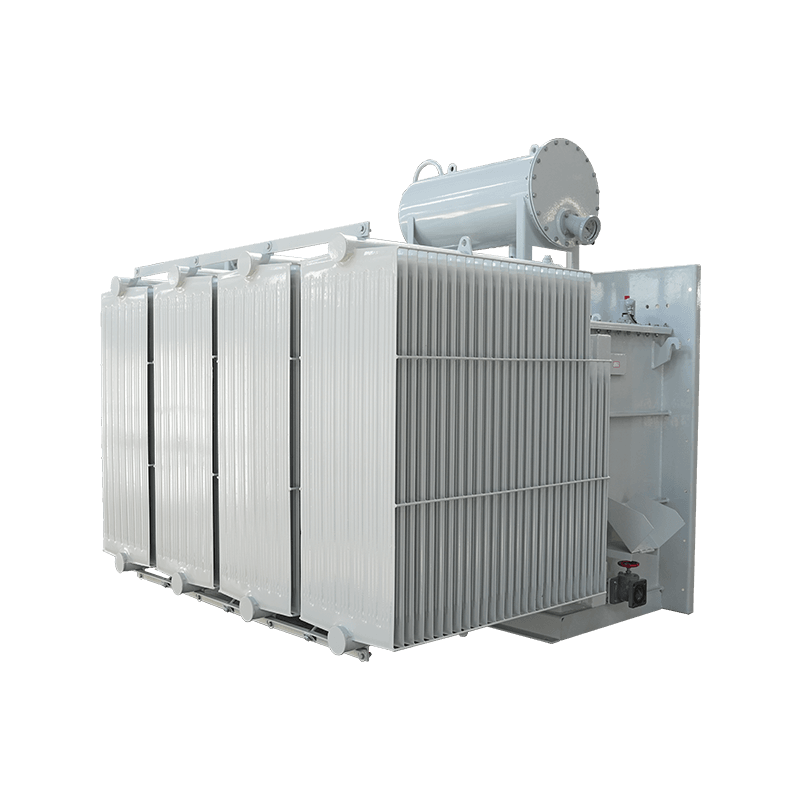
Product overview: Product ZGS series new energy combined transformer is to meet the growing requirements of photovoltaic power supply, our company in ...
See DetailsRequest for a call today




Contact Us