



 English
 中文简体
中文简体 русский
 Español
 عربى
عربىCat:European-Style Box Substation
Product overview: YB-type high-voltage/low-voltage pre-installed substation is a compact complete set of power distribution equipment that integrates ...
See DetailsWind power substations serve as critical nodes within wind energy systems, responsible for voltage transformation, power collection, protection, and grid connection. They link wind turbines to transmission or distribution networks and ensure stable power delivery under varying operational conditions. Because these substations are often located in open, elevated, or remote environments, their structural and electrical design must consider multiple natural hazards that could affect safety, continuity, and equipment lifespan.
Unlike urban substations, wind power substations are frequently installed in areas with limited natural shielding, such as plains, coastal regions, deserts, or mountainous terrain. These locations are selected based on wind resource availability rather than geological stability or weather moderation. As a result, substations are directly exposed to seismic activity, strong winds, and frequent lightning events, making environmental resistance an essential design consideration.
Earthquake resistance is an important factor for wind power substations located in seismically active regions. Ground motion during seismic events can generate horizontal and vertical forces that affect foundations, steel structures, transformers, and switchgear. Designing substations to withstand earthquakes helps reduce the risk of structural failure, equipment displacement, and electrical faults that could lead to extended outages or safety incidents.
During an earthquake, substation components experience dynamic loads that differ from static design assumptions. Transformers, circuit breakers, and support frames must be anchored securely to foundations capable of absorbing and distributing seismic energy. Flexible connections, appropriate clearances, and vibration-resistant mounting systems are often considered to accommodate movement without causing damage to conductors or insulation systems.
The foundation plays a key role in seismic resilience. Soil conditions, fault proximity, and expected ground acceleration influence foundation type and depth. Reinforced concrete foundations with adequate reinforcement detailing can help maintain structural integrity during seismic events. For wind power substations, foundation design must balance seismic requirements with installation efficiency and long-term durability.
Strong wind is a constant consideration for wind power substations, particularly in regions known for high average wind speeds or extreme weather events. Wind loads act on buildings, gantries, busbars, and outdoor equipment, generating forces that can lead to deformation, fatigue, or instability if not properly addressed in the design stage.
Wind-induced vibrations can affect tall or slender substation structures, such as steel frames and lightning masts. Repeated oscillations may contribute to material fatigue over time. Structural analysis that accounts for wind direction, speed variation, and turbulence helps ensure that components maintain stability under both normal and extreme wind conditions.
Wind can carry dust, sand, salt spray, or debris that may impact electrical equipment performance. Substation enclosures, control rooms, and cabinets are often designed with appropriate sealing and structural reinforcement to reduce ingress and physical damage. In coastal or desert environments, wind-driven particles can accelerate wear if protective measures are insufficient.
| Hazard Type | Main Impact on Substation | Design Focus |
| Earthquake | Structural movement and equipment displacement | Foundation and anchoring systems |
| Strong wind | Structural load and vibration | Wind-resistant frames and enclosures |
| Lightning | Electrical surges and insulation stress | Grounding and surge protection |
Wind power substations are often located in open terrain where lightning activity is more frequent. Tall structures, transmission lines, and metallic components can attract lightning strikes, posing risks to both equipment and operational continuity. Lightning protection is therefore a central aspect of substation design.
Direct lightning strikes can introduce high-energy currents into substation structures. Without proper interception and grounding, these currents may damage transformers, insulation systems, and control electronics. Air terminals, lightning masts, and shield wires are commonly used to intercept lightning and guide current safely to ground.
Even indirect lightning strikes can induce voltage surges that travel along power and communication lines. Surge arresters and coordinated insulation levels help limit overvoltage exposure. In wind power substations, where power electronics and monitoring systems are present, surge protection design must address both high-voltage and low-voltage circuits.
The grounding system serves multiple purposes in wind power substations, including fault current dissipation, lightning current discharge, and personnel safety. A well-designed grounding grid reduces touch and step voltages during fault conditions and provides a low-impedance path for lightning currents. Grounding design must consider soil resistivity, moisture variation, and corrosion factors.
Designing wind power substations to withstand earthquakes, wind, and lightning is not a matter of addressing each hazard independently. These factors often interact, influencing structural layout, equipment selection, and installation practices. Integrated design approaches help ensure that measures taken for one hazard do not compromise resistance to another.
Substation equipment used in wind power projects is often selected based on compliance with international and regional standards that address environmental resistance. Transformers, switchgear, and control panels may be tested for seismic performance, wind load tolerance, and insulation coordination. Selecting equipment with appropriate ratings simplifies system-level hazard mitigation.
Substation layout influences how structures respond to environmental forces. Adequate spacing between equipment reduces the risk of collision during seismic events. Orientation of buildings and outdoor equipment can help minimize wind exposure. Lightning protection zones are also established through careful spatial planning to ensure coverage of critical components.
| Design Aspect | Relevant Hazard | Design Objective |
| Foundation anchoring | Earthquake | Limit movement and displacement |
| Structural bracing | Wind | Maintain stability under load |
| Surge arresters | Lightning | Control overvoltage exposure |
Wind power substations play a key role in maintaining grid reliability. Damage caused by earthquakes, wind, or lightning can interrupt power transmission and affect large areas. Designing substations to withstand these hazards supports more consistent operation and reduces the likelihood of extended outages following extreme events.
Hazard-resistant design also influences maintenance practices. Structures designed to handle wind and seismic loads may require periodic inspection of anchors, bolts, and joints. Lightning protection systems need regular checks to ensure grounding continuity and acceptable resistance levels. Designing with accessibility in mind supports ongoing inspection and maintenance activities.
The necessity and degree of hazard resistance vary by region. Some wind power substations are located in areas with minimal seismic risk but high lightning density, while others may face strong winds and moderate seismic activity. Local regulations, geological data, and meteorological records guide the level of protection required, ensuring that design measures align with actual risk profiles.
Many countries and regions have codes and standards that address seismic design, wind loading, and lightning protection for substations. Compliance with these standards helps ensure a consistent level of safety and performance. For wind power projects, regulatory approval often depends on demonstrating that substations are designed to withstand relevant environmental hazards.
Designing wind power substations to resist earthquakes, wind, and lightning contributes to long-term asset protection. While such measures may influence initial design complexity, they can reduce repair costs, downtime, and safety risks over the operational life of the facility. Lifecycle planning increasingly considers environmental resilience as part of overall system sustainability.
As weather patterns evolve and extreme events become less predictable, the importance of resilient substation design continues to grow. Wind power substations, by their nature, are exposed to the elements. Designing them to withstand multiple environmental hazards supports adaptability and helps ensure continued operation under changing conditions.
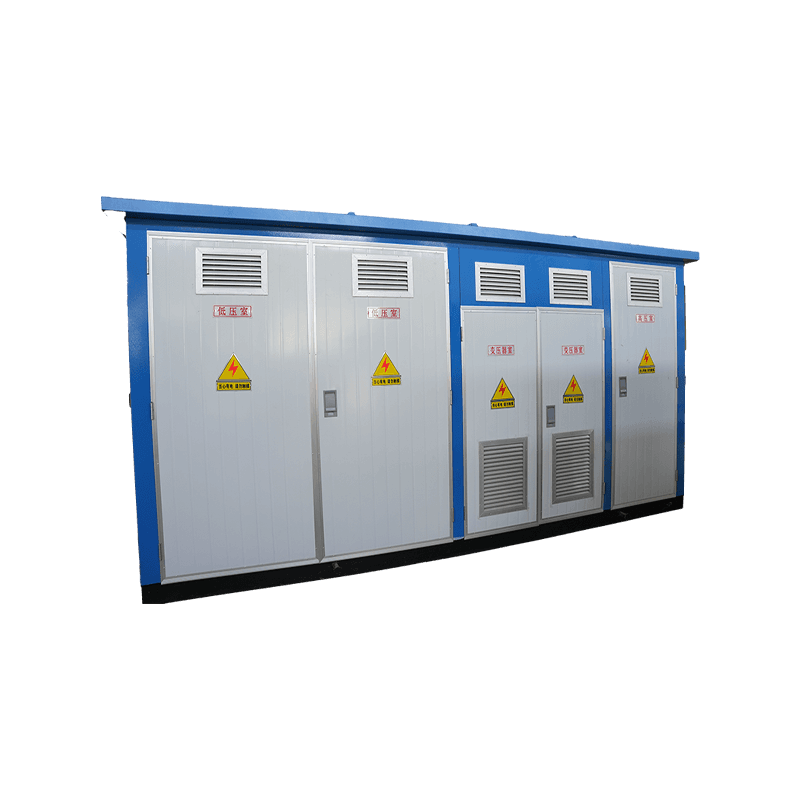
Product overview: YB-type high-voltage/low-voltage pre-installed substation is a compact complete set of power distribution equipment that integrates ...
See Details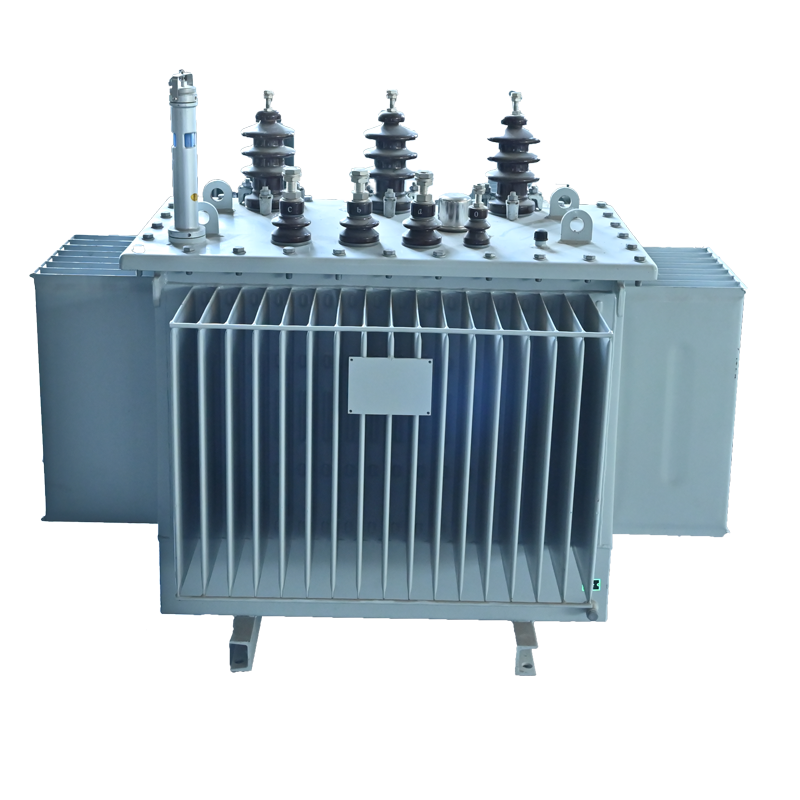
Product Overview: The S22-M iron core is made of high-quality cold-rolled silicon steel sheet, the domestic advanced cross shear line, small shear bur...
See Details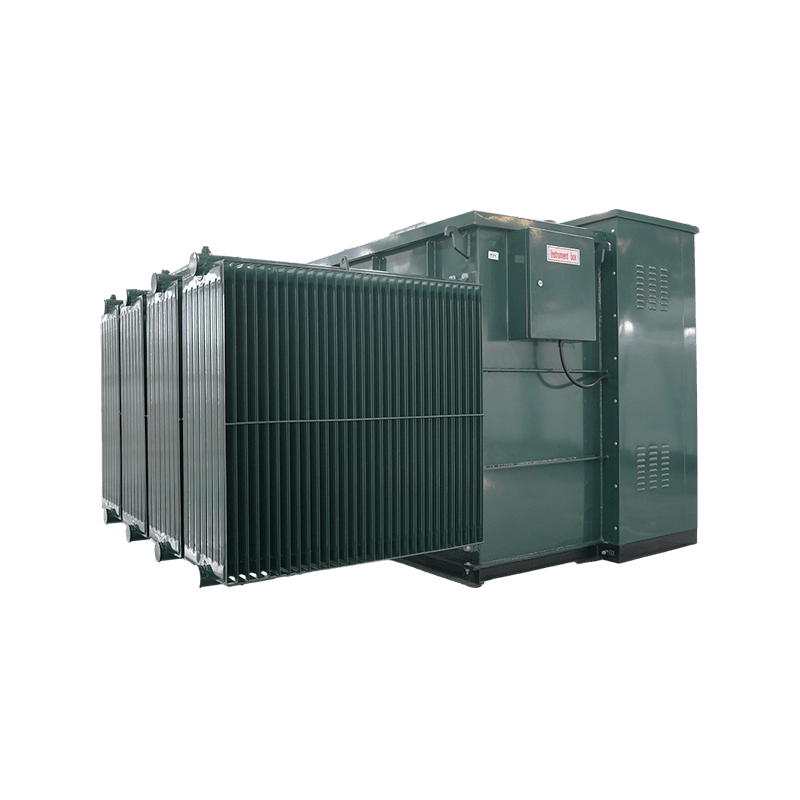
Product Overview: ZGS series combined transformer is a series of products developed according to the needs of urban multi-grid construction and develo...
See Details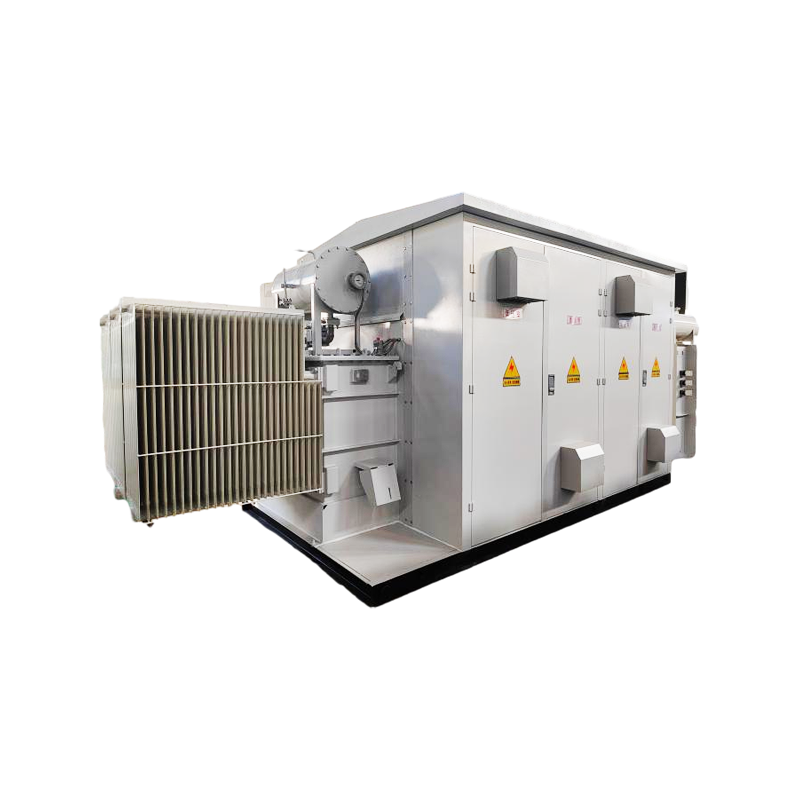
An energy storage box substation is a substation that integrates a traditional substation and energy storage system in a box. It is mainly composed of...
See DetailsRequest for a call today




Contact Us