



 English
 中文简体
中文简体 русский
 Español
 عربى
عربىCat:European-Style Box Substation
Product overview: YB-type high-voltage/low-voltage pre-installed substation is a compact complete set of power distribution equipment that integrates ...
See DetailsPhotovoltaic (PV) power stations are large-scale installations that convert sunlight into electricity using solar panels. These power stations are an integral part of the global push toward renewable energy, as they provide a clean and sustainable source of electricity. The growing demand for renewable energy has led to the rapid development of photovoltaic power stations around the world, contributing significantly to the reduction of carbon emissions. However, despite their numerous benefits, there are ongoing discussions regarding the land-use efficiency of these facilities.
Land-use efficiency refers to how effectively a given area of land is utilized to generate electricity or other forms of energy. In the context of photovoltaic power stations, land-use efficiency is measured by how much energy can be generated per unit of land area. As PV power stations require significant amounts of land to install the necessary solar panels, questions often arise about whether this land could be used more effectively for other purposes, such as agriculture or urban development. The large-scale nature of photovoltaic power stations, combined with the need for clear, unobstructed areas for optimal sunlight exposure, can lead to concerns about the trade-offs between energy generation and other land uses.
The land area required for photovoltaic power stations depends on several factors, including the efficiency of the solar panels, the capacity of the power station, and the geographical location. Solar panels require a large amount of space to achieve the desired energy output. On average, a typical photovoltaic power station might require several acres or even square kilometers of land to generate a significant amount of electricity. For example, a 1 MW solar power plant might require anywhere from 2 to 5 acres of land, depending on the technology used and the location's solar irradiance.
This land requirement can be a challenge, particularly in densely populated or agricultural regions where land is scarce and expensive. The vast land area needed for these installations can create competition for space, especially when considering the need for land for other vital uses such as food production or urban expansion. This raises concerns about the overall land-use efficiency of photovoltaic power stations, especially when compared to other energy generation technologies that require less space, such as wind power or natural gas plants.
The issue of low land-use efficiency in photovoltaic power stations is particularly pressing in regions with limited available land. When large areas of land are dedicated to solar power production, there can be negative environmental consequences. For instance, land that could otherwise be used for farming or natural habitats may be converted into solar farms. This can lead to a reduction in agricultural productivity, which in turn affects food supply chains and local economies. Additionally, the transformation of natural landscapes into solar installations may disrupt local ecosystems, affecting biodiversity and wildlife habitats.
Another environmental concern associated with low land-use efficiency is the increased demand for infrastructure to support the solar power stations. Roads, electrical connections, and maintenance facilities are often required to make these large-scale solar installations functional, which further contributes to land consumption. This can lead to fragmentation of natural habitats and other unintended environmental impacts. For regions that prioritize conservation and the preservation of natural resources, these trade-offs must be carefully considered when planning new photovoltaic power projects.
Recent technological advancements in photovoltaic technology have made significant strides in improving land-use efficiency. For example, newer, more efficient solar panels can generate more electricity per square meter, reducing the amount of land required for a given energy output. Advances in bifacial solar panels, which can capture sunlight on both sides of the panel, have also helped increase the overall energy yield of solar power stations without requiring additional land area.
In addition to improving the efficiency of the panels themselves, new installation techniques are also being explored to maximize land use. For example, vertical solar panels, which can be mounted on buildings or other structures, are gaining attention as a way to reduce the need for large, open areas of land. These systems can be integrated into existing urban infrastructure, such as rooftops, parking lots, or even walls, allowing for the generation of solar energy without occupying valuable land. Similarly, floating solar panels, which are installed on bodies of water such as lakes and reservoirs, offer another innovative solution to land-use challenges by utilizing unused or underutilized spaces.
Another approach to addressing the land-use efficiency of photovoltaic power stations is through land-shared or dual-use applications. In these cases, solar panels are installed on land that is already being used for other purposes, such as agriculture. This concept is often referred to as "agrivoltaics," where solar panels are placed above crops, allowing both farming and energy production to take place on the same land. The idea is to strike a balance between food production and renewable energy generation, ensuring that both land-use needs are met without compromising either one.
Agrivoltaics has been shown to have several benefits. In some cases, the shading provided by solar panels can protect crops from extreme heat, reducing water usage and improving yields. The additional revenue generated from selling electricity can also provide farmers with a financial incentive to adopt solar power. However, this approach requires careful planning to ensure that the solar panels do not negatively impact the crops or reduce agricultural productivity. It is also essential to consider the specific needs of different crops, as some may require more sunlight than others to thrive.
In addition to agrivoltaics, there are other potential land-sharing solutions, such as installing solar panels on unused or underdeveloped land, like brownfields, rooftops, and even roadsides. These types of installations allow for the generation of solar power without taking up land that could be used for other purposes. As urbanization continues to increase, these types of solutions will become more important for improving land-use efficiency and reducing competition for space.
The economic implications of land-use efficiency in photovoltaic power stations cannot be overlooked. In regions where land is scarce, the high cost of land acquisition for solar farms can make large-scale photovoltaic projects less economically viable. This is especially true in urban areas, where land prices are higher, and space is limited. Furthermore, the costs associated with developing the necessary infrastructure, such as access roads, power lines, and maintenance facilities, can significantly increase the overall cost of a photovoltaic power station.
However, as land prices increase, alternative land-use strategies that improve land-use efficiency become more attractive. For example, installing solar panels on rooftops or in other unused spaces can reduce the need for large-scale land purchases, making solar power generation more cost-effective. Similarly, agrivoltaic systems offer the potential to create a new revenue stream for farmers while reducing the overall land required for energy production. As technology continues to evolve, the economic feasibility of these land-sharing solutions will likely improve, making them more accessible to a wider range of users.
Governments play a crucial role in shaping the land-use efficiency of photovoltaic power stations through policies, incentives, and regulations. In many countries, policies that encourage the integration of solar power with agricultural or urban development can help address land-use concerns. For instance, incentives that promote agrivoltaic systems or rooftop solar installations can reduce the need for large-scale land conversions and help maximize the use of existing infrastructure.
In some cases, governments have also implemented regulations that require solar power projects to consider land-use efficiency as part of the planning process. These regulations may include requirements for developers to use land in ways that minimize environmental impact or to prioritize the use of brownfields or other underutilized spaces. By creating incentives for efficient land use and providing regulatory support for innovative solutions, governments can help address the issue of low land-use efficiency in photovoltaic power stations.
While photovoltaic power stations are a valuable source of renewable energy, the land-use efficiency of these installations is a key consideration, particularly in areas where land is limited. The land area required for solar panels can lead to competition with other land uses, such as agriculture or urban development. However, advancements in solar technology, such as more efficient panels and innovative installation methods, are helping to reduce the land requirements for photovoltaic power stations. Additionally, land-sharing solutions like agrivoltaics and the use of unused spaces offer promising approaches to improving land-use efficiency. By considering the economic, environmental, and policy factors, it is possible to develop photovoltaic power stations that maximize energy production while minimizing the impact on land resources.
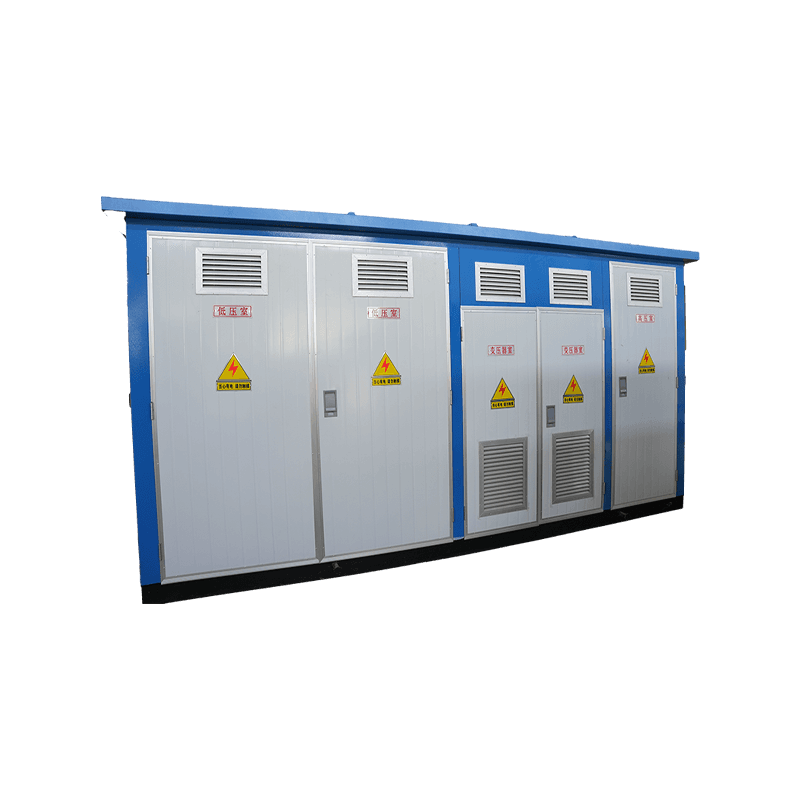
Product overview: YB-type high-voltage/low-voltage pre-installed substation is a compact complete set of power distribution equipment that integrates ...
See Details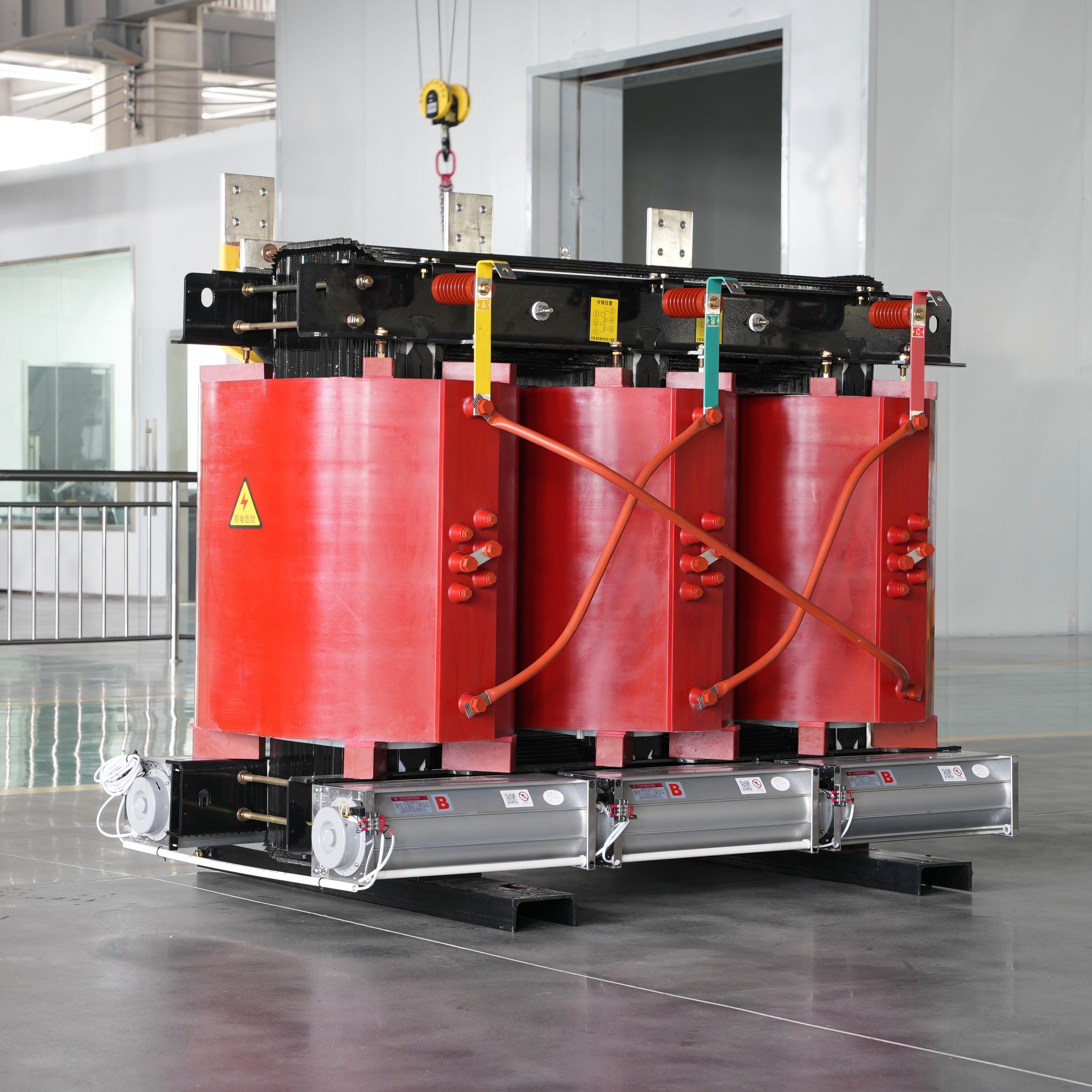
SC (B) series products are epoxy-cast non-excited voltage regulating dry transformers; This type is made of F-grade epoxy resin mixture with filler, a...
See Details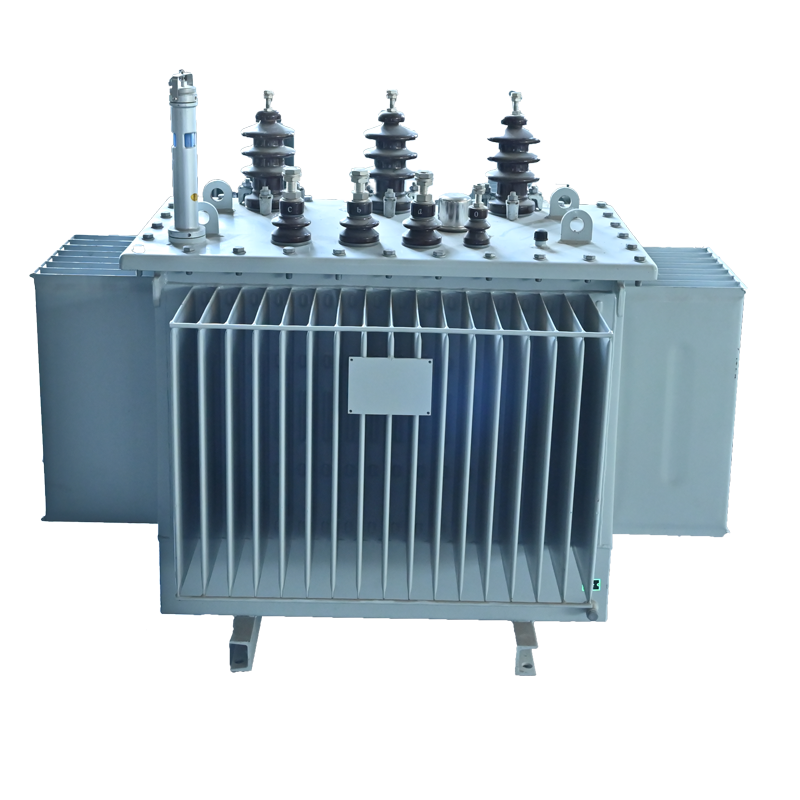
Product Overview: The S22-M iron core is made of high-quality cold-rolled silicon steel sheet, the domestic advanced cross shear line, small shear bur...
See Details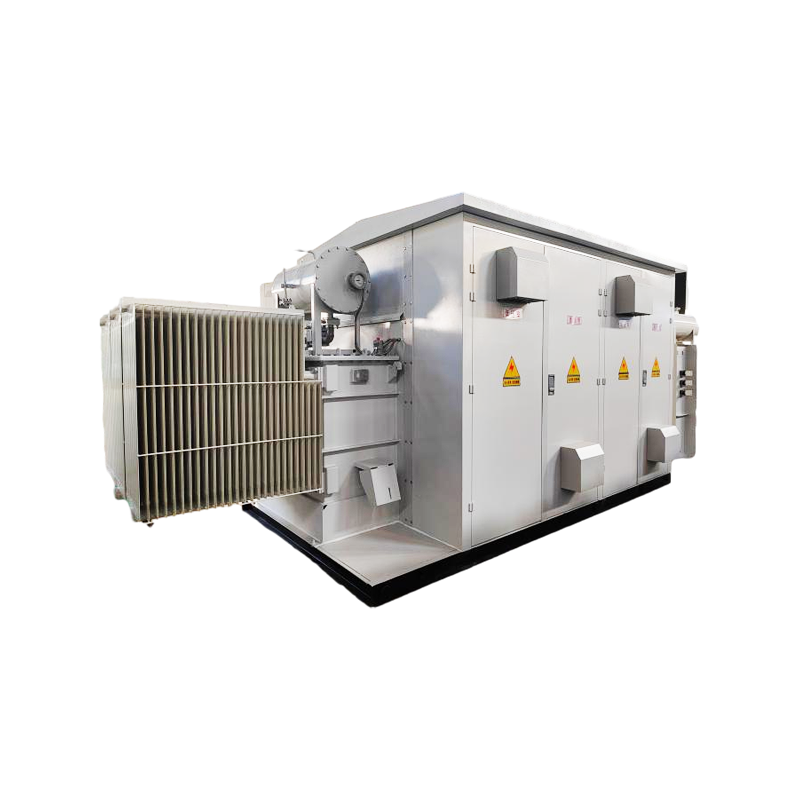
An energy storage box substation is a substation that integrates a traditional substation and energy storage system in a box. It is mainly composed of...
See DetailsRequest for a call today




Contact Us