



 English
 中文简体
中文简体 русский
 Español
 عربى
عربىCat:Underground Box Substation
Product overview:Semi-buried box substation (barrel weight semi-buried box transformer) is a new generation of box-type transformer newly developed on...
See DetailsEnergy storage substations are critical components in modern power grids, serving as centralized points to store and manage electrical energy for distribution or peak load balancing. These substations often rely on large battery systems, such as lithium-ion or flow batteries, to maintain a stable energy supply. The performance and safety of these battery systems are heavily influenced by thermal conditions and the early detection of faults, which makes battery thermal management and fault warning systems essential.
Batteries generate heat during charging and discharging cycles. Without proper thermal management, localized overheating can occur, potentially reducing battery life or causing safety risks. Energy storage substations typically implement cooling or heating mechanisms to maintain an optimal temperature range, ensuring consistent performance. Effective thermal management also helps balance temperature across battery modules, preventing stress and degradation in specific areas.
Battery thermal management in energy storage substations can involve air cooling, liquid cooling, or phase change materials, depending on system size and battery type. Air cooling uses fans or ventilation channels to dissipate heat, while liquid cooling circulates coolant through channels in direct contact with battery cells. Phase change materials absorb and release heat as they transition between solid and liquid states, providing passive thermal regulation. Each method has trade-offs in terms of efficiency, complexity, and maintenance requirements.
Modern energy storage substations integrate thermal management with battery monitoring systems. Sensors placed throughout the battery array provide real-time temperature data, which is processed by control systems. When temperatures exceed predefined thresholds, cooling mechanisms are activated automatically. This integration ensures that thermal management responds dynamically to operational conditions and prevents prolonged exposure to extreme temperatures.
Fault detection in battery systems involves monitoring electrical parameters such as voltage, current, and internal resistance, in addition to temperature. Early detection of anomalies, such as overvoltage, undervoltage, or sudden temperature spikes, allows the system to generate warnings before critical failures occur. These warnings can be transmitted to operators via dashboards, alarms, or automated notifications, enabling timely intervention to prevent damage or safety incidents.
Batteries in large-scale energy storage substations can experience several fault modes. Overheating, short circuits, and capacity imbalance between cells are typical issues. Other concerns include electrolyte leakage, internal mechanical failure, and degradation due to repeated charge-discharge cycles. Fault warning systems help identify these conditions early, allowing maintenance teams to respond before the faults propagate and affect overall system reliability.
The design of thermal management and fault warning systems must consider the type of batteries, their arrangement, and the operational environment of the substation. Systems must be scalable to accommodate large battery arrays while maintaining monitoring accuracy. Redundant sensors and fail-safe mechanisms are often included to ensure continued protection even if some components fail. Integration with the substation’s control and energy management systems enables coordinated responses to both thermal and electrical anomalies.
Regular maintenance and testing of thermal management and fault detection systems are necessary to maintain their effectiveness. Calibration of temperature sensors, inspection of cooling channels, and verification of alarm thresholds are typical maintenance activities. Routine testing helps confirm that the system will respond appropriately under different load conditions and environmental scenarios.
Properly implemented thermal management and fault warning systems provide several benefits. They enhance the safety of the energy storage substation by reducing the risk of battery fires or explosions. They also extend battery life by minimizing temperature-related degradation, ensuring more consistent performance and energy efficiency. Additionally, early fault detection supports operational reliability and reduces downtime for maintenance, which is essential for substations supplying critical energy loads.
Energy storage substations often operate within larger energy management frameworks. Thermal and fault monitoring data can be integrated with grid control systems to optimize charging and discharging schedules. For example, batteries may be discharged at lower currents during high-temperature periods to reduce stress. Integration also allows operators to prioritize maintenance resources based on real-time risk assessments, improving overall operational efficiency.
| Cooling Method | Advantages | Limitations | Typical Use Case |
| Air Cooling | Simple, low cost, minimal maintenance | Limited heat removal capacity, less effective in high-density arrays | Smaller battery systems or low heat generation scenarios |
| Liquid Cooling | Efficient heat transfer, suitable for large battery packs | Complex system, requires pumps, plumbing, and leak management | High-capacity energy storage substations |
| Phase Change Material | Passive, no moving parts, smooth thermal regulation | Limited heat absorption capacity, may require replacement over time | Moderate-scale systems, supplementary thermal control |
Alongside continuous monitoring, energy storage substations implement safety protocols that are triggered by fault warnings or abnormal temperature readings. These may include automatic disconnection of battery modules, activation of emergency cooling, or dispatch of maintenance personnel. Clear protocols help prevent escalation of minor issues into critical incidents and are an essential aspect of operational safety.
Thermal and fault monitoring systems log operational data continuously. This data is analyzed to identify patterns of wear, temperature fluctuations, and recurring faults. Predictive analytics based on this data allows operators to plan preventative maintenance, optimize battery usage, and adjust thermal management strategies. Over time, this analysis contributes to more efficient and safer substation operations.
Battery thermal management and fault warning systems are designed to comply with industry standards and safety regulations. Guidelines specify temperature thresholds, alarm response times, and monitoring accuracy requirements. Compliance ensures that energy storage substations meet legal and insurance requirements, and that they adhere to recognized safety practices for electrical energy storage installations.
Implementing effective thermal management and fault warning systems involves challenges such as ensuring uniform sensor coverage, maintaining system reliability, and balancing cost with performance. Environmental factors like ambient temperature, humidity, and ventilation influence system design. Additionally, as battery technology evolves, the systems must adapt to new chemistries and energy densities, requiring flexible design and update capabilities.
Advancements in battery monitoring, thermal management, and predictive fault analytics continue to improve the safety and efficiency of energy storage substations. Integration with artificial intelligence and remote monitoring platforms allows for real-time assessment and automated corrective actions. Emerging materials and cooling technologies may further enhance thermal stability, enabling substations to operate safely under higher loads and in diverse environmental conditions.
| Feature | Function | Benefit |
| Battery Thermal Management | Maintains temperature within optimal range | Prevents overheating, extends battery life |
| Fault Warning System | Detects electrical and thermal anomalies | Early intervention, reduces risk of failure |
| Integrated Monitoring | Collects real-time temperature and electrical data | Supports dynamic control and predictive maintenance |
| Emergency Response Protocols | Automated or manual corrective actions | Minimizes damage, ensures safety of personnel and equipment |
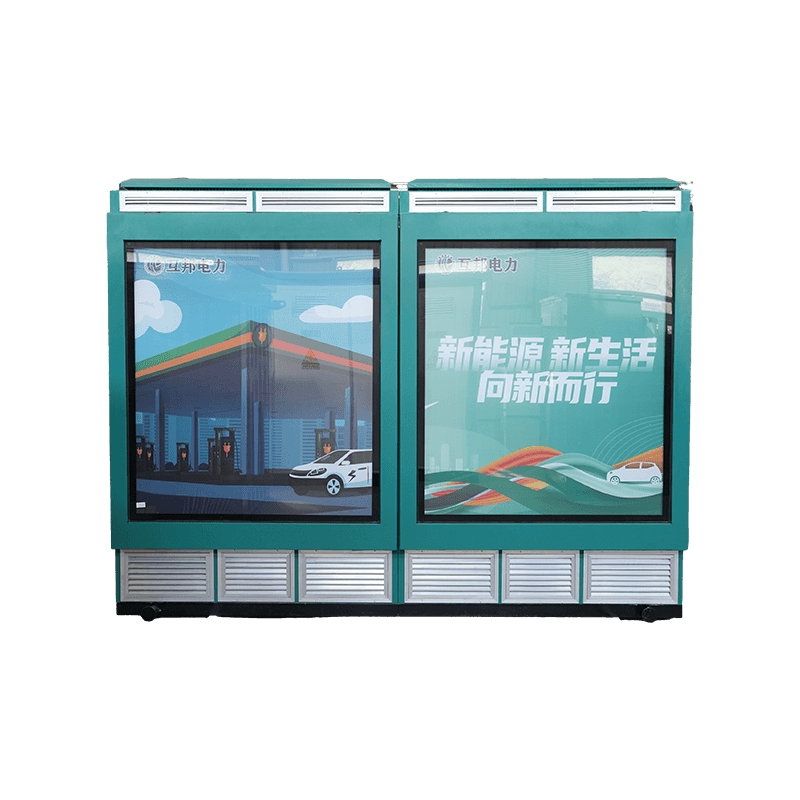
Product overview:Semi-buried box substation (barrel weight semi-buried box transformer) is a new generation of box-type transformer newly developed on...
See Details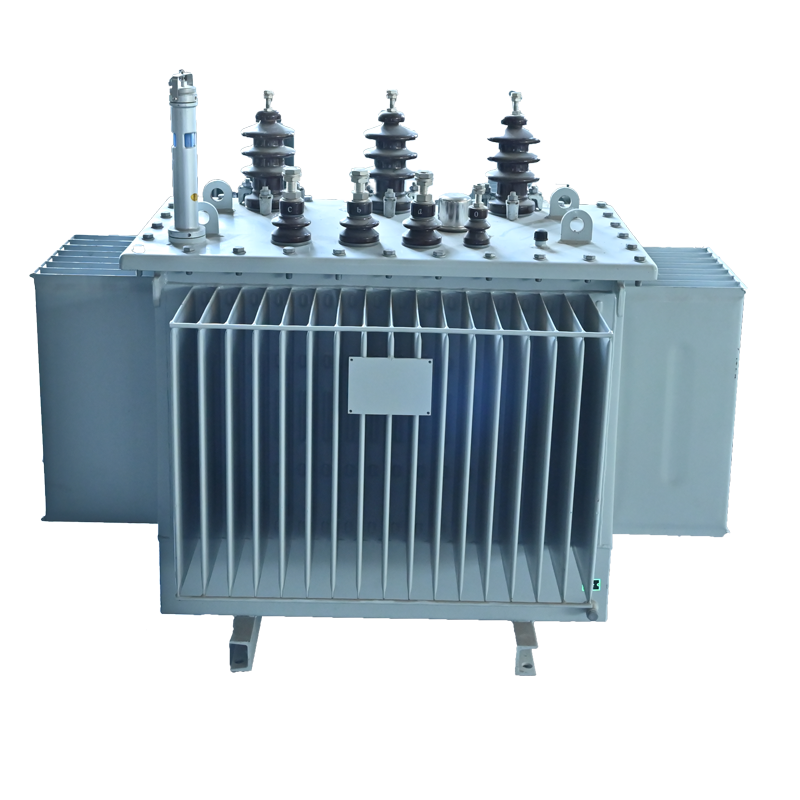
Product Overview: The S22-M iron core is made of high-quality cold-rolled silicon steel sheet, the domestic advanced cross shear line, small shear bur...
See Details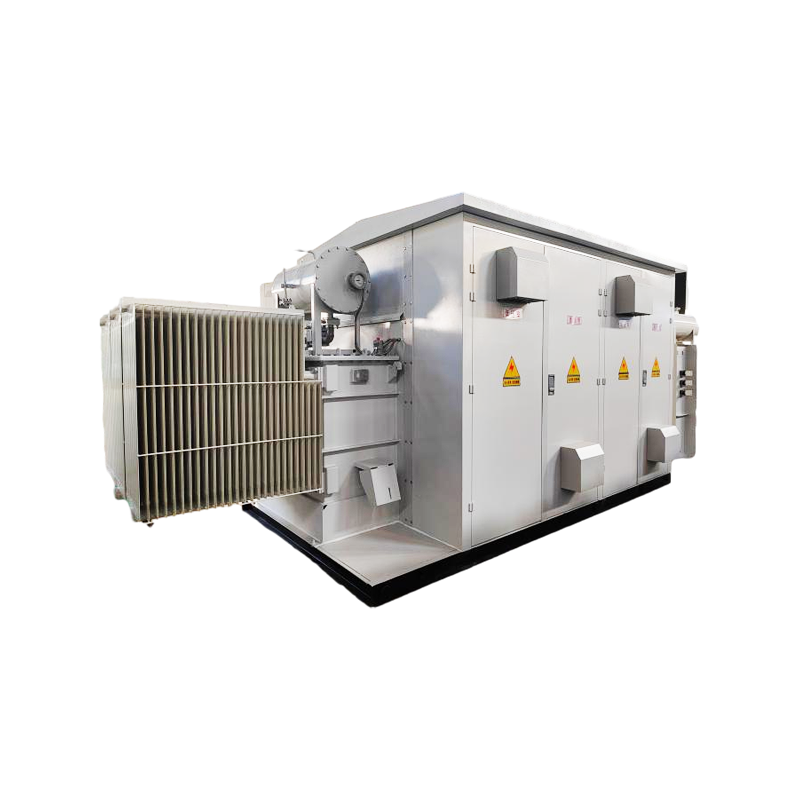
An energy storage box substation is a substation that integrates a traditional substation and energy storage system in a box. It is mainly composed of...
See Details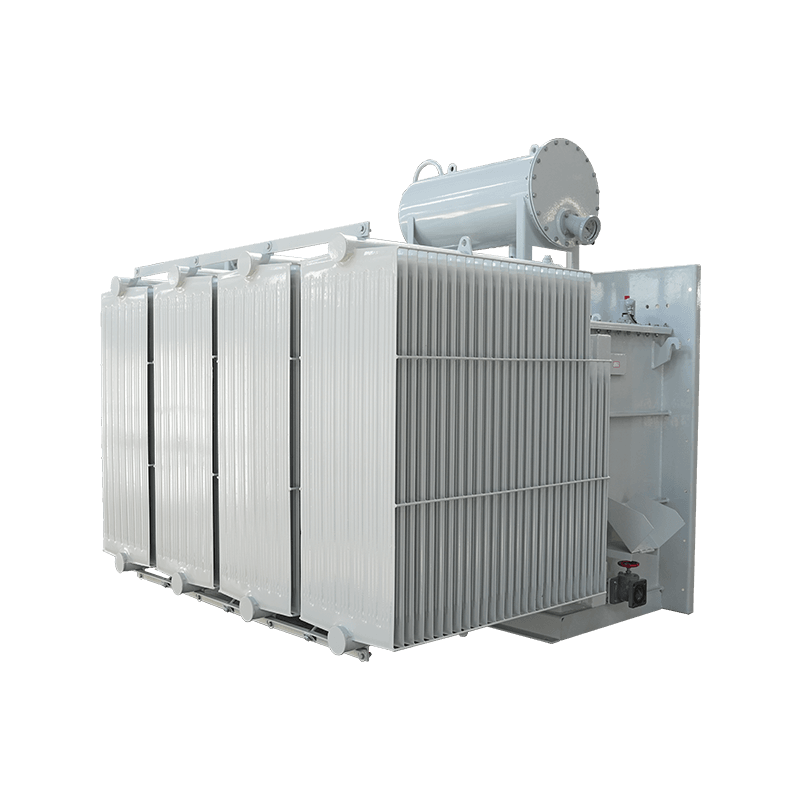
Product overview: Product ZGS series new energy combined transformer is to meet the growing requirements of photovoltaic power supply, our company in ...
See DetailsRequest for a call today






Contact Us