



 English
 中文简体
中文简体 русский
 Español
 عربى
عربىCat:American-Style Box Substation
Product Overview: ZGS series combined transformer is a series of products developed according to the needs of urban multi-grid construction and develo...
See DetailsTransformer assemblies are essential components in electrical power distribution and industrial applications. They regulate voltage, provide isolation, and ensure energy is delivered safely to connected equipment. Due to the critical nature of transformers, they are often designed with protective mechanisms to prevent damage from electrical anomalies such as overloads or short circuits. These protection designs are integral to the safety and reliability of both the transformer and the broader electrical system.
Overload conditions occur when the transformer is required to deliver more current than its rated capacity for extended periods. Excessive current can cause winding overheating, insulation degradation, and eventual failure of the transformer. Overload protection mechanisms detect current levels that exceed safe limits and either reduce load, trigger alarms, or disconnect the transformer from the circuit. This ensures that the transformer can operate within safe thermal limits while maintaining system stability.
Several techniques are used to implement overload protection in transformer assemblies. Thermal relays and temperature sensors monitor the rise in winding or core temperature, providing feedback for automatic shutdown or alert systems. Electronic current sensors can detect sustained high currents and activate protective relays. Some designs incorporate both thermal and electronic monitoring to provide layered protection against overload conditions, enhancing reliability.
Short-circuits pose an immediate threat to transformers due to the sudden surge of current that can exceed the conductor and insulation ratings. Transformer assemblies are equipped with short-circuit protection mechanisms to limit damage. This includes circuit breakers, fuses, and protective relays that detect fault conditions and isolate the transformer quickly. Rapid response to short-circuits minimizes the risk of catastrophic failure, fire, or damage to downstream equipment.
Modern transformer assemblies often integrate overload and short-circuit protection into a comprehensive protection scheme. These systems continuously monitor current, voltage, and temperature parameters. When anomalies are detected, the system can execute pre-programmed responses such as load reduction, tripping circuit breakers, or sending alerts to operators. Integration ensures coordinated protection and prevents multiple failures in connected electrical networks.
Designing protection systems for transformers requires careful consideration of transformer rating, load characteristics, and environmental conditions. Protection devices must be calibrated to respond within safe limits without causing unnecessary interruptions. For example, in systems with variable loads, delay settings may be incorporated to allow temporary current surges that are within acceptable limits. Additionally, redundancy in protective elements ensures that the failure of one device does not compromise overall safety.
| Device | Function | Application |
| Thermal Relay | Monitors temperature rise due to overload | Medium and low-voltage transformers |
| Circuit Breaker | Automatically disconnects transformer during faults | High and medium-voltage applications |
| Fuse | Provides fast interruption for short-circuit events | Protects windings and connected equipment |
| Protective Relay | Detects abnormal electrical conditions and triggers protective actions | Integrated into substation control systems |
Transformer windings and cores generate heat during operation. Overload protection systems account for thermal limits by continuously measuring temperature through embedded sensors. These readings guide automatic control decisions, preventing the transformer from exceeding safe operating temperatures. Thermal protection ensures gradual stress is managed effectively, reducing the likelihood of insulation breakdown.
Short-circuit protection focuses on rapid detection and isolation. The high fault currents can damage winding insulation, magnetic cores, and connected equipment. Protective devices respond within milliseconds to limit the impact. Coordination between fuses, relays, and circuit breakers ensures that only the affected section is isolated, maintaining overall system continuity while safeguarding the transformer.
Modern transformer assemblies often integrate monitoring systems with protective devices. Sensors track electrical parameters in real time, providing feedback to control units that manage protective responses. These systems can log operational data, enabling predictive maintenance and performance optimization. Integration enhances the accuracy of overload detection and ensures that protective measures are triggered precisely when needed.
The nature of the load connected to the transformer influences protection system settings. Constant loads, fluctuating loads, and short-duration peak loads each present different risks. Overload and short-circuit protection must be designed to distinguish between harmless temporary surges and sustained conditions that could cause damage. Customizing protection settings based on load profiles helps improve reliability and reduce unnecessary tripping.
Regular maintenance and testing of overload and short-circuit protection devices are essential to ensure proper operation. Calibration of relays, inspection of fuses, and functional testing of circuit breakers confirm that protective systems respond correctly. Maintenance protocols often include simulated fault scenarios to validate response times and coordination among devices.
Incorporating both overload and short-circuit protection into transformer assemblies provides multiple benefits. These include enhanced safety for personnel and equipment, prevention of catastrophic failures, and extended transformer lifespan. Effective protection also improves system reliability by reducing downtime and minimizing the risk of cascading failures in the electrical network.
Designing reliable protection systems involves balancing sensitivity with stability. Highly sensitive devices may trigger false trips under transient conditions, while insufficient sensitivity can allow dangerous faults to persist. Engineers must carefully select protective devices, set appropriate thresholds, and consider environmental factors such as ambient temperature, vibration, and humidity. Redundancy and fail-safe design principles are often applied to enhance system resilience.
Transformer protection systems are designed to comply with national and international standards. These standards specify response times, testing procedures, and performance criteria for overload and short-circuit protection. Compliance ensures that transformer assemblies meet safety and reliability requirements for industrial, commercial, and utility applications.
| Protection Type | Primary Function | Response Time | Key Advantage |
| Overload Protection | Prevents overheating due to excessive current | Seconds to minutes | Protects winding insulation and core |
| Short-Circuit Protection | Interrupts high fault currents quickly | Milliseconds | Minimizes immediate risk of damage |
| Integrated Relays | Monitors and triggers protective actions | Milliseconds to seconds | Combines multiple protections in one system |
Transformer assemblies rely on a combination of overload protection and short-circuit protection to ensure safe operation. These protective designs monitor electrical and thermal conditions, trigger timely interventions, and help maintain the reliability of connected electrical systems. Regular maintenance, careful calibration, and integration with control systems enhance their effectiveness, making them essential components of modern transformer assemblies.
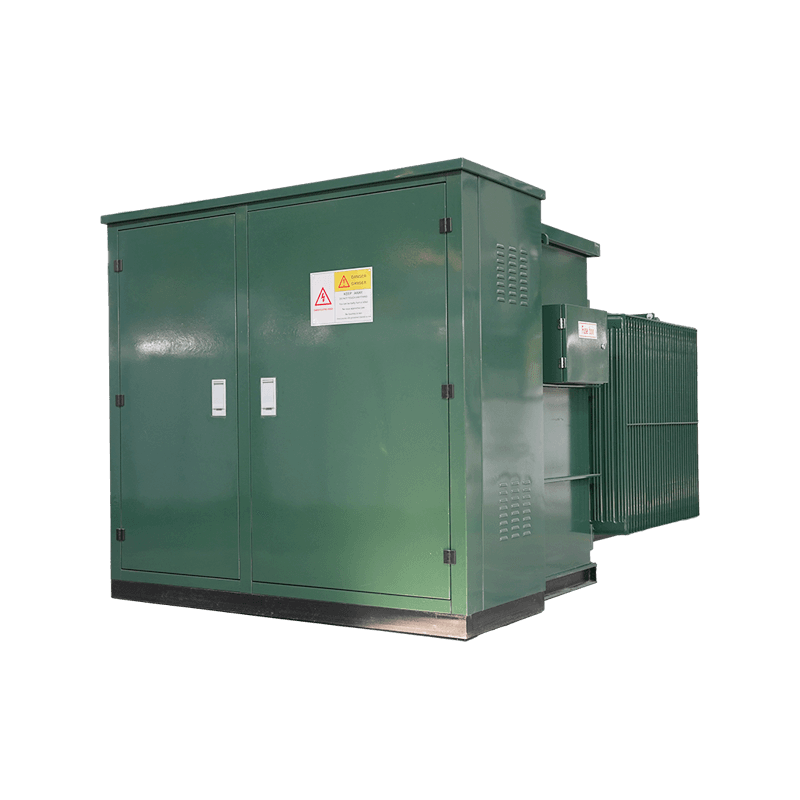
Product Overview: ZGS series combined transformer is a series of products developed according to the needs of urban multi-grid construction and develo...
See Details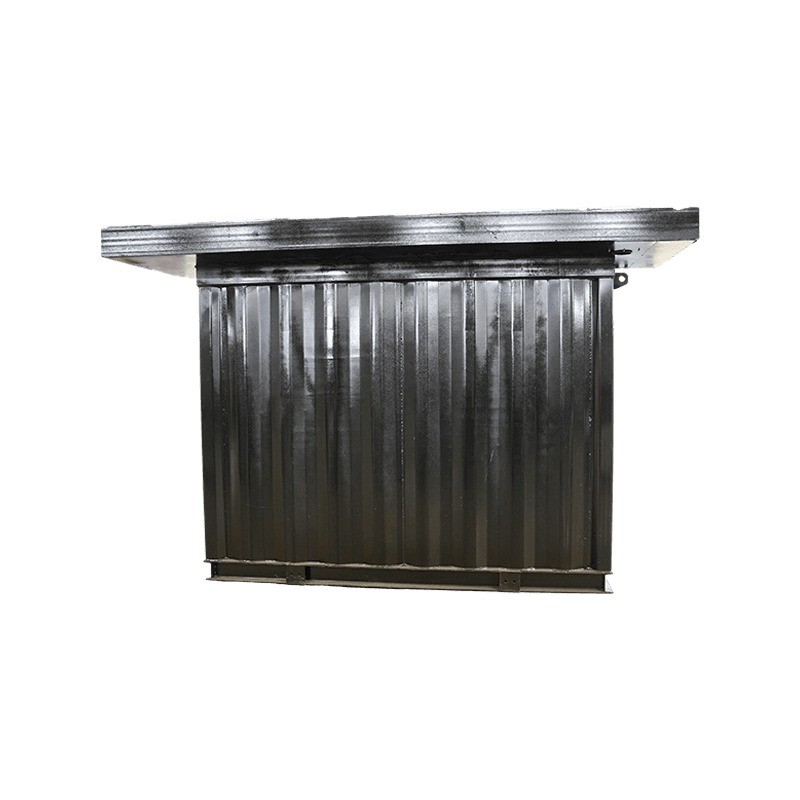
Product overview:All-buried box-type substation (referred to as all-buried box-type transformer) is a new generation of box-type transformer newly dev...
See Details
Product overview: Pipe corridor transformer is the abbreviation of "urban underground pipeline comprehensive corridor", that is, the construction of a...
See Details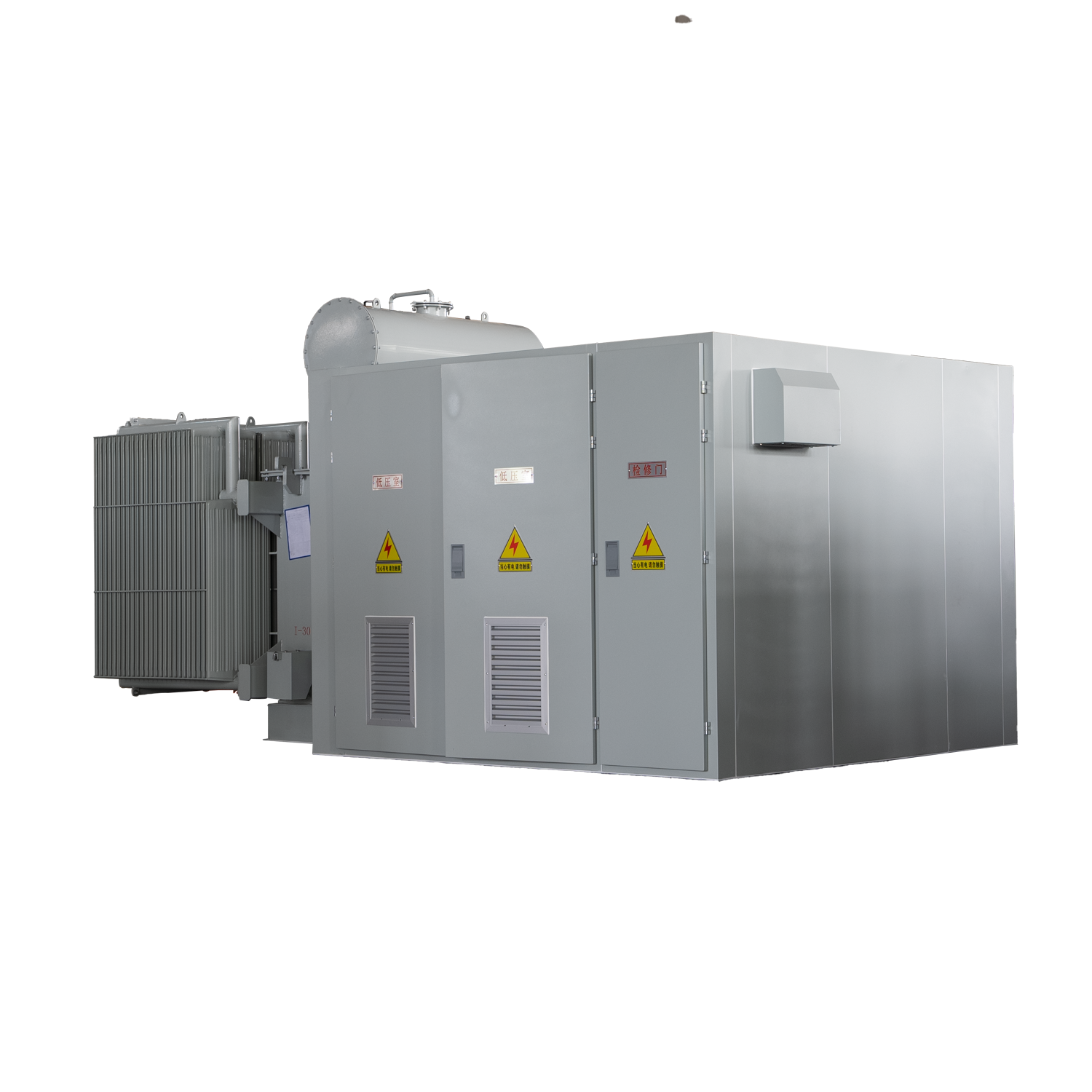
Product overview: Wind combined transformer series products for our company specially designed and developed for wind power generation products, wind ...
See Details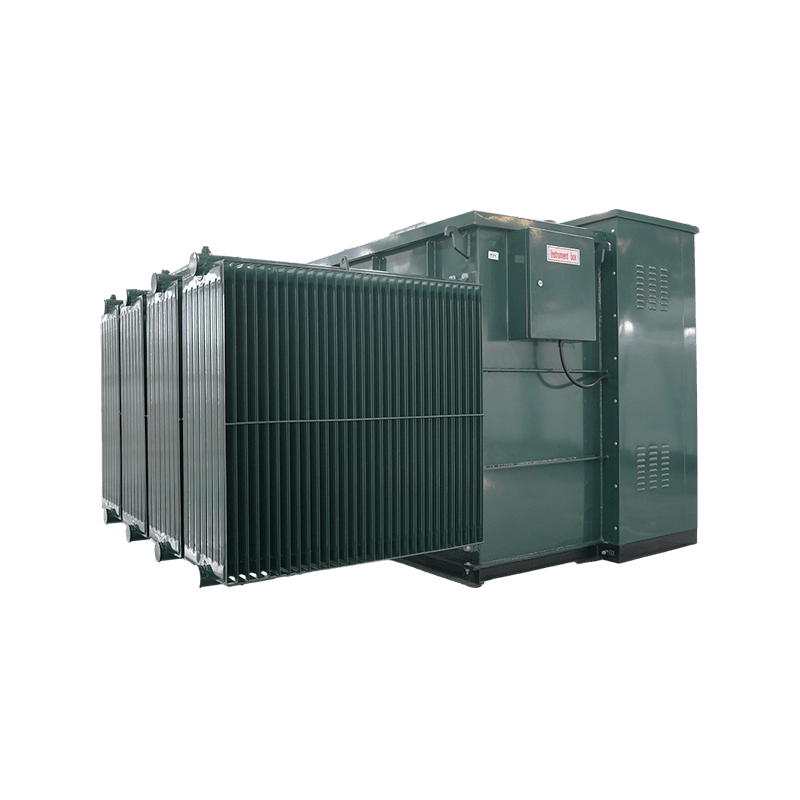
Product Overview: ZGS series combined transformer is a series of products developed according to the needs of urban multi-grid construction and develo...
See Details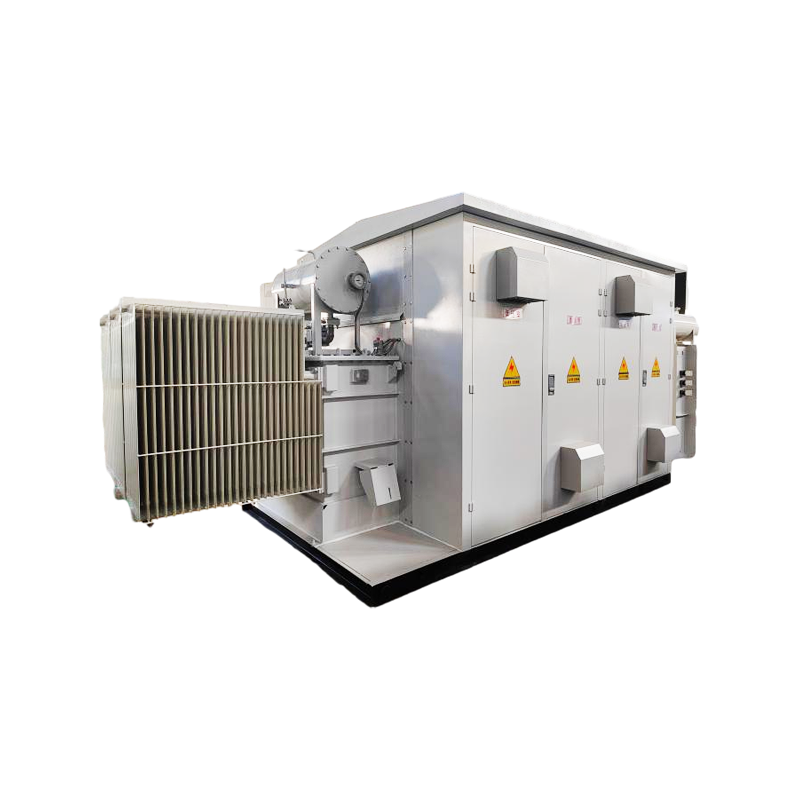
An energy storage box substation is a substation that integrates a traditional substation and energy storage system in a box. It is mainly composed of...
See DetailsRequest for a call today






Contact Us