



 English
 中文简体
中文简体 русский
 Español
 عربى
عربىCat:European-Style Box Substation
Product overview: YB-type high-voltage/low-voltage pre-installed substation is a compact complete set of power distribution equipment that integrates ...
See DetailsThe demand for stable and efficient electrical systems has increased with the rapid expansion of renewable energy sources. As a result, new energy transformers have become essential components in modern power grids, particularly in systems that integrate renewable energy sources such as solar, wind, and hydroelectric power. These transformers are designed to handle the varying loads and conditions that are typical of renewable energy systems, including high-frequency fluctuations in power transmission.
High-frequency fluctuations refer to rapid, short-term changes in the frequency of electrical power that occur due to shifts in load or generation. These fluctuations can be caused by several factors, including sudden changes in demand, irregular power generation from renewable sources, or external disturbances in the power grid. In conventional electrical systems, frequency stability is essential to ensure that the electrical supply remains reliable and consistent. However, renewable energy sources, which can be intermittent and variable, often introduce these high-frequency fluctuations.
High-frequency fluctuations can affect the performance and lifespan of electrical components, particularly transformers, which are crucial for stepping up or stepping down voltage in the power transmission and distribution system. The ability of transformers to operate stably under these conditions is critical for ensuring the overall stability of the electrical network.
Transformers are typically designed to handle steady-state conditions in the electrical grid. However, high-frequency fluctuations can introduce several challenges that can impact the performance and reliability of transformers:
New energy transformers are designed with advanced features and materials to mitigate the challenges posed by high-frequency fluctuations. These transformers incorporate design strategies aimed at ensuring stable operation even under varying and unstable conditions. The following design considerations are crucial for achieving this stability:
The core of a transformer plays a significant role in its ability to handle high-frequency fluctuations. In traditional transformers, the core is typically made of laminated sheets of silicon steel, which help to reduce core losses and improve efficiency. However, under high-frequency conditions, these cores may become saturated, leading to inefficiencies and potential overheating.
To address this issue, new energy transformers often use advanced core materials such as amorphous steel or nanocrystalline alloys, which offer better performance under high-frequency conditions. These materials have lower core losses and can withstand higher-frequency fluctuations without entering magnetic saturation. As a result, they provide greater stability and reduce the risk of overheating and power distortion.
Thermal management is a key aspect of transformer design, especially under high-frequency fluctuation conditions. The rapid changes in current and voltage can generate additional heat, which must be effectively dissipated to prevent overheating and damage to the transformer components.
New energy transformers are often equipped with advanced cooling systems, such as oil-filled cooling or air-cooled heat exchangers, to ensure that heat is efficiently removed from the transformer. These systems help maintain the transformer’s operating temperature within safe limits, even during periods of high-frequency fluctuations. Additionally, transformer windings may be designed with improved insulation materials that can withstand higher temperatures and thermal stress over time.
Modern new energy transformers are often equipped with sophisticated control and monitoring systems that help ensure stable operation under fluctuating conditions. These systems continuously monitor the electrical parameters of the transformer, such as voltage, current, and temperature, to detect any deviations from normal operating conditions. When high-frequency fluctuations are detected, the control system can automatically adjust the transformer’s settings or activate protective measures to prevent damage.
For example, inverters and regulators can be used to smooth out voltage and frequency fluctuations by adjusting the power flow. This helps maintain a consistent output and prevents the transformer from experiencing excessive stress due to rapid changes in load or generation. These control systems are particularly useful in renewable energy applications, where power generation can vary significantly depending on weather conditions.
The winding configuration and insulation materials used in new energy transformers are also designed to enhance their stability under high-frequency fluctuations. The windings are typically made from copper or aluminum conductors that are insulated with materials that can withstand the electrical stresses associated with fluctuating power inputs.
In addition to standard winding designs, transformers may incorporate interleaved or segmented winding techniques to reduce the effects of high-frequency current on the transformer. These winding designs help to minimize eddy currents and reduce losses, improving the efficiency of the transformer under fluctuating conditions. Furthermore, the insulation materials used in these transformers are designed to handle higher voltage spikes and prevent electrical breakdown, ensuring that the transformer operates safely even during periods of high-frequency fluctuations.
Electrical surges and faults are common in systems that experience high-frequency fluctuations, and transformers must be equipped with protective mechanisms to avoid damage from these events. Surge protection devices (SPDs) are commonly used in new energy transformers to protect against voltage spikes caused by lightning strikes or sudden changes in power flow.
Additionally, advanced fault detection systems are employed to quickly identify and isolate any faults in the transformer or the electrical grid. These systems help to minimize the impact of electrical surges and ensure that the transformer continues to operate safely during fault conditions. By preventing damage from electrical surges and faults, these protection systems enhance the overall stability and reliability of new energy transformers.
New energy transformers are increasingly being integrated into smart grid systems, which use advanced communication and control technologies to optimize the performance and stability of the electrical grid. Smart grid technologies allow transformers to dynamically adjust to changing conditions, such as high-frequency fluctuations, in real-time.
Through the use of sensors, automated control systems, and data analytics, transformers can communicate with other components of the grid to adjust power flows, mitigate fluctuations, and maintain stability. This integration with smart grid technologies enhances the ability of new energy transformers to operate efficiently and stably under fluctuating conditions, ensuring that the power grid remains reliable even in the face of renewable energy variability.
| Feature | Traditional Transformer | New Energy Transformer |
| Core Material | Silicon Steel | Amorphous Steel or Nanocrystalline Alloys |
| Cooling System | Air or Oil Cooling | Advanced Cooling with Enhanced Heat Dissipation |
| Control System | Basic Monitoring | Advanced Control and Monitoring with Real-time Adjustments |
| Winding Design | Standard Winding | Interleaved/Segmented Winding for Reduced Eddy Currents |
| Surge Protection | Basic Surge Protection | Integrated Surge Protection with Fault Detection |
| Grid Integration | Standalone Operation | Smart Grid Integration with Dynamic Power Adjustment |
New energy transformers are specifically designed to handle the challenges posed by high-frequency fluctuations in modern electrical grids. Through advanced materials, improved cooling systems, sophisticated control mechanisms, and enhanced protection features, these transformers are capable of maintaining stable operation even under fluctuating conditions. By integrating with smart grid technologies, they contribute to the efficient and reliable distribution of power from renewable energy sources, ensuring that the electrical grid remains resilient and adaptable to the needs of the future.
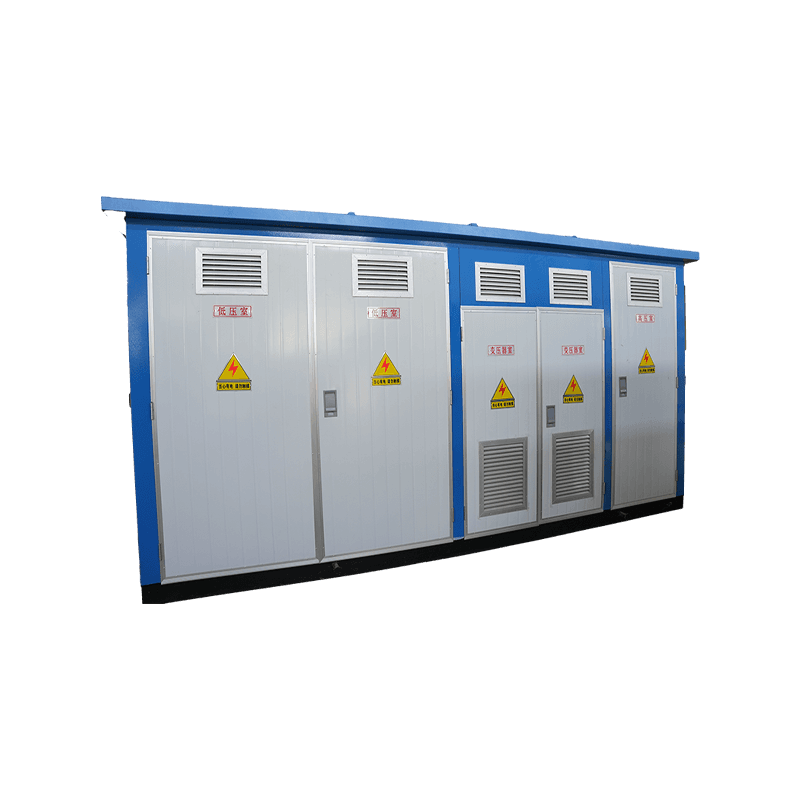
Product overview: YB-type high-voltage/low-voltage pre-installed substation is a compact complete set of power distribution equipment that integrates ...
See Details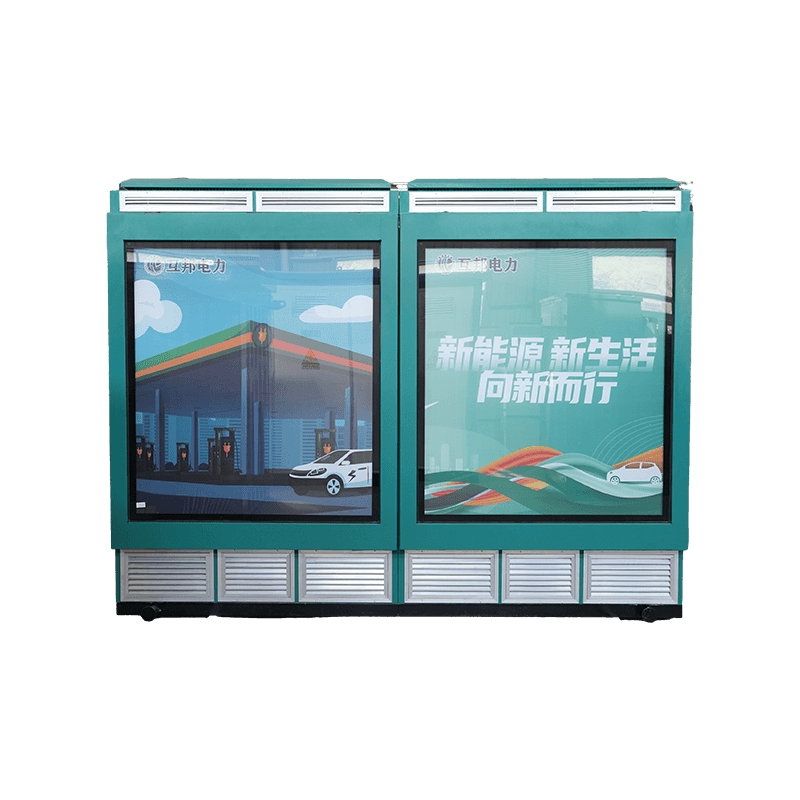
Product overview:Semi-buried box substation (barrel weight semi-buried box transformer) is a new generation of box-type transformer newly developed on...
See Details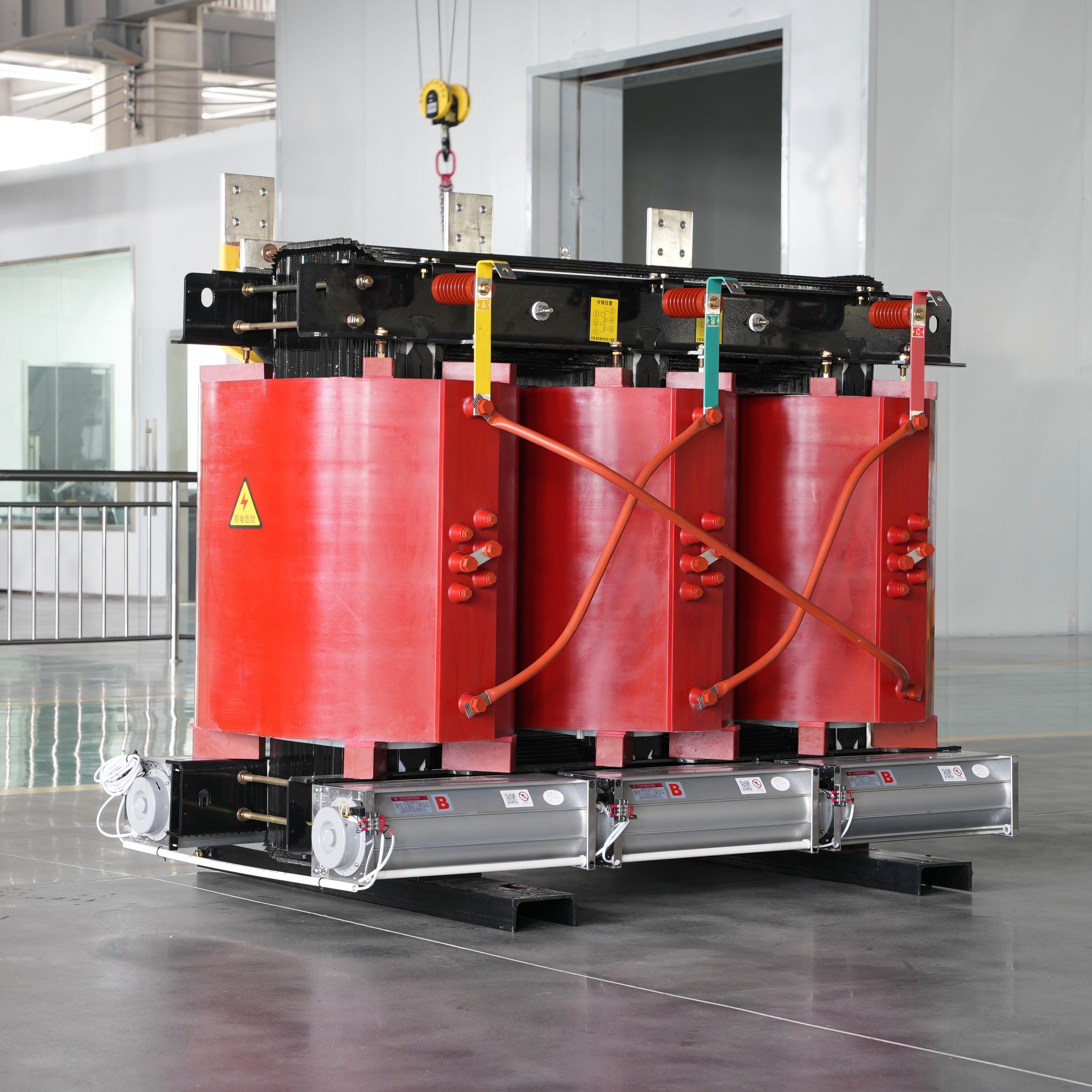
SC (B) series products are epoxy-cast non-excited voltage regulating dry transformers; This type is made of F-grade epoxy resin mixture with filler, a...
See Details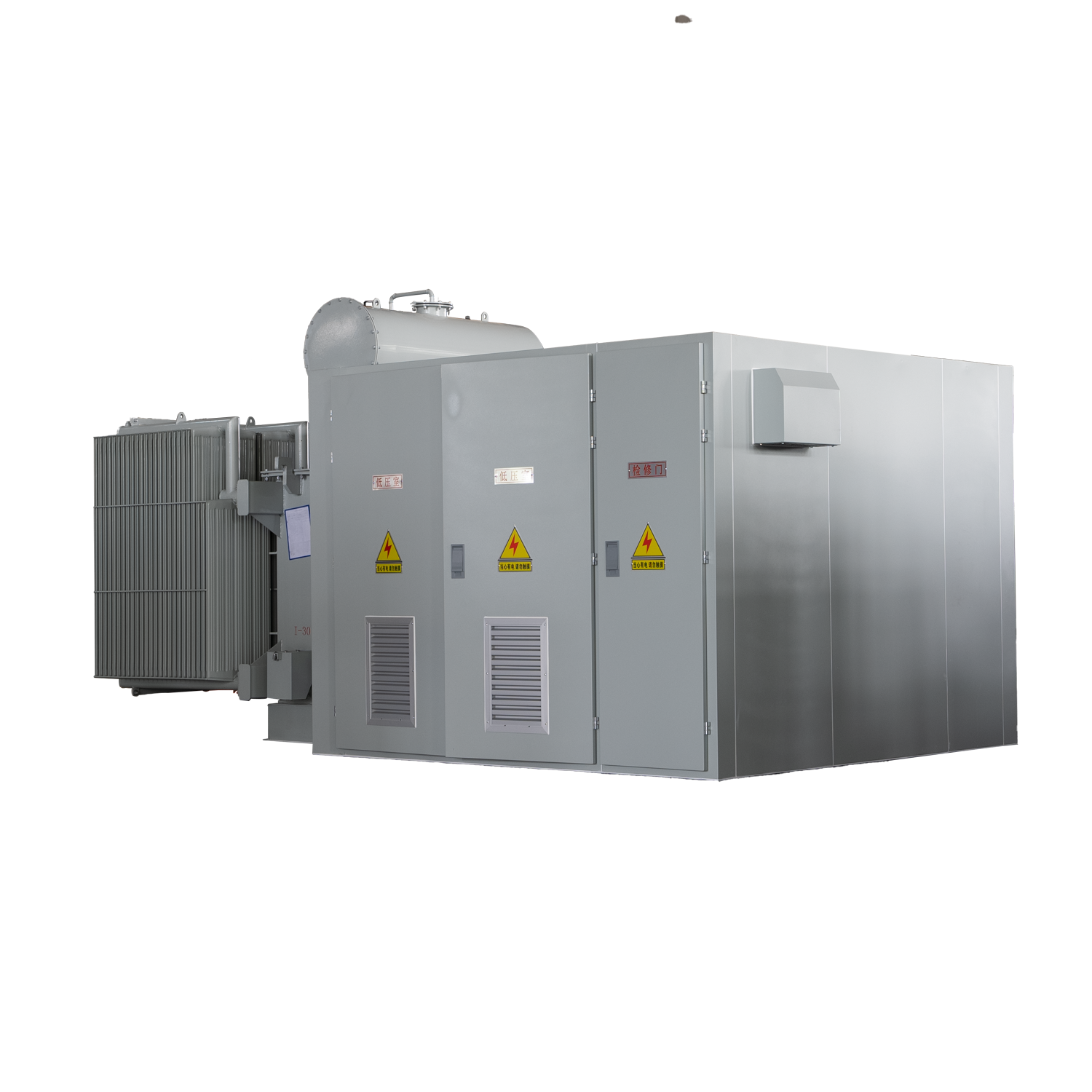
Product overview: Wind combined transformer series products for our company specially designed and developed for wind power generation products, wind ...
See Details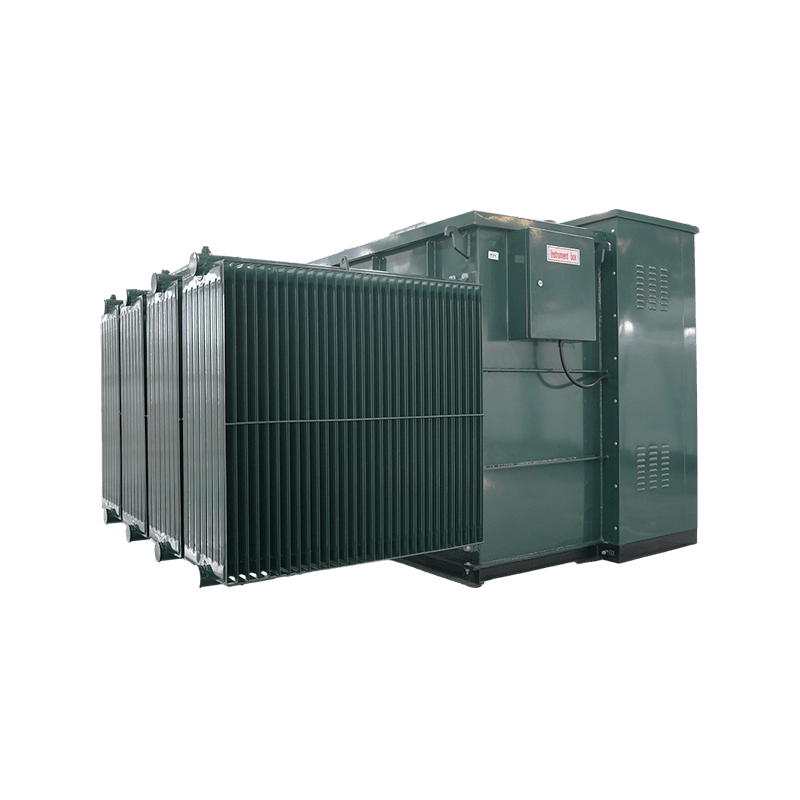
Product Overview: ZGS series combined transformer is a series of products developed according to the needs of urban multi-grid construction and develo...
See Details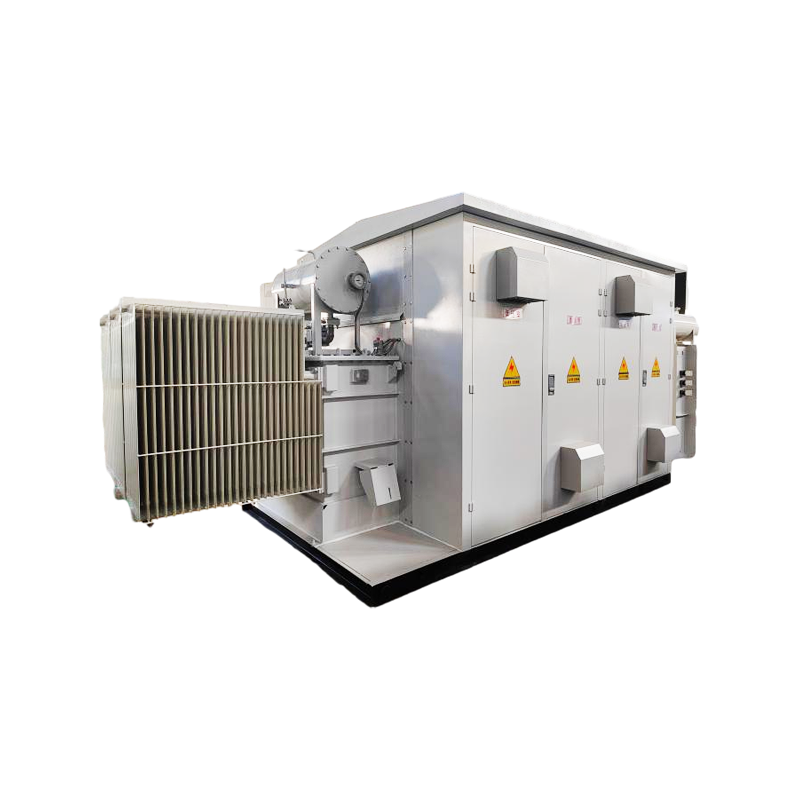
An energy storage box substation is a substation that integrates a traditional substation and energy storage system in a box. It is mainly composed of...
See Details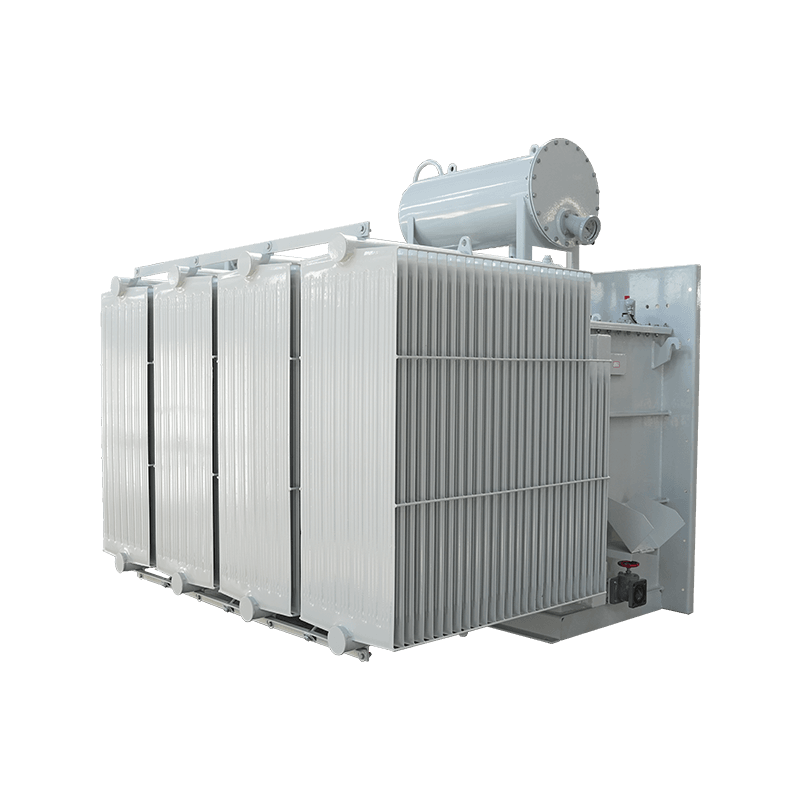
Product overview: Product ZGS series new energy combined transformer is to meet the growing requirements of photovoltaic power supply, our company in ...
See DetailsRequest for a call today




Contact Us