



 English
 中文简体
中文简体 русский
 Español
 عربى
عربىCat:European-Style Box Substation
Product overview: YB-type high-voltage/low-voltage pre-installed substation is a compact complete set of power distribution equipment that integrates ...
See DetailsWind power substations play an essential role in the integration of wind energy into the electrical grid. They act as a connection point between the wind farm, where electricity is generated, and the main power grid that distributes electricity to consumers. A wind power substation ensures the smooth transfer of electricity from the wind turbines to the grid, while maintaining the quality and stability of the power supplied. Given the intermittent nature of wind energy, these substations must include specialized equipment and systems to regulate voltage, control frequency, and manage fluctuations in power generation. Ensuring power quality and stability is vital for preventing disruptions and ensuring that the wind-generated electricity is usable and safe for the grid and end users.
The wind power substation is responsible for several key functions in power distribution. The primary role of the substation is to collect the electrical output from the wind turbines and transform the voltage to a level suitable for transmission over long distances. Wind turbines typically generate electricity at a relatively low voltage, so the substation uses transformers to step up the voltage before the electricity enters the high-voltage transmission lines. Once the electricity is at the appropriate voltage level, it can be distributed to the grid, where it will be transmitted to consumers.
In addition to stepping up voltage, wind power substations also have other critical functions, such as controlling the flow of electricity, ensuring the safe operation of the system, and improving the stability of power delivery. They are equipped with protective devices that prevent overvoltage, undervoltage, and other electrical faults, and can isolate problems to specific areas, thereby minimizing disruptions. These functions are important in ensuring that the electricity generated by wind turbines is reliable and consistent, even though wind energy itself is variable and unpredictable.
Voltage regulation is one of the most important aspects of power quality in wind power substations. Wind turbines generate electricity at a relatively low voltage, and the voltage can fluctuate depending on the wind conditions. To ensure that the voltage sent to the grid remains within acceptable limits, substations use voltage regulators and transformers. These devices monitor the voltage levels and make adjustments as necessary to keep the voltage stable. This is particularly important because if the voltage deviates too far from the standard range, it can damage equipment or disrupt the operation of the power grid.
Transformers in the substation play a key role in adjusting the voltage levels. They step up the low voltage generated by the wind turbines to a higher voltage suitable for transmission. Conversely, in some cases, the substation may also step down the voltage if needed, depending on the requirements of the grid. Voltage regulation ensures that the power supplied to the grid is of consistent quality, reducing the risk of damage to both the transmission lines and end-user equipment.
Maintaining the stability of the electrical frequency is another important aspect of power quality in wind power substations. Electrical systems typically operate at a fixed frequency, such as 50 Hz or 60 Hz, depending on the region. Wind energy, however, is inherently intermittent, as it depends on the availability and strength of the wind. This can lead to fluctuations in the amount of electricity being generated by the wind turbines, which in turn affects the frequency of the power being produced.
To address these fluctuations, wind power substations are equipped with frequency control mechanisms. These mechanisms, including synchronous condensers and frequency converters, help maintain the balance between the supply and demand of electricity. By monitoring the frequency of the electricity generated and adjusting it as needed, the substation ensures that the grid remains stable. Frequency control is essential because any deviation from the standard frequency can lead to instability in the grid, affecting the performance of sensitive equipment and even causing blackouts.
One of the challenges of wind power generation is that it is not constant. Wind speeds can vary, leading to changes in the amount of electricity generated. These fluctuations in power output can cause instability in the grid if not managed properly. Wind power substations are equipped with advanced monitoring and control systems that manage these fluctuations and ensure that the power supplied to the grid remains stable.
Load balancing is a key technique used to manage power fluctuations in wind energy systems. In a wind power substation, load balancing systems ensure that excess power generated during periods of high wind speeds is absorbed, while deficits during periods of low wind speeds are compensated for. This can involve storing excess energy in energy storage systems such as batteries or pumping stations, or it can involve drawing power from backup sources, such as conventional power plants. By balancing supply and demand, the substation helps to maintain the stability of the grid and ensures a consistent power supply to consumers.
To ensure that the power delivered to the grid remains of high quality, wind power substations are equipped with power quality monitoring systems. These systems continuously monitor various parameters, including voltage, current, frequency, and power factor, to ensure that they remain within the acceptable ranges. If any of these parameters deviate from the standard, the monitoring system will trigger alarms or initiate corrective actions to address the issue.
Power protection systems are another important feature of wind power substations. These systems include protective relays and circuit breakers that detect faults in the system, such as short circuits or overloads, and automatically disconnect the affected sections to prevent damage to equipment. These protection mechanisms help ensure the safety and stability of the wind power substation by isolating faults quickly and minimizing the impact on the rest of the grid.
The integration of wind power with the main electrical grid is one of the most significant challenges in ensuring power quality and stability. Wind energy is variable and sometimes unpredictable, so its integration requires advanced grid management systems that can handle these fluctuations. Wind power substations play a critical role in this integration by conditioning the power produced by the turbines before it is sent to the grid.
Modern wind power substations often include sophisticated power electronics, such as inverters and converters, that allow for the smooth integration of wind energy with the grid. These devices convert the direct current (DC) power generated by wind turbines into alternating current (AC) power, which is compatible with the grid. Additionally, these devices can adjust the phase and frequency of the power to match the grid requirements, ensuring that the wind-generated electricity can be delivered without causing instability or interference with the existing power supply.
The design of wind power substations plays a crucial role in ensuring power quality and stability. A well-designed substation includes a range of equipment and technologies that work together to manage power flow, regulate voltage, and maintain frequency. Key components of a wind power substation include transformers, circuit breakers, voltage regulators, power quality monitors, and control systems.
Transformers are used to step up or step down the voltage of the electricity generated by the wind turbines, while circuit breakers and relays protect the system from faults. Voltage regulators ensure that the voltage levels remain within acceptable ranges, and power quality monitoring systems continuously track key electrical parameters. Control systems, often based on SCADA (Supervisory Control and Data Acquisition) technology, allow operators to monitor the performance of the substation in real-time and make adjustments as needed to maintain stability.
The equipment used in wind power substations is selected based on the specific needs of the wind farm and the characteristics of the grid it is connected to. In regions with high wind variability, the substation may require more advanced load balancing and energy storage systems. In other cases, the focus may be on enhancing power quality and reducing harmonic distortion. Regardless of the design, the goal is to ensure that the power generated by the wind farm is delivered to the grid reliably and without compromising the stability of the overall system.
As the use of renewable energy sources like wind power continues to grow, there is an increasing focus on improving the efficiency and stability of wind power substations. One of the key trends in this area is the development of more advanced grid integration technologies, including energy storage systems, smart grids, and predictive analytics.
Energy storage systems, such as large-scale batteries, can help mitigate the intermittent nature of wind power by storing excess energy generated during periods of high wind activity and releasing it when generation is low. Smart grids, which use advanced communication and control systems, can better manage the distribution of renewable energy and quickly respond to changes in supply and demand. Predictive analytics, powered by artificial intelligence and machine learning, can improve forecasting of wind conditions and help operators optimize the performance of wind power substations, further enhancing their ability to manage power quality and stability.
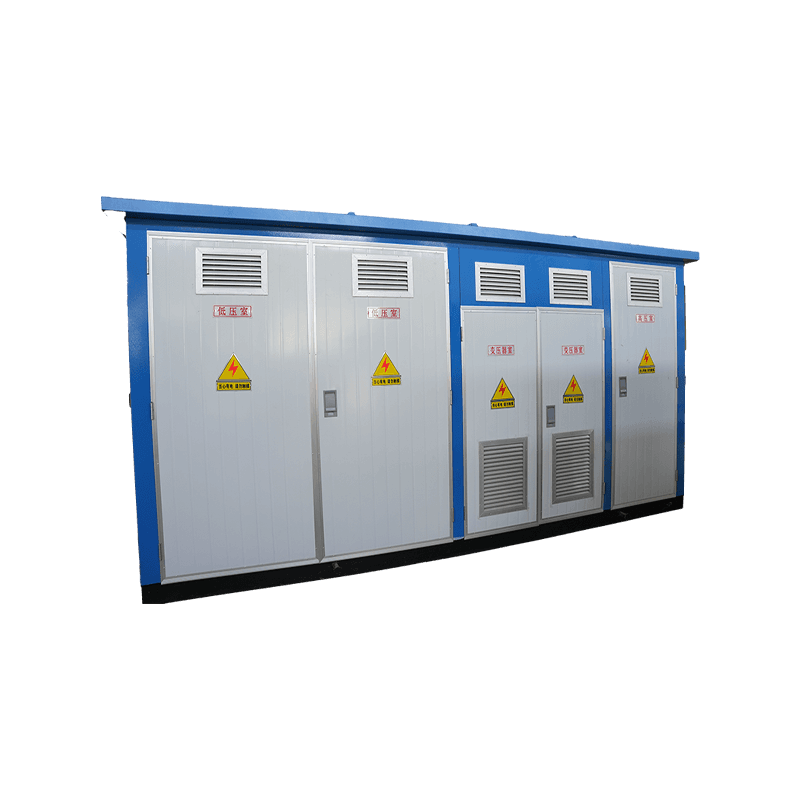
Product overview: YB-type high-voltage/low-voltage pre-installed substation is a compact complete set of power distribution equipment that integrates ...
See Details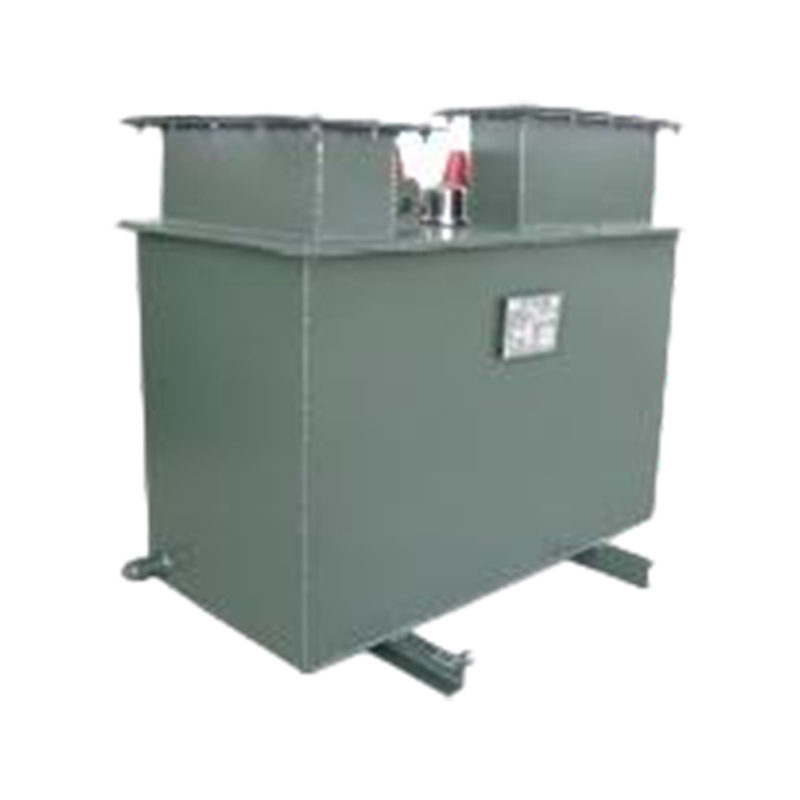
Product Overview: Underground transformer: a distribution transformer or combined transformer that can be installed in a pit. It is generally installe...
See Details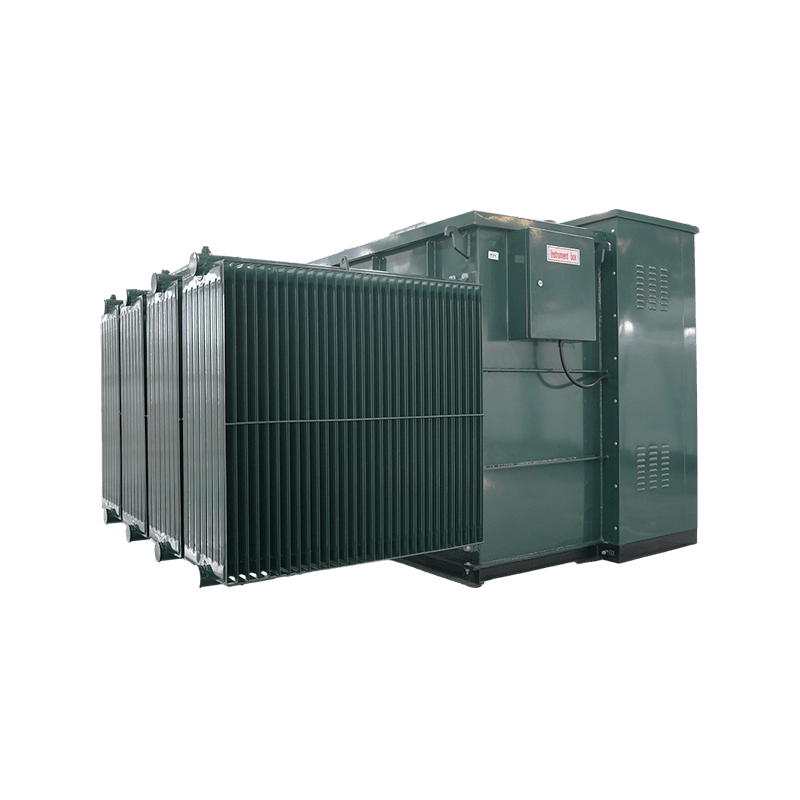
Product Overview: ZGS series combined transformer is a series of products developed according to the needs of urban multi-grid construction and develo...
See Details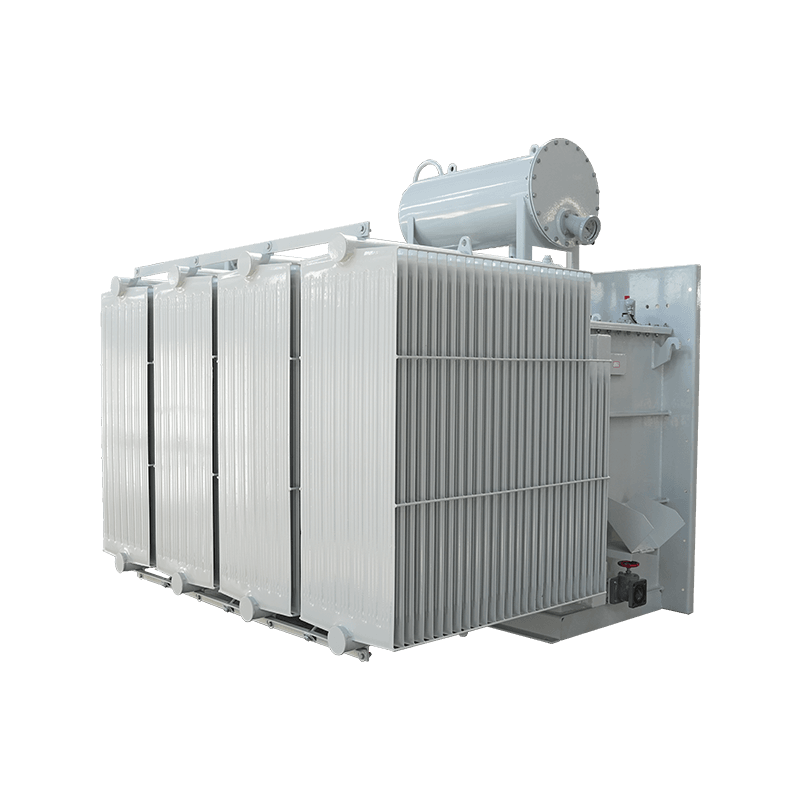
Product overview: Product ZGS series new energy combined transformer is to meet the growing requirements of photovoltaic power supply, our company in ...
See DetailsRequest for a call today






Contact Us