



 English
 中文简体
中文简体 русский
 Español
 عربى
عربىCat:European-Style Box Substation
Product overview: YB-type high-voltage/low-voltage pre-installed substation is a compact complete set of power distribution equipment that integrates ...
See DetailsMaximizing the electrical efficiency of modern electrical grids, power transformers, and electric vehicle traction motors requires strict control over electromagnetic core materials. A high-performance silicon steel coil serves as the backbone of electromagnetic energy conversion by optimizing magnetic permeability and minimizing energy dissipation through iron core losses. By precision-alloying refined iron with specific percentages of silicon, steel producers manipulate the crystalline lattice structure of the metal sheet, creating a specialized soft magnetic material that can switch its magnetic fields thousands of times per second with negligible heat generation.
The electrical engineering performance of silicon steel is governed directly by the orientation of its internal iron-silicon crystal grains. During hot and cold rolling processes, steel manufacturers alter the direction of these crystal structures to tailor the material for specific directional or multidirectional magnetic environments.
This structural engineering divides the global production of industrial electrical steel coils into two primary categories: Grain-Oriented (GO) and Non-Grain-Oriented (NGO) alloys. Selecting the correct metallurgical profile determines how efficiently magnetic flux travels through a wound or laminated core component.
CRGO steel undergoes a precise series of cold-rolling and high-temperature annealing steps to align its internal grains uniformly in the rolling direction, establishing a Goss texture configuration. This uniform alignment provides exceptionally high magnetic permeability and remarkably low core losses along the longitudinal axis of the strip. Because the magnetic flux path can be planned along a single direction, CRGO coil stock is the preferred material for high-capacity power transformers, distribution transformers, and large-scale generators where the magnetic field remains entirely stationary.
When a magnetic field continuously rotates in multiple directions, a directional grain structure becomes a liability rather than an advantage. CRNGO steel coils are processed to ensure that their internal crystals are distributed isotropically, meaning the grains point randomly in all directions. This structural randomness provides uniform magnetic properties across all 360 degrees of the plane. This uniform response is essential for rotating machinery, such as electric vehicle traction motors, home appliance compressors, and high-frequency alternators, where the magnetic flux vectors change angles constantly relative to the steel stator laminations.
Energy losses in electrical steel occur primarily through a phenomenon known as core loss (or iron loss), which represents the electrical energy converted into wasted heat within the magnetic core. Core loss is calculated as the sum of two distinct physical mechanisms: hysteresis loss and eddy current loss.
Hysteresis loss stems from the internal molecular friction generated when the microscopic magnetic domains flip directions to follow an alternating current (AC) cycle. Adding silicon to the iron matrix—typically at a concentration ranging from 2.5% to 3.5% by weight—alters the atomic lattice, significantly reducing the material's magnetic coercivity. This modification makes it much easier for the magnetic domains to realign, shrinking the area of the hysteresis loop and directly saving energy.
Eddy current losses are caused by circulating loops of electrical current induced inside the steel sheet by the rapidly changing magnetic field. The power dissipated by these eddy currents is governed by the following physical equation:
P_e = k × f² × B_max² × t² / ρ
Where $P_e$ represents eddy current power loss, $f$ is the frequency, $B_{max}$ is the peak magnetic flux density, $t$ is the sheet thickness, and $\rho$ is the electrical resistivity of the material. Adding silicon increases the electrical resistivity ($\rho$) of the iron matrix by more than 300% compared to pure carbon steel, which effectively blocks the paths of these induced currents and reduces overall heat generation. Furthermore, minimizing the sheet thickness ($t$) down to ultra-thin profiles exponentially reduces these losses, making thin-gauge laminations highly desirable for high-frequency operations.
Industrial equipment designs require matching the grade and thickness of the silicon steel strip to the exact operating frequency and target efficiency of the machine. For instance, high-frequency electric vehicle motors operating at 400 Hz require significantly thinner steel sheets than standard power grid transformers operating at 50 Hz.
The table below evaluates varying commercial grades of silicon steel coil stock, outlining their structural thickness profiles, polarization metrics, and maximum allowable core loss values under standard testing conditions:
| Steel Grade & Type | Nominal Sheet Thickness | Max Core Loss at 50Hz / 1.5T (W/kg) | Max Core Loss at 400Hz / 1.0T (W/kg) | Minimum Magnetic Induction (B8) |
|---|---|---|---|---|
| Premium High-Permeability CRGO | 0.23 mm (0.009") | 0.75 W/kg | Not Applicable (Fixed Grid) | 1.92 Tesla |
| Standard Power Grade CRGO | 0.30 mm (0.012") | 0.95 W/kg | Not Applicable (Fixed Grid) | 1.88 Tesla |
| Ultra-Thin High-Freq CRNGO | 0.20 mm (0.008") | 2.10 W/kg | 14.0 W/kg | 1.65 Tesla |
| Standard Motor Grade CRNGO | 0.50 mm (0.020") | 3.60 W/kg | 26.0 W/kg | 1.68 Tesla |
A silicon steel coil must feature a uniform surface insulation layer applied directly to both sides of the metal strip. Without this thin barrier, laminations would make direct electrical contact when stacked together to build a core, allowing large eddy currents to flow freely across the entire core block and causing catastrophic thermal failure.
Industrial production plants typically apply inorganic or mixed organic-inorganic coatings, such as a Carlite phosphate chemical finish. This specialized coating is applied as a liquid film and then baked at high temperatures to form an ultra-thin insulation layer, usually measuring between 1 and 3 microns thick. This micro-layer delivers excellent dielectric strength while occupying minimal space, ensuring a high stacking factor of over 97%. This high density maximizes the volume of active magnetic iron packed inside the core, optimizing performance.
Beyond electrical insulation, the surface coating acts as a vital lubricant during high-speed manufacturing stamping processes. A properly formulated phosphate or chromate coating reduces friction against progressive die surfaces, which extends tool lifespan by up to 300% and helps prevent the formation of edge burrs during high-speed stamping operations.
Converting a wide master silicon steel coil into narrow strips for stamping or winding requires a highly controlled, high-precision slitting workflow. Because electrical steel is physically brittle and sensitive to mechanical stress, poor processing practices can permanently degrade its magnetic performance.
When a finished electrical transformer or traction motor displays core losses that exceed its design blueprints, the issue can often be traced back to material handling defects or mechanical damage introduced during core assembly.
A common problem is interlaminar insulation shorting, where eddy currents bypass the surface coatings and spike heat generation. This failure mode typically occurs if laminations are stamped using worn, dull dies that drag metal burrs across the sheet edges, bridging the gaps between layers. To correct this issue, maintenance teams must grind or replace the stamping dies to restore clean shear cuts, and use chemical etching solutions to strip away loose metal slivers from compromised core edges.
Another subtle issue stems from core degradation caused by excessive physical clamping force during core building. Because silicon steel is magnetostrictive—meaning its physical dimensions change slightly during magnetization—applying excessive pressure to the core sheets locks the crystal domains in place. This restriction increases the energy required to flip the magnetic fields, causing a noticeable spike in hysteresis losses. To prevent this issue, assembly technicians must utilize calibrated torque wrenches and insert compliant, vibration-damping insulation pads, keeping clamping pressures tightly within engineering limits.
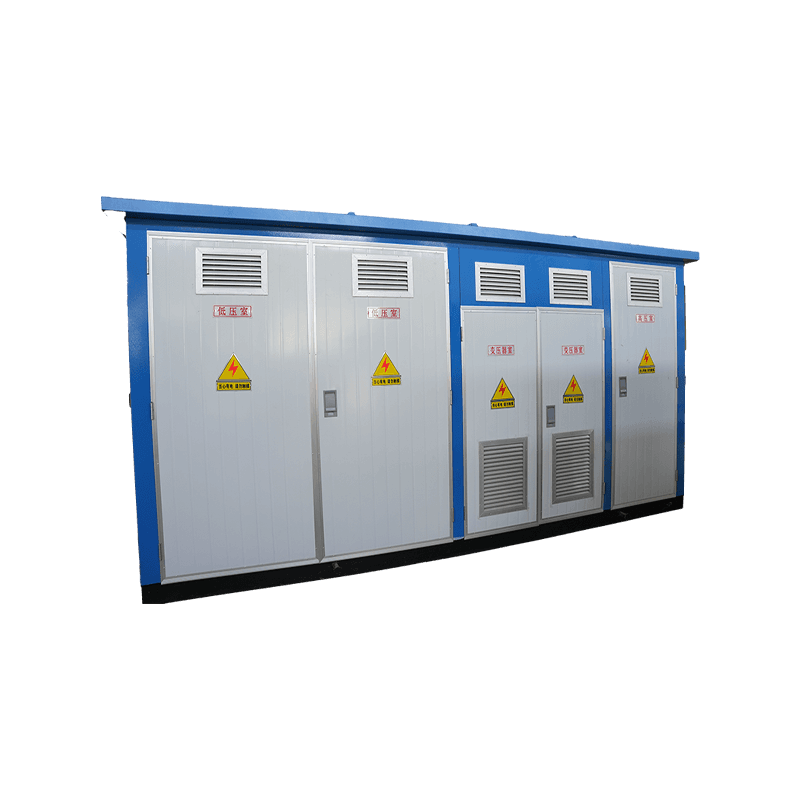
Product overview: YB-type high-voltage/low-voltage pre-installed substation is a compact complete set of power distribution equipment that integrates ...
See Details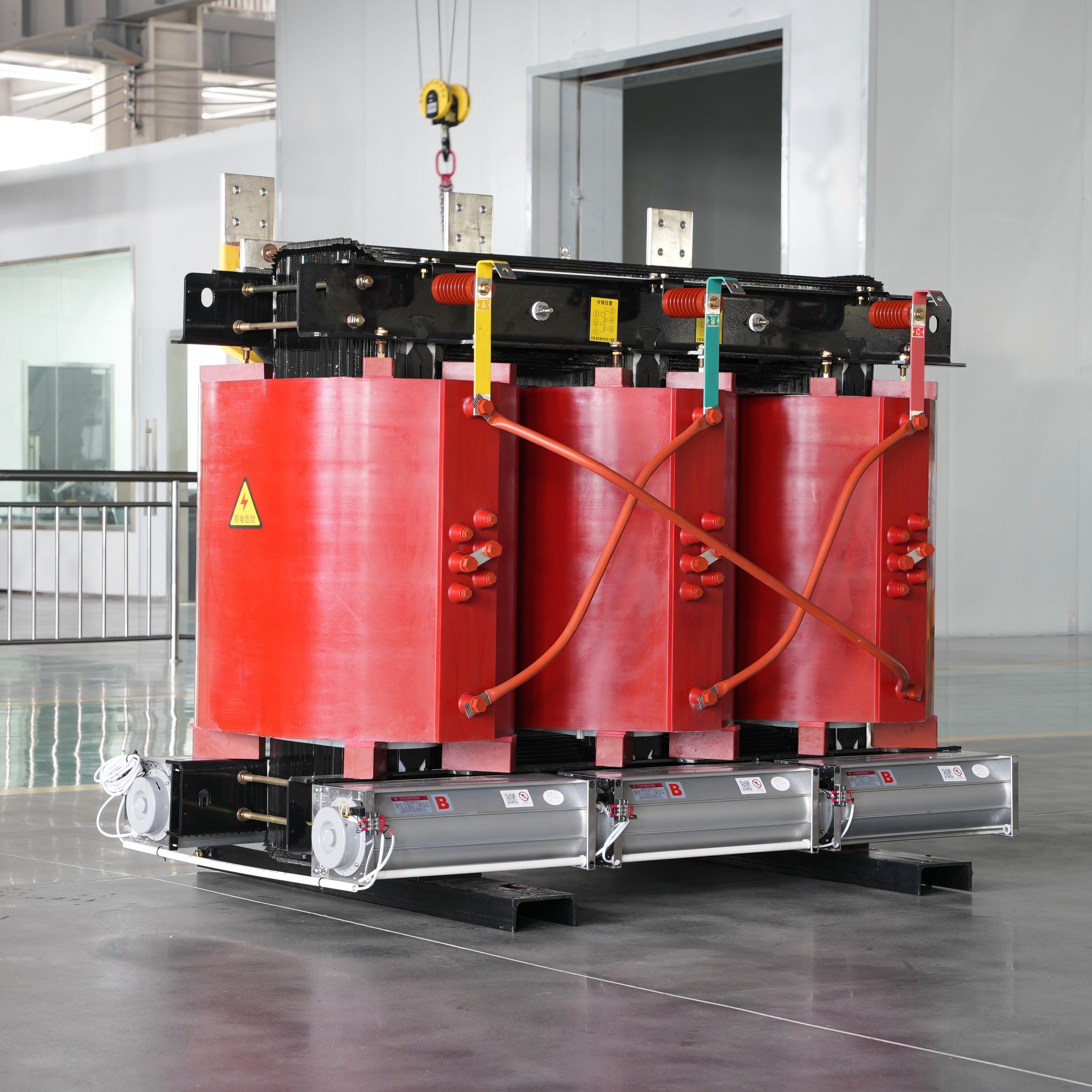
SC (B) series products are epoxy-cast non-excited voltage regulating dry transformers; This type is made of F-grade epoxy resin mixture with filler, a...
See Details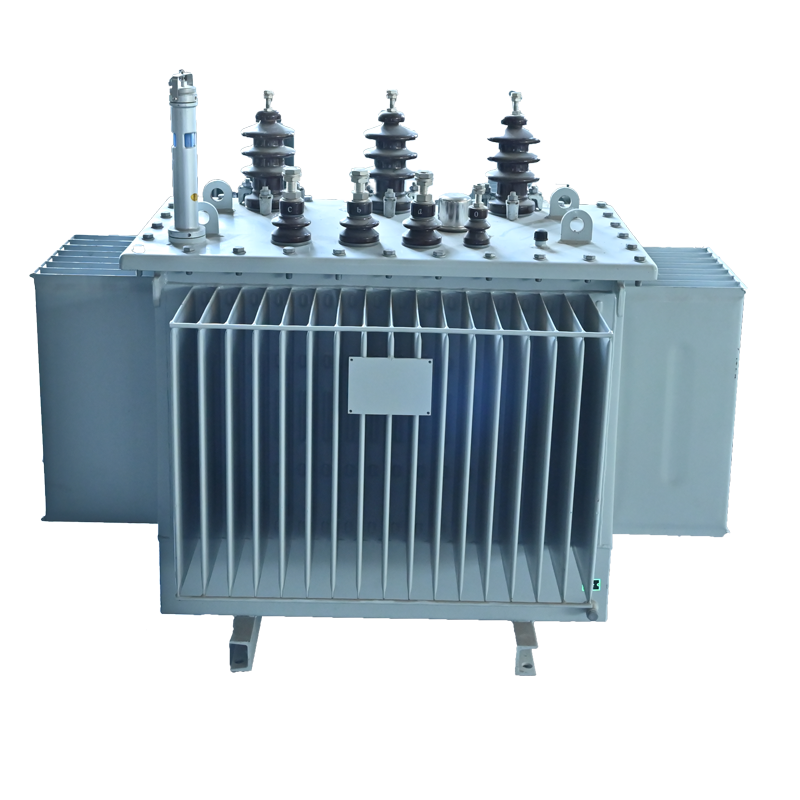
Product Overview: The S22-M iron core is made of high-quality cold-rolled silicon steel sheet, the domestic advanced cross shear line, small shear bur...
See Details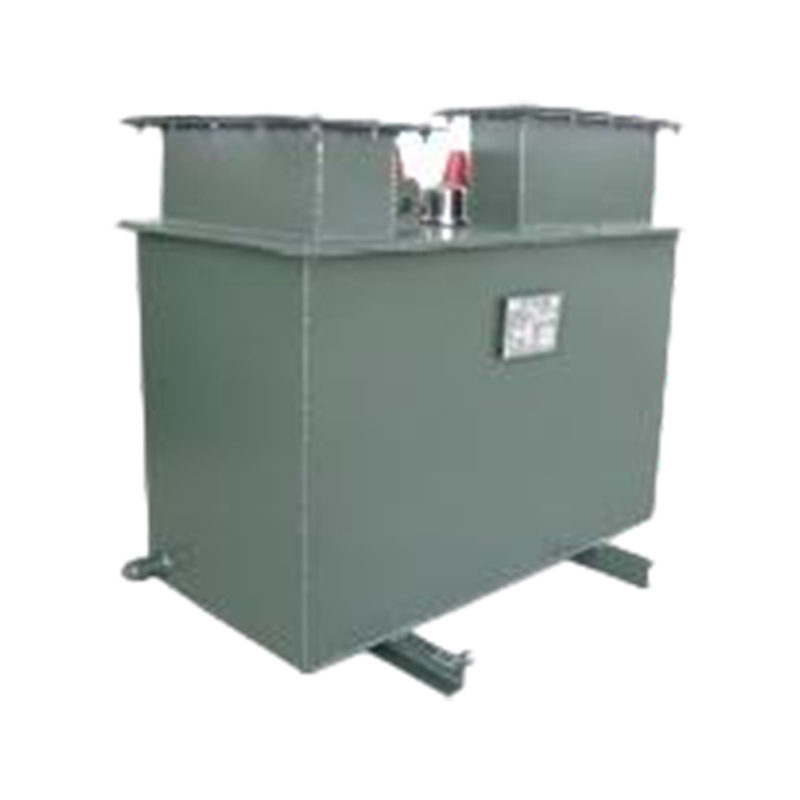
Product Overview: Underground transformer: a distribution transformer or combined transformer that can be installed in a pit. It is generally installe...
See Details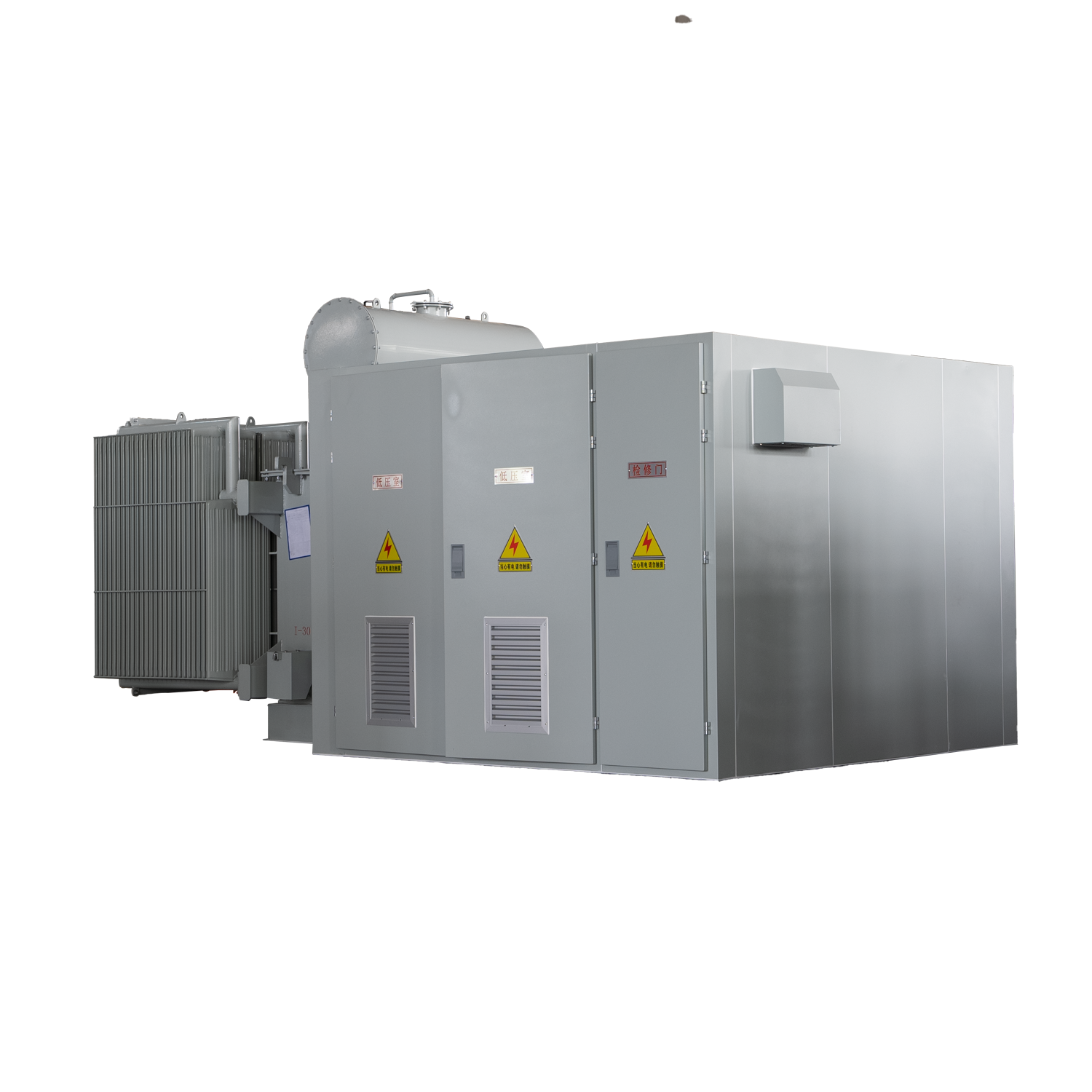
Product overview: Wind combined transformer series products for our company specially designed and developed for wind power generation products, wind ...
See Details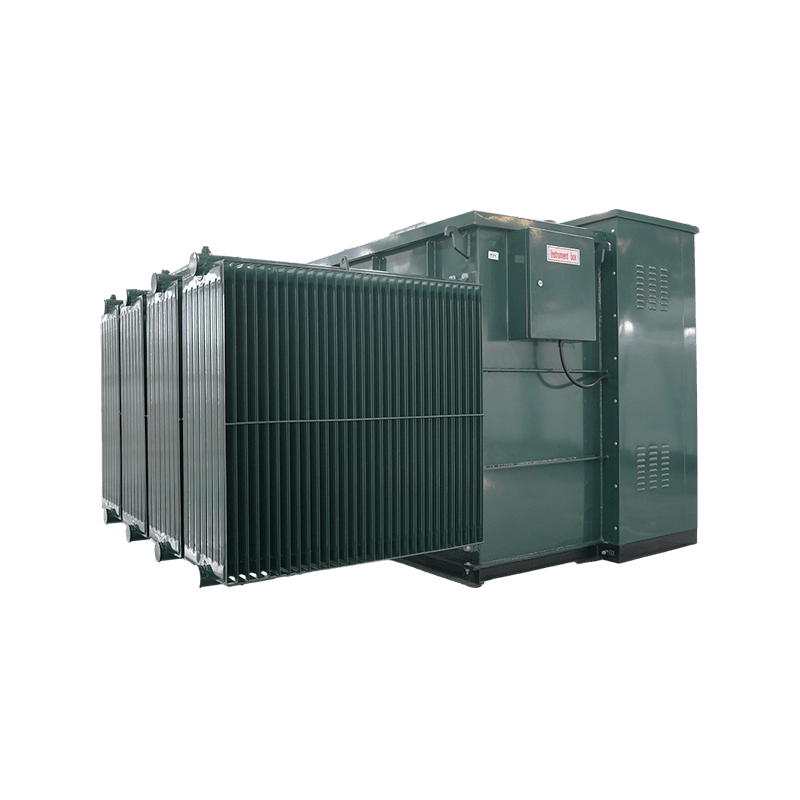
Product Overview: ZGS series combined transformer is a series of products developed according to the needs of urban multi-grid construction and develo...
See Details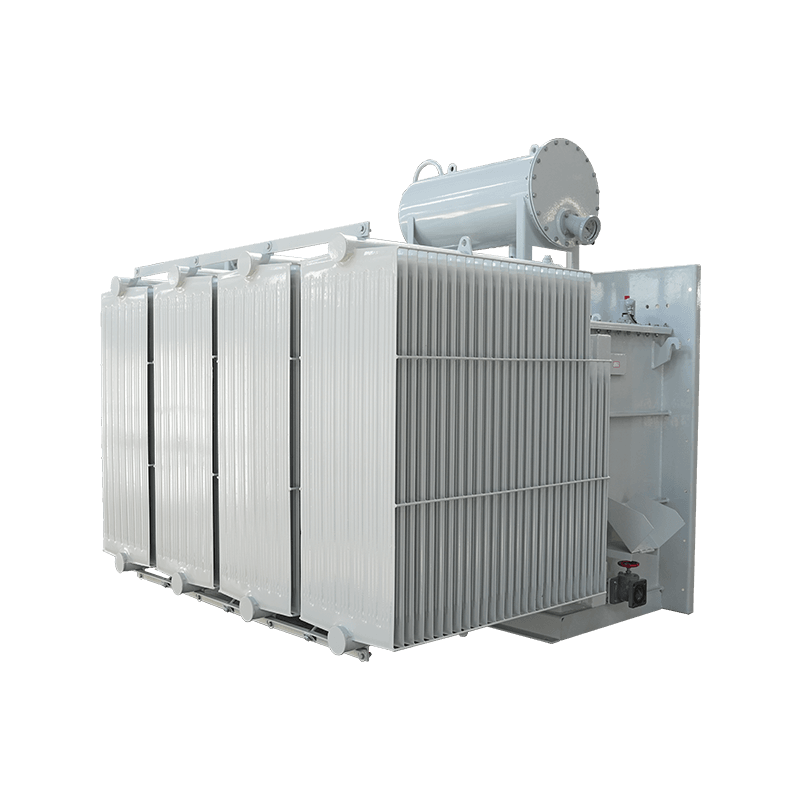
Product overview: Product ZGS series new energy combined transformer is to meet the growing requirements of photovoltaic power supply, our company in ...
See DetailsRequest for a call today




Contact Us