



 English
 中文简体
中文简体 русский
 Español
 عربى
عربىCat:Underground Box Substation
Product overview:All-buried box-type substation (referred to as all-buried box-type transformer) is a new generation of box-type transformer newly dev...
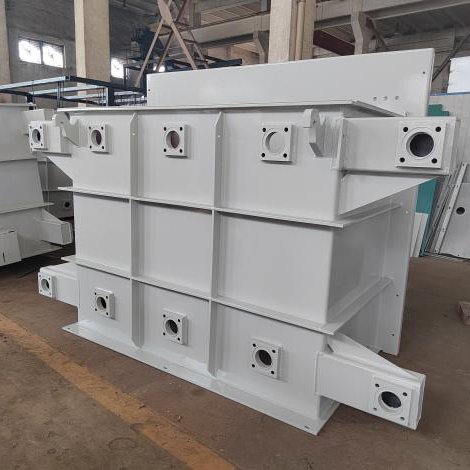
See DetailsThe operational reliability and step-up or step-down voltage transmission capacity of modern electrical utility grids depend fundamentally on the design and structural integrity of the power transformer. Operating as a critical electromagnetic node, a high-voltage power transformer transfers massive blocks of alternating current (AC) energy between isolated circuits via magnetic induction without changing the operational grid frequency. Achieving an optimized system requires managing severe internal thermodynamic gradients, blocking destructive electromagnetic forces during external short circuits, and maintaining flawless dielectric insulation boundaries within the main fluid tank assembly to prevent catastrophic arc flashovers.
The architectural foundation of a power transformer is centered on its magnetic core structure, which provides a low-reluctance magnetic pathway to couple the primary and secondary copper or aluminum windings. The core does not generate energy but transforms electrical current into magnetic flux lines and then shifts that flux back into electrical energy.
Industrial manufacturing utilizes high-permeability, cold-rolled grain-oriented (CRGO) silicon steel laminations to assemble this path. Individual steel sheets are rolled down to precise thin-gauge steps, typically ranging from 0.23 mm to 0.30 mm in thickness, to combat internal eddy current loops. Each lamination layer is coated with an ultra-thin inorganic insulating mineral finish to block inter-sheet electrical conduction, ensuring that the total core assembly achieves an optimal magnetic stacking factor exceeding 96%.
The structural arrangement of the steel laminations relative to the high-voltage and low-voltage coils defines the basic mechanical category of the apparatus:
As utility designs cross into high-voltage bounds, such as 110 kV, 220 kV, or 500 kV, preventing electrical arc-overs across short internal spaces becomes a critical engineering focus. The internal insulation blueprint relies on a composite solid-liquid insulation barrier system.
The solid insulation matrix consists of highly refined cellulose pressboards, spacer blocks, and unbleached kraft paper wrapped tightly around individual copper conductors. To achieve high dielectric strength, this entire solid assembly undergoes a multi-day vacuum thermal drying chamber sequence to strip out lingering moisture down to a strict threshold of under 0.5% moisture by weight. Moisture trapped inside paper pores lowers the flashover limit and can cause internal bubbles when the transformer heats up under heavy loads, potentially leading to immediate dielectric breakdown.
Once dried, the tank is flooded with a specialized hydrocarbon mineral oil or synthetic ester fluid under a high vacuum. This dielectric fluid serves a crucial dual purpose: it penetrates every open pore of the cellulose paper to build an ultra-high breakdown barrier (typically exceeding 60 kV across a standard 2.5 mm test gap), and it acts as a fluid heat-transfer medium that carries thermal energy away from the hot coils out to the external cooling radiators.
Substation planners must match the structural cooling design, winding connections, and capacity ratings of the power transformer to the exact voltage demands of the transmission grid. Miscalculating the thermal cooling configuration or impedance values can cause severe overheating or destabilize the voltage profile of downstream distribution lines.
The table below evaluates four standard industrial classes of power transformers, outlining their power capacities, voltage parameters, and cooling methods:
| Transformer Functional Class | Apparent Power Capacity Range | Primary Voltage Thresholds | Standard Coolant Classification | Target Percentage Impedance |
|---|---|---|---|---|
| Generation Step-Up (GSU) Block | 250 MVA to 1000 MVA | 22 kV to 500 kV | OFAF / ODAF (Forced Oil / Air) | 12.0% to 15.0% |
| Bulk Transmission Intertie Node | 100 MVA to 500 MVA | 161 kV to 400 kV | ONAF / OFAF (Natural / Forced) | 10.0% to 12.5% |
| Primary Substation Step-Down | 25 MVA to 90 MVA | 66 kV to 138 kV | ONAN / ONAF (Natural Oil) | 7.5% to 10.0% |
| Heavy Industrial Furnace Duty | 10 MVA to 60 MVA | 11 kV to 33 kV | OFWF (Forced Oil / Water) | 15.0% to 20.0% |
Even high-efficiency power transformers, which often operate at around 99% conversion efficiency, convert the remaining 1% of lost electrical energy into a massive amount of concentrated heat. This thermal energy is generated primarily by $I^2R$ copper losses in the winding strands and magnetic hysteresis losses within the silicon steel sheets.
To prevent the hot internal conductors from reaching the critical degradation temperature of the cellulose insulation—set strictly at a maximum hotspot threshold of 110°C (230°F)—engineers utilize multi-stage cooling mechanisms. These setups start with basic natural oil convection channels (ONAN), but as load levels climb, the control systems activate external fan banks to drive air across the radiator fins (ONAF). For the largest generation units, integrated pumps are added to force oil under pressure directly through internal cooling ducts built right into the winding coils (OFAF), keeping temperatures stable under high loads.
As oil heats up during peak load hours, its volume expands significantly. A separate overhead conservator tank handles this extra fluid volume, providing a safe expansion space above the main tank line. This expansion tank uses an internal rubber air bladder or a desiccant silica gel breather to ensure that moisture-laden ambient air never makes direct contact with the internal insulating oil surface, preserving its dielectric properties.
Moving a large power transformer from a factory floor to a permanent concrete substation pad requires an organized, multi-step field engineering process to ensure structural safety.
When a power transformer encounters internal electrical or thermal faults, the chemical bonds of the fluid insulation crack, releasing tiny amounts of dissolved gases into the mineral oil.
Maintenance teams track these shifts using Dissolved Gas Analysis (DGA) sampling routines. By monitoring the exact ratios of tracer gases, technicians can accurately diagnose hidden internal problems without turning off or opening the transformer tank. For example, detecting high levels of methane ($CH_4$) points to a localized thermal hotspot in the steel core laminations. If the analysis reveals a sudden jump in acetylene , it indicates high-energy electric arcing inside the tank, signaling a severe insulation failure that requires pulling the transformer offline immediately to avoid an explosive tank failure.
The table below details critical fault gas thresholds and their associated physical system conditions:
| Detected Gas Component | Typical Concentration Threshold | Indicated Internal Anomalies |
|---|---|---|
| Hydrogen | > 100 ppm | Low-energy corona discharges, partial insulation tracking |
| Acetylene | > 1 ppm (Critical) | High-energy electrical arcing, short circuit across winding loops |
| Ethylene | > 50 ppm | Severe overheating of oil, hotspots exceeding 300°C |
| Carbon Monoxide | > 350 ppm | Thermal degradation of cellulose papers, structural aging |
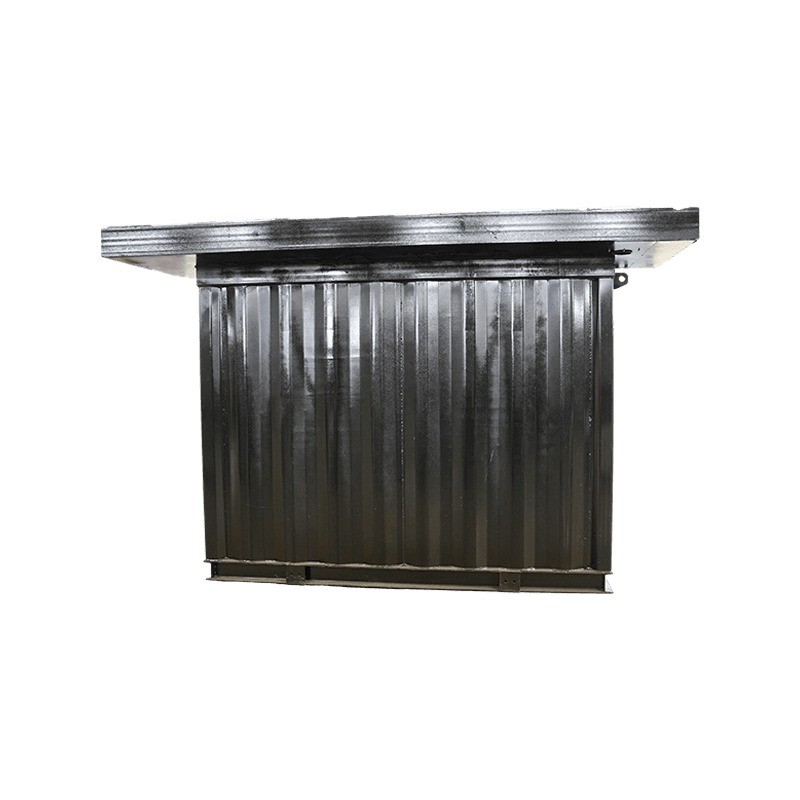
Product overview:All-buried box-type substation (referred to as all-buried box-type transformer) is a new generation of box-type transformer newly dev...
See Details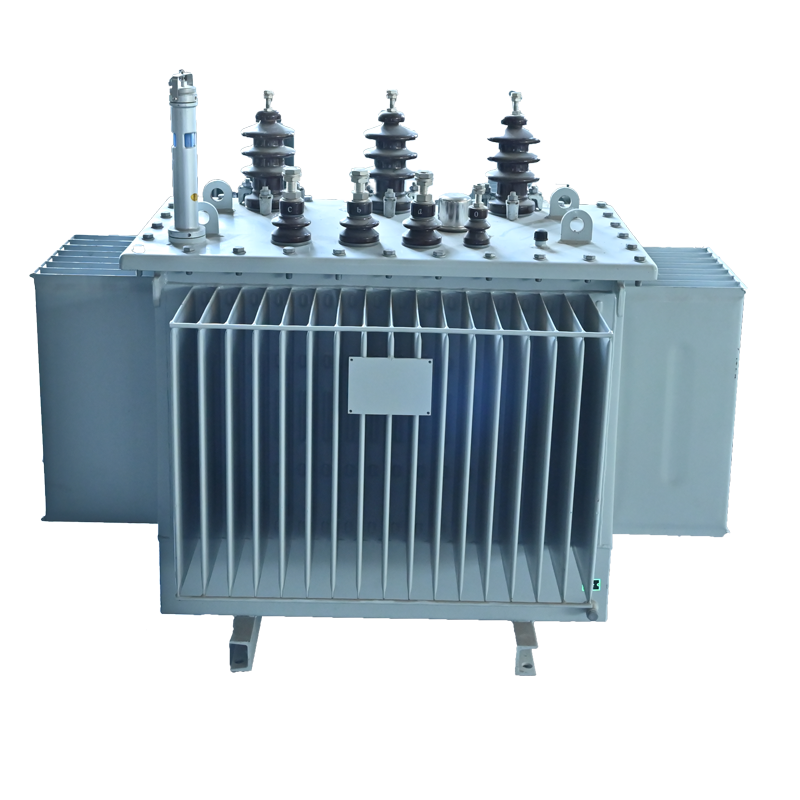
Product Overview: The S22-M iron core is made of high-quality cold-rolled silicon steel sheet, the domestic advanced cross shear line, small shear bur...
See Details
Product overview: Pipe corridor transformer is the abbreviation of "urban underground pipeline comprehensive corridor", that is, the construction of a...
See Details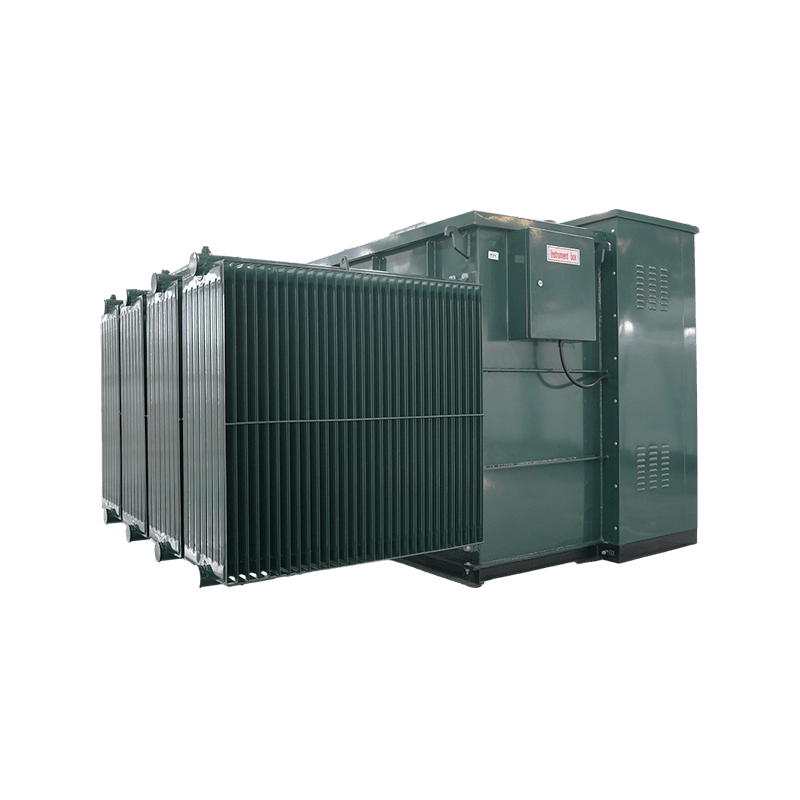
Product Overview: ZGS series combined transformer is a series of products developed according to the needs of urban multi-grid construction and develo...
See Details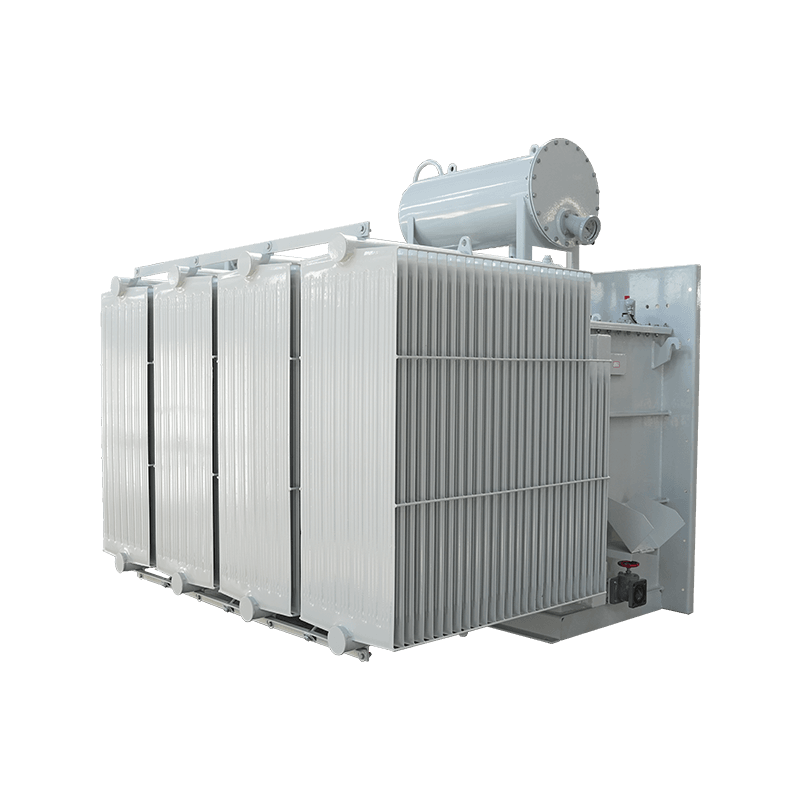
Product overview: Product ZGS series new energy combined transformer is to meet the growing requirements of photovoltaic power supply, our company in ...
See DetailsRequest for a call today






Contact Us