



 English
 中文简体
中文简体 русский
 Español
 عربى
عربىCat:American-Style Box Substation
Product Overview: ZGS series combined transformer is a series of products developed according to the needs of urban multi-grid construction and develo...
See DetailsThe transformer assembly process plays a critical role in ensuring the functionality and longevity of transformers used in electrical power systems. Transformers are essential components in power distribution and transmission networks, responsible for converting voltage levels to ensure efficient power flow. The quality control (QC) during transformer assembly is fundamental for ensuring that these devices meet industry standards and perform optimally under various conditions.
Transformers are complex devices made up of multiple components such as the core, windings, insulation materials, tap changer, and bushings. The assembly process involves assembling these parts into a fully functional unit. The core is typically made from laminated steel sheets, which are stacked to minimize energy losses. The windings are made from copper or aluminum conductors and are wound around the core to form primary and secondary coils. Insulation is used to prevent short circuits between windings and to isolate the transformer from external electrical sources. The assembly process also includes the installation of bushings, tap changers, cooling systems, and protective devices, all of which must be installed with high precision to ensure safe operation.
Quality control is essential at every stage of transformer assembly to ensure that the finished product meets all performance requirements. The main stages in transformer assembly include the preparation of materials, the assembly of the core and windings, insulation, tank fabrication, filling of oil or other insulating liquids, electrical connections, and final testing. Each of these stages requires rigorous attention to detail and monitoring to identify any defects or deviations from the specified standards. Quality checks at each stage ensure that the components are correctly assembled, and any potential issues can be addressed before they affect the transformer’s performance.
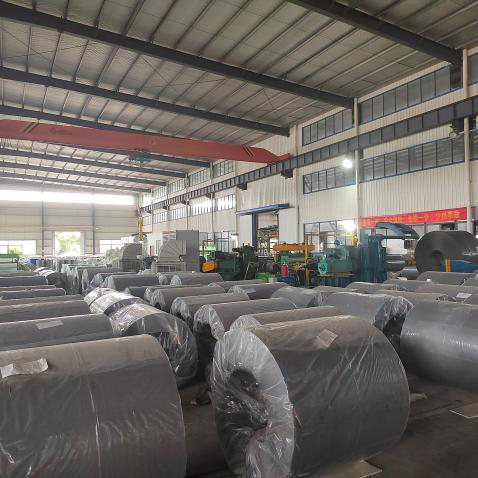
Before the assembly of the transformer begins, quality control starts with the selection and inspection of materials. The quality of raw materials, such as steel sheets for the core, copper or aluminum wire for the windings, and insulation materials, directly influences the performance and durability of the final product. Materials should be sourced from reputable suppliers who meet established quality standards. Inspecting the materials before use ensures they conform to specifications such as thickness, conductivity, and insulation properties. This early inspection helps identify defects that could compromise the assembly process or the transformer’s functionality in the long term. Proper storage conditions are also essential to prevent any deterioration of materials before assembly.
The core and winding assembly is one of the most critical aspects of transformer manufacturing. The core is the heart of the transformer, and any deviation in its construction can lead to inefficiency or overheating. Quality control during the assembly of the core involves checking the alignment of the laminated steel sheets to ensure they are stacked properly and bonded securely. The dimensions and gaps between the sheets should be checked to prevent energy losses due to improper alignment. The windings must also be carefully inspected to ensure that they are wound evenly and tightly around the core. Any imperfections in the winding, such as gaps or short circuits, can lead to transformer failure. Automated inspection systems are often used to monitor the winding process, ensuring that they meet precise specifications.
Once the core and windings are assembled, the next stage is to apply insulation to prevent electrical short circuits and ensure that the transformer operates safely. Insulation materials such as paper, oil, or synthetic polymers must be carefully chosen for their electrical and thermal properties. Quality control during this phase involves verifying that the insulation is applied evenly and that there are no gaps or wrinkles that could compromise its insulating properties. After the insulation is applied, the transformer tank is fabricated to house the core, windings, and insulation. The tank must be sturdy enough to withstand high pressure and provide adequate cooling. The tank’s welds and joints are inspected for any potential leaks or weaknesses that could lead to oil leakage or loss of cooling efficiency.
Once the tank is fabricated, the transformer is filled with oil or another insulating liquid, which plays a crucial role in cooling and electrical insulation. The oil must be of high purity and free of contaminants to ensure the transformer’s safe operation. Quality control at this stage involves checking the oil’s viscosity, dielectric strength, and moisture content. The oil is carefully pumped into the transformer tank, and the process is monitored for any leaks or air bubbles, which can indicate issues with the tank’s integrity or the oil filling process. The oil level is also checked to ensure that it meets the manufacturer’s specifications for proper cooling and insulation.
After the core, windings, and oil have been installed, the electrical connections must be made. These connections are crucial for the transformer’s functionality and must be free from any defects that could cause electrical shorts or poor conductivity. Quality control during this stage involves inspecting the electrical connections, ensuring that they are properly tightened and insulated. Any loose connections or improper contact points can lead to overheating or transformer failure. Additionally, other components such as tap changers, bushings, and cooling systems must be carefully installed and tested. Each component must be aligned and securely fastened to prevent malfunction during operation. Monitoring devices, such as temperature sensors and pressure gauges, are also installed at this stage to provide ongoing feedback during the transformer’s operation.
After the assembly is complete, the transformer undergoes a series of final tests to ensure that it meets all performance and safety standards. These tests typically include electrical tests, insulation tests, and load tests. Electrical tests are conducted to check the transformer’s ability to handle voltage levels without failure, while insulation tests ensure that there are no leaks or breakdowns in the insulating materials. Load tests are performed to simulate real-world operating conditions and ensure that the transformer can handle the electrical load it is designed for without overheating or malfunctioning. These tests are critical in identifying any potential issues that may not have been evident during the assembly process. All test results are documented, and if any issues are identified, corrective actions are taken to resolve them.
Ensuring quality during the transformer assembly process is not only about having the right tools and equipment; it also requires skilled workers who understand the importance of quality control. Employees involved in the assembly process must be thoroughly trained in the proper assembly techniques, inspection procedures, and the use of quality control equipment. This training helps prevent mistakes and ensures that workers can identify potential issues before they become major problems. Employee involvement is also essential in creating a culture of continuous improvement, where feedback from workers is used to refine processes and enhance the overall quality of the assembly process. Regular audits and refresher training sessions are also crucial to keep workers up to date on best practices and new industry standards.
Quality control during the transformer assembly process is not a one-time event but an ongoing effort. Continuous monitoring of the production process is essential for identifying areas for improvement. This can be achieved through regular inspections, data collection, and feedback from the assembly line. Advanced technologies, such as automated inspection systems and real-time data analytics, can help monitor the assembly process more efficiently, providing instant feedback on any deviations from the standards. Furthermore, the results of the final tests can be analyzed to identify trends in failures or performance issues, allowing for adjustments to be made in the design or assembly process to prevent future problems. Regular audits and evaluations of the entire manufacturing process also contribute to the overall quality control strategy, ensuring that transformers are consistently produced to meet or exceed industry standards.
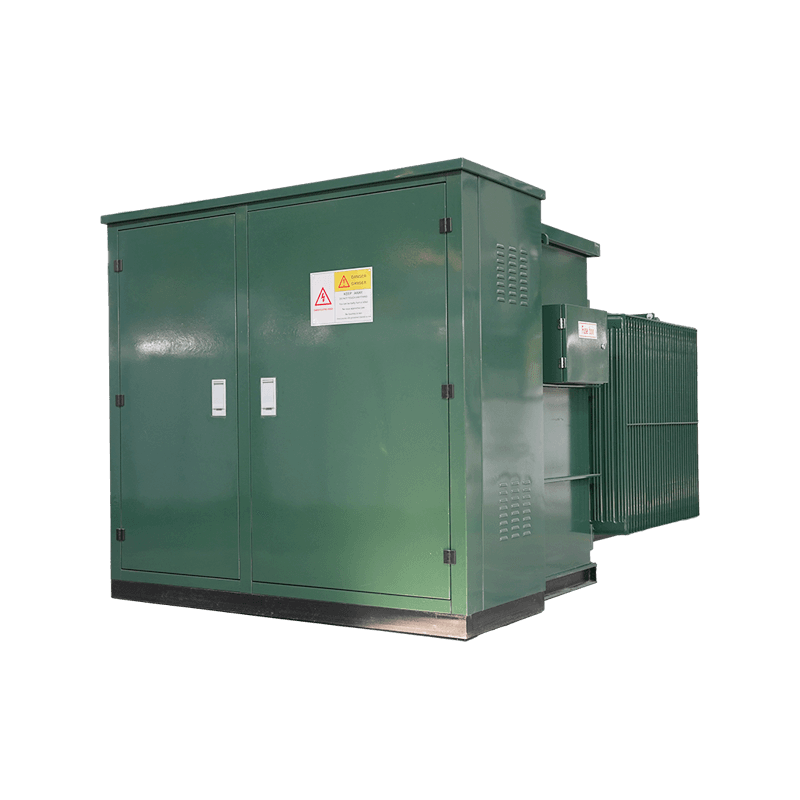
Product Overview: ZGS series combined transformer is a series of products developed according to the needs of urban multi-grid construction and develo...
See Details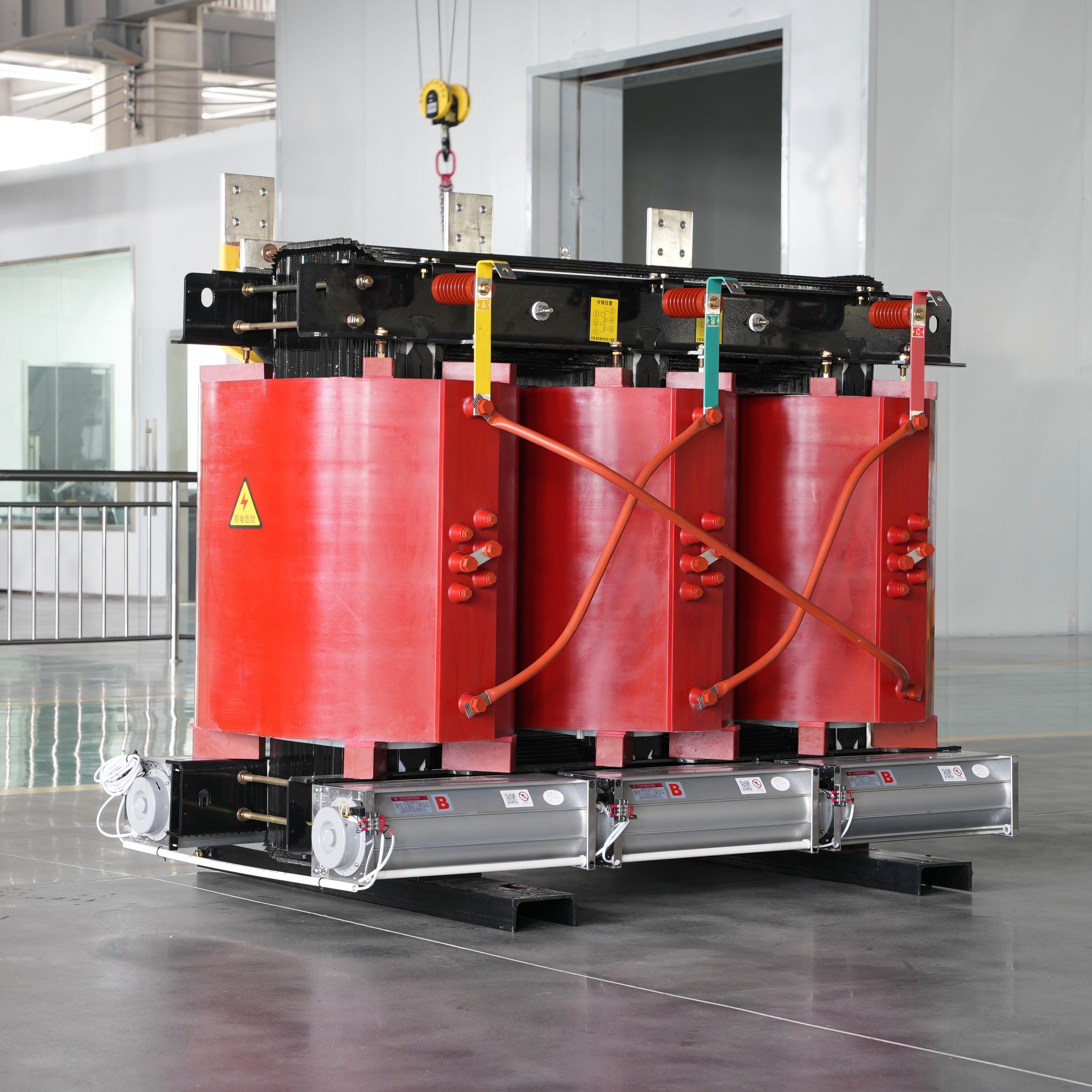
SC (B) series products are epoxy-cast non-excited voltage regulating dry transformers; This type is made of F-grade epoxy resin mixture with filler, a...
See Details
Product Overview: Underground transformer: a distribution transformer or combined transformer that can be installed in a pit. It is generally installe...
See Details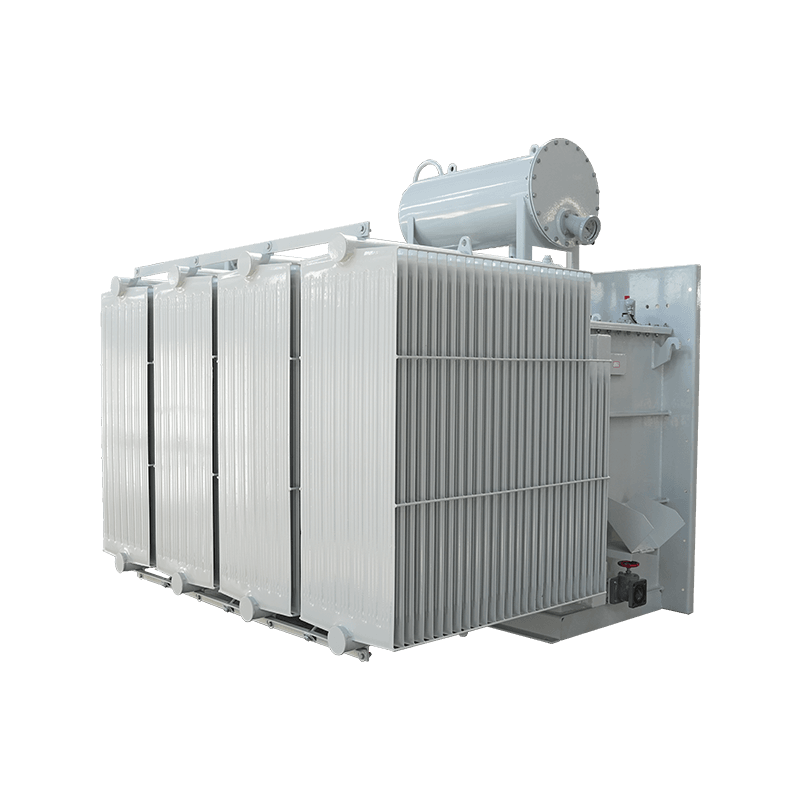
Product overview: Product ZGS series new energy combined transformer is to meet the growing requirements of photovoltaic power supply, our company in ...
See DetailsRequest for a call today






Contact Us