



 English
 中文简体
中文简体 русский
 Español
 عربى
عربىCat:Underground Transformer
Product Overview: Underground transformer: a distribution transformer or combined transformer that can be installed in a pit. It is generally installe...
See DetailsPower transformers are critical components in electrical distribution systems, playing an essential role in transmitting electricity across long distances. Their primary function is to convert voltages from high to low or vice versa, depending on the needs of the grid. This transformation ensures that electricity can be efficiently distributed and safely used in homes, industries, and commercial settings. Given the constant variations in power demands and the dynamic nature of modern electrical grids, there is a growing interest in the ability of power transformers to support automatic regulation. The concept of automatic regulation refers to the transformer’s capability to adjust its parameters, particularly voltage, without manual intervention to ensure stable operation under varying load conditions.
Automatic regulation in power transformers is primarily concerned with adjusting the voltage levels to meet the fluctuating demands of an electrical grid. In traditional systems, manual control is often used to adjust transformer settings, but modern transformers are increasingly designed with automation capabilities to handle these adjustments without the need for human input. The aim is to maintain a stable output voltage while optimizing the efficiency of power distribution.
The importance of automatic regulation lies in its ability to keep the electrical system stable, especially when there are changes in load or input voltage. For instance, during peak demand hours, the transformer must compensate for increased load by adjusting the voltage accordingly. Similarly, during periods of low demand, the transformer can reduce the voltage output to save energy. This dynamic response to changes in demand is what makes automatic regulation a vital feature for modern electrical grids, contributing to both operational efficiency and power quality.
There are different methods and technologies through which power transformers can support automatic regulation. These mechanisms are designed to ensure that the transformer’s output voltage remains within the required limits, regardless of variations in the input or the load. Some of the most commonly used methods include on-load tap changers, off-load tap changers, and more advanced automatic voltage regulators (AVRs).
On-load tap changers (OLTC) are one of the most widely used devices for achieving automatic regulation in power transformers. The main function of an OLTC is to adjust the transformer’s voltage by changing the tap settings while the transformer is still under load. This is particularly useful when there are fluctuations in the load, as the OLTC can continuously adjust the output voltage to match the demand. OLTCs are typically controlled by a combination of sensors, microprocessors, and control systems that monitor the load and voltage levels in real-time.
The OLTC works by selecting the most appropriate tap on the transformer’s winding to adjust the voltage ratio. This process is done automatically, with the system detecting when the voltage deviates from the desired level and making adjustments accordingly. The ability to make these adjustments without interrupting the power supply is a significant advantage of OLTCs. However, OLTCs have limitations in terms of the number of taps available and the time required to make voltage adjustments, which is why they are typically used in systems where voltage changes are relatively slow and gradual.
Off-load tap changers are used in applications where there is less need for continuous voltage adjustment. Unlike on-load tap changers, off-load tap changers require the transformer to be de-energized before making adjustments. These tap changers are typically used in less dynamic situations where the voltage does not fluctuate as frequently or where the transformer’s load changes only during specific intervals. Although off-load tap changers do not offer the same level of responsiveness as OLTCs, they can still support automatic regulation by selecting the correct tap when the transformer is offline or during scheduled maintenance.
While off-load tap changers are less commonly used in high-demand environments, they may still be found in certain situations where transformer load profiles are predictable, and the need for immediate voltage adjustment is minimal. They provide a simpler and often more cost-effective option for applications where the complexity and cost of an OLTC are not justified.
Automatic voltage regulators (AVRs) are advanced systems that provide more precise control over the transformer’s voltage output. Unlike tap changers, which adjust the voltage by changing the transformer’s winding connections, AVRs maintain a stable voltage by controlling the input power to the transformer. The AVR monitors the output voltage of the transformer and adjusts the voltage by altering the transformer’s excitation current. This process ensures that the voltage remains within the desired range, even in the face of large load variations or input voltage fluctuations.
AVRs typically consist of sensors, controllers, and feedback mechanisms that enable the system to respond quickly and accurately to changes in the electrical network. They can operate continuously without the need for manual intervention, making them ideal for situations where constant monitoring and adjustment of the transformer’s voltage are necessary. The main benefit of AVRs is their ability to provide fine-tuned control over the transformer’s output, ensuring consistent power quality across the network. However, AVRs tend to be more complex and expensive than traditional tap changers, which can make them less suitable for certain applications.
There are several advantages to integrating automatic regulation into power transformers, particularly in the context of modern electrical grids and power distribution systems. One of the key benefits is improved voltage stability. Automatic regulation ensures that voltage fluctuations are kept within safe limits, preventing issues such as overvoltage or undervoltage that could damage electrical equipment or disrupt services.
Another significant advantage is increased efficiency. By continuously adjusting the transformer’s output voltage to match the changing load, automatic regulation reduces energy losses associated with excessive voltage levels. This not only improves the overall efficiency of the power distribution system but also contributes to energy savings over time.
Moreover, automatic regulation enhances the reliability of the electrical grid. With the ability to respond quickly and automatically to changes in load and voltage, transformers with automatic regulation capabilities can prevent issues such as voltage dips, surges, and load imbalances. This improves the overall resilience of the power grid, making it less susceptible to disturbances and ensuring a more stable power supply for consumers.
While automatic regulation in power transformers offers numerous benefits, there are also certain challenges and limitations to consider. One of the main challenges is the complexity and cost associated with advanced regulation systems such as AVRs and OLTCs. These systems require sophisticated control mechanisms, sensors, and feedback loops, which can increase both the initial installation cost and ongoing maintenance costs.
In addition, automatic regulation systems may require regular calibration and maintenance to ensure their continued effectiveness. For instance, the sensors and control systems in OLTCs and AVRs must be regularly checked and calibrated to ensure that they are responding accurately to changes in the load and voltage. Failure to maintain these systems can lead to inaccurate regulation, potentially causing voltage instability or even damage to the transformer.
Another potential limitation is the response time of automatic regulation systems. While OLTCs and AVRs are designed to adjust the voltage as quickly as possible, there may still be some lag between when a voltage deviation occurs and when the system can respond. In some cases, this delay may lead to brief periods of voltage instability, especially in environments where rapid fluctuations in load are common. Although this issue can often be mitigated with faster control systems, it remains an important consideration when designing and deploying automatic regulation systems.
The future of automatic regulation in power transformers is likely to be shaped by advancements in smart grid technologies and digitalization. As power distribution systems become more complex and demand for electricity continues to grow, the need for more responsive, efficient, and reliable voltage regulation will only increase. One potential area of development is the integration of advanced sensors, real-time data analytics, and machine learning algorithms into regulation systems. These technologies can enable more accurate predictions of load and voltage changes, allowing transformers to adjust their settings even before a deviation occurs.
Another promising development is the use of automated, self-adjusting tap changers that can respond faster and more precisely to fluctuations in voltage. These systems may use artificial intelligence (AI) or advanced algorithms to improve the speed and accuracy of voltage adjustments, minimizing the risks of overvoltage or undervoltage conditions. Additionally, the integration of renewable energy sources and decentralized power generation may further drive the need for adaptive, automated regulation systems that can accommodate the variable nature of these energy sources.
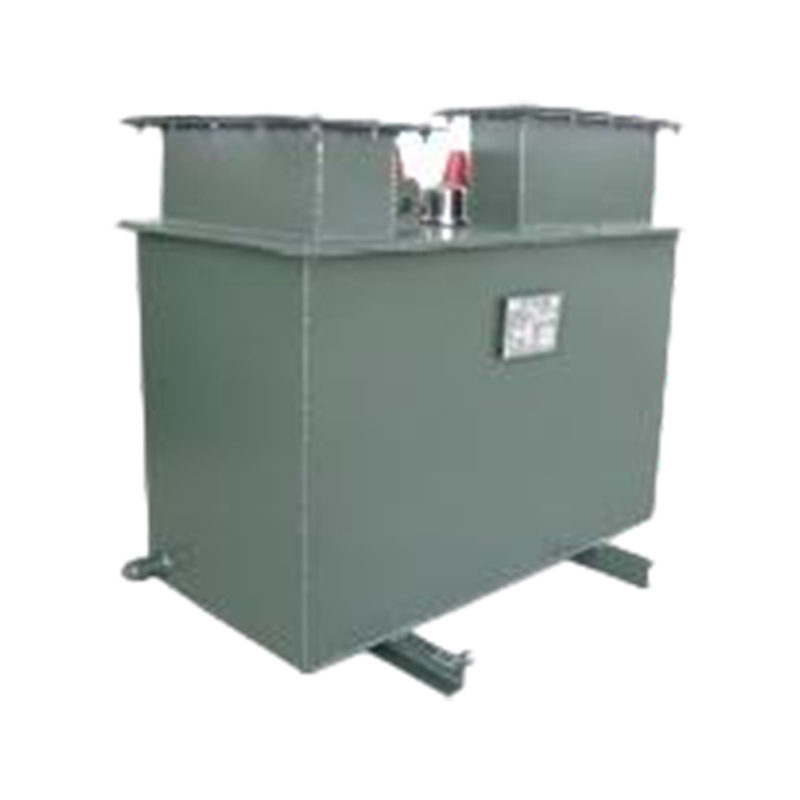
Product Overview: Underground transformer: a distribution transformer or combined transformer that can be installed in a pit. It is generally installe...
See Details
Product overview: Pipe corridor transformer is the abbreviation of "urban underground pipeline comprehensive corridor", that is, the construction of a...
See Details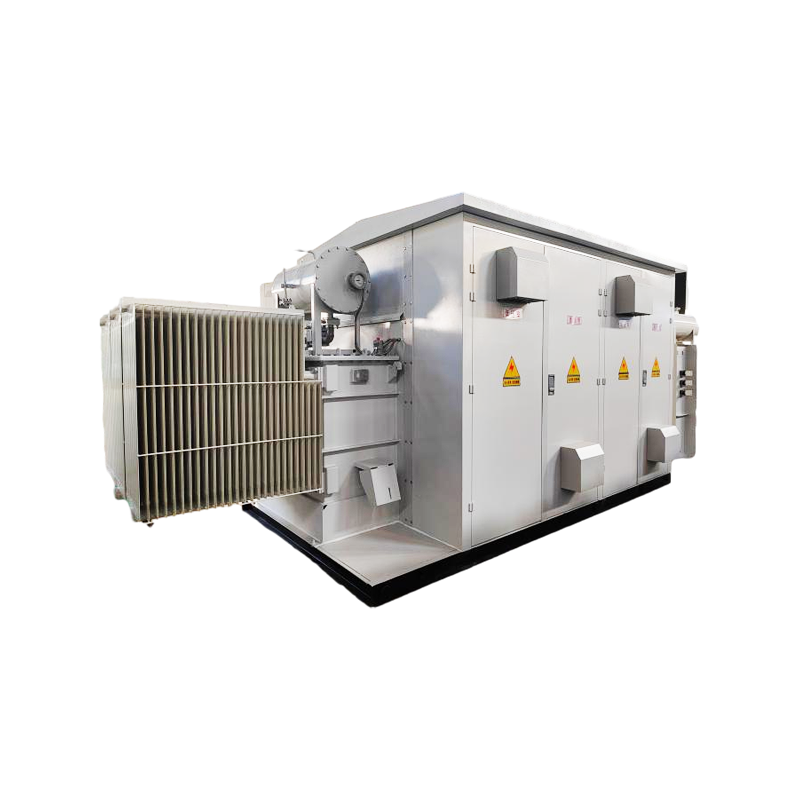
An energy storage box substation is a substation that integrates a traditional substation and energy storage system in a box. It is mainly composed of...
See DetailsRequest for a call today






Contact Us