



 English
 中文简体
中文简体 русский
 Español
 عربى
عربىCat:European-Style Box Substation
Product overview: YB-type high-voltage/low-voltage pre-installed substation is a compact complete set of power distribution equipment that integrates ...
See DetailsBox-type transformers are widely used in industrial, commercial, and residential power distribution applications. Their enclosed design offers protection against environmental factors such as dust, moisture, and accidental contact. Due to continuous operation and variable loads, transformers are subject to temperature fluctuations that can affect performance and longevity. Integrating temperature monitoring and protection devices is essential for safe and reliable operation.
Temperature is a critical factor in the operation of transformers because excessive heat can degrade insulation, reduce efficiency, and lead to component failure. Box-type transformers often operate under heavy loads, which generate internal heat. Temperature monitoring devices provide real-time data on the internal temperature of the transformer, allowing operators to detect overheating conditions early. This monitoring helps prevent prolonged exposure to high temperatures that could compromise performance and safety.
Thermal protection devices are designed to automatically respond to elevated temperatures. These devices include thermal relays, bimetallic switches, and electronic sensors that measure the transformer's winding or oil temperature. When the temperature exceeds a predefined threshold, the protection device can trigger alarms, reduce load, or disconnect the transformer to prevent further temperature rise. By doing so, the system safeguards the internal insulation, windings, and structural components.
Modern box-type transformers often integrate temperature monitoring and protection devices with control systems for automated responses. Sensors communicate with programmable logic controllers (PLCs) or monitoring units that manage operational parameters. The control system can log temperature trends, issue warnings, and initiate protective actions without manual intervention. Such integration improves operational safety, reduces downtime, and allows predictive maintenance based on temperature data.
Box-type transformers may use a combination of sensors to ensure accurate temperature monitoring. Thermistors are frequently employed due to their sensitivity to small temperature changes. Resistance temperature detectors (RTDs) provide stable readings over a wide temperature range, making them suitable for continuous monitoring. In oil-filled transformers, thermocouples measure the oil temperature to assess cooling efficiency. These sensor types provide comprehensive temperature data for protective systems.
Transformers with temperature monitoring often include visual and audible alarms to alert operators of high-temperature conditions. Digital displays may show real-time temperature readings, and control panels can record historical data. Remote monitoring options allow operators to receive notifications via networked systems or mobile devices. Effective alarm systems help prevent overheating incidents and ensure that corrective measures can be taken promptly.
Some box-type transformers employ temperature-triggered load management. When the temperature approaches critical levels, the system can automatically reduce the load to limit heat generation. This process prevents damage to windings and insulation while maintaining continuous operation at a lower load. Load management complements other protective measures, providing a layered approach to temperature control and operational safety.
Temperature monitoring devices also support maintenance planning. By tracking temperature trends over time, operators can identify abnormal heating patterns that may indicate insulation degradation, oil circulation issues, or other mechanical problems. Scheduled inspections and preventive maintenance based on temperature data can reduce the risk of unexpected failures, extending the operational life of the transformer.
The following table summarizes typical temperature monitoring and protection features in box-type transformers:
| Device | Function | Sensor Type | Action upon High Temperature |
|---|---|---|---|
| Thermal Relay | Monitors winding temperature | Bimetallic switch | Triggers alarm or disconnects transformer |
| Thermistor | Measures precise temperature changes | NTC/PTC thermistor | Communicates with control system to adjust load or issue alerts |
| Resistance Temperature Detector (RTD) | Provides stable readings over wide range | Platinum RTD | Logs temperature, triggers protective actions if threshold exceeded |
| Oil Thermocouple | Measures oil temperature in oil-filled transformers | Thermocouple sensor | Indicates cooling efficiency, triggers alarms if overheating detected |
| Control System | Integrates sensor inputs and manages responses | PLC or monitoring unit | Modifies operational parameters, activates alarms, or reduces load |
Equipping box-type transformers with temperature monitoring and protection devices enhances reliability, operational efficiency, and safety. Operators can prevent transformer overheating, reduce insulation stress, and mitigate risks of fire or catastrophic failure. Monitoring devices also provide valuable data for maintenance planning, ensuring that transformers operate within safe temperature ranges throughout their service life.
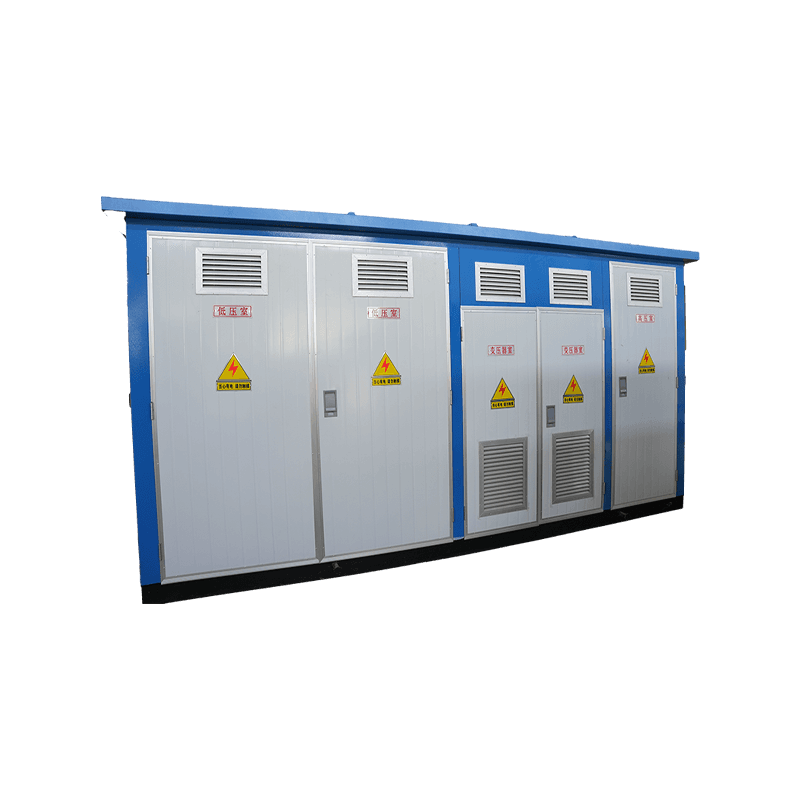
Product overview: YB-type high-voltage/low-voltage pre-installed substation is a compact complete set of power distribution equipment that integrates ...
See Details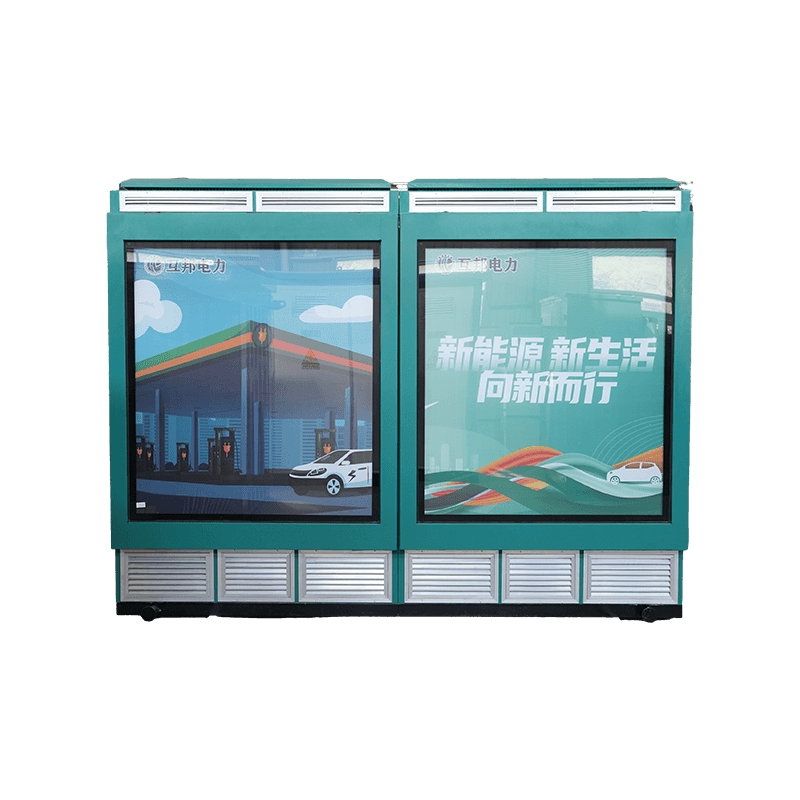
Product overview:Semi-buried box substation (barrel weight semi-buried box transformer) is a new generation of box-type transformer newly developed on...
See Details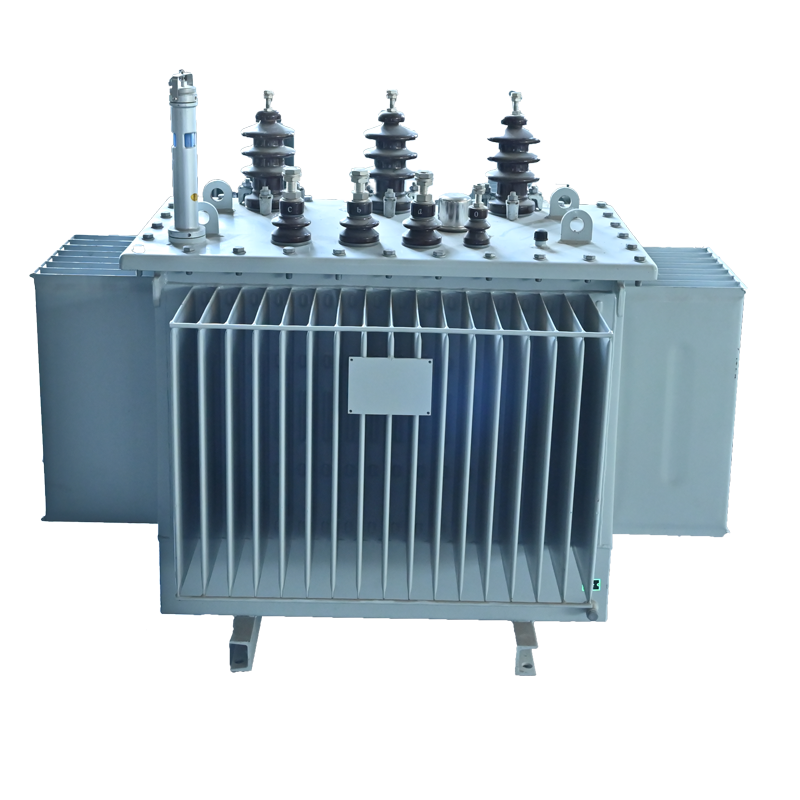
Product Overview: The S22-M iron core is made of high-quality cold-rolled silicon steel sheet, the domestic advanced cross shear line, small shear bur...
See Details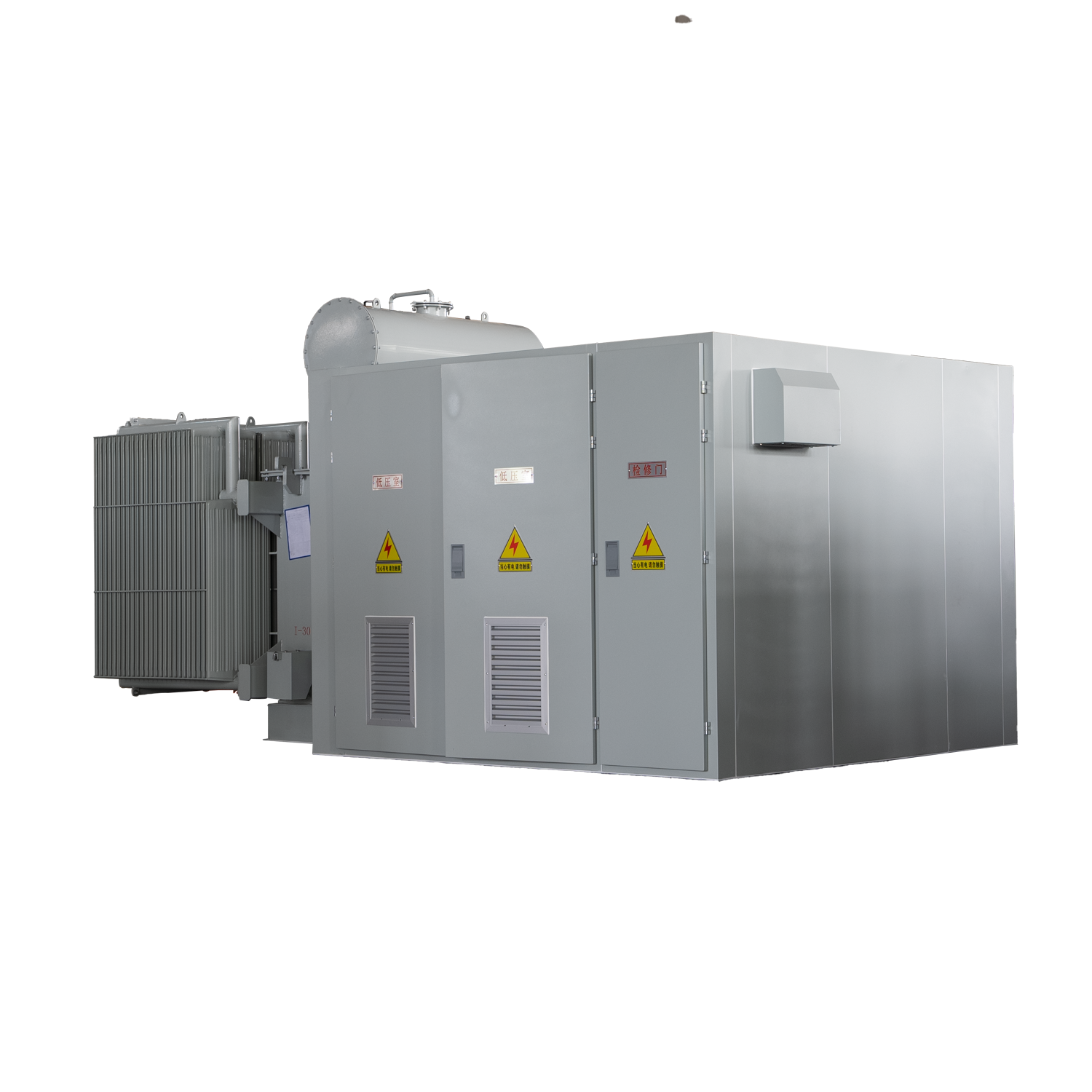
Product overview: Wind combined transformer series products for our company specially designed and developed for wind power generation products, wind ...
See Details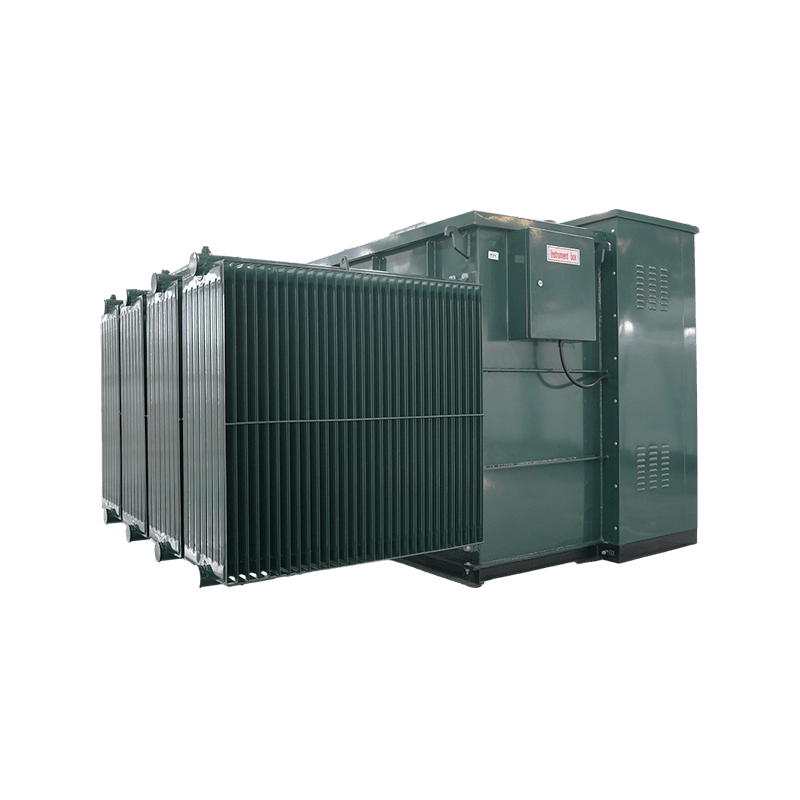
Product Overview: ZGS series combined transformer is a series of products developed according to the needs of urban multi-grid construction and develo...
See DetailsRequest for a call today




Contact Us