



 English
 中文简体
中文简体 русский
 Español
 عربى
عربىCat:Underground Box Substation
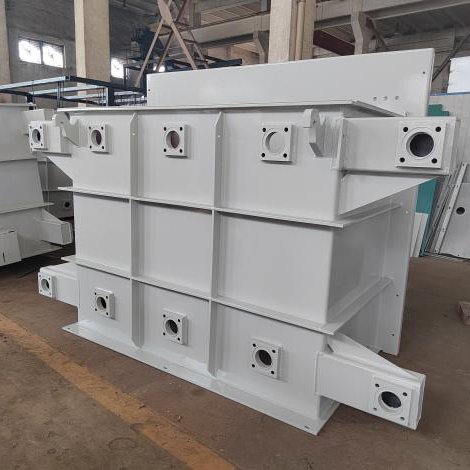
Product overview:Semi-buried box substation (barrel weight semi-buried box transformer) is a new generation of box-type transformer newly developed on...
See DetailsTransformers play a crucial role in the electrical grid by converting electrical energy from one voltage level to another. This is essential for the efficient distribution of electricity from power plants to consumers. In recent years, the demand for energy-efficient and environmentally-friendly transformers has increased due to the growing focus on renewable energy sources and the need to minimize energy losses during the transformation process. New energy transformers are designed to address these challenges by incorporating advanced materials, innovative designs, and improved manufacturing techniques that help reduce energy losses and increase overall efficiency. These transformers are particularly important as the global energy sector shifts toward sustainable and low-carbon energy systems.
Before discussing how new energy transformers reduce energy losses, it is essential to understand the types of energy losses that occur in traditional transformers. These losses primarily fall into two categories: core losses and copper losses.
Core losses, also known as iron losses, occur in the transformer's magnetic core due to the alternating magnetic flux. These losses are related to the properties of the core material and the frequency of the alternating current. Copper losses, on the other hand, are due to the resistance in the windings of the transformer. When electric current flows through the copper windings, some energy is dissipated as heat due to the inherent resistance of the material.
In traditional transformers, both core and copper losses can be significant, especially in large-scale power distribution systems where the demand for efficiency is high. Reducing these losses is essential for improving the overall performance and sustainability of the electrical grid.
Core losses are primarily influenced by the materials used in the transformer's core. In traditional transformers, the core is usually made from silicon steel, which, while effective, still generates a notable amount of energy loss. To reduce core losses, new energy transformers often utilize advanced materials, such as amorphous steel or nanocrystalline alloys.
Amorphous steel, for example, has a disordered atomic structure that significantly reduces the amount of energy lost as heat. This material has much lower hysteresis losses compared to traditional silicon steel, meaning that it requires less energy to magnetize and demagnetize the core as the alternating current passes through. As a result, new energy transformers made with amorphous steel or similar materials can achieve a substantial reduction in core losses, particularly when used in low-load conditions where energy savings are most noticeable.
Nanocrystalline alloys are another material innovation in new energy transformers. These materials have grain sizes on the nanometer scale, which enhances the efficiency of magnetic flux conduction and reduces core losses. The use of such materials allows transformers to operate with lower energy consumption, improving their overall energy efficiency.
Copper losses in transformers are largely a result of the resistance in the windings. The resistance is directly proportional to the length and cross-sectional area of the copper wires used in the windings. To minimize copper losses, new energy transformers employ several strategies that optimize the design of the windings and the materials used.
One common approach is to use higher-quality copper with lower resistivity, which reduces energy losses. In some advanced designs, copper conductors are coated with materials that further reduce resistance and enhance conductivity. Another approach is to optimize the geometry of the windings. By increasing the cross-sectional area of the wires or reducing the length of the winding, it is possible to reduce the overall resistance, thus lowering copper losses. In some cases, the windings may also be designed with more turns of thinner wire, which can improve efficiency by reducing the amount of heat generated.
Additionally, the operating temperature of the transformer plays a significant role in copper losses. New energy transformers are designed with improved cooling systems that help maintain lower operating temperatures. By keeping the transformer cooler, the resistance of the copper windings is reduced, leading to a decrease in copper losses. These cooling systems often use innovative designs that allow for better heat dissipation, ensuring that the transformer operates efficiently over a longer lifespan.
The insulation materials used in transformers also play a critical role in reducing energy losses. Traditional transformers often use mineral oil or paper-based insulation, which can degrade over time and result in increased losses. In contrast, new energy transformers frequently use more advanced insulation materials, such as synthetic resin or high-performance composites, which are more durable and provide better thermal stability.
By using better insulation, new energy transformers can operate at higher efficiency levels, as the insulation reduces the chances of electrical faults and overheating. Advanced insulation materials also allow for smaller transformer designs, which can further reduce losses by improving the overall heat dissipation. As the insulation materials continue to improve, it is likely that future transformers will see even more significant reductions in energy losses.
Digital technologies and smart grid systems are playing an increasingly important role in improving the performance of new energy transformers. By integrating sensors, monitoring systems, and advanced control algorithms, these transformers can be continuously optimized to minimize energy losses in real time.
For instance, smart transformers equipped with temperature and load sensors can automatically adjust their performance based on the current operating conditions. If the transformer is running at less than full capacity, it can adjust its voltage and current settings to reduce losses. Similarly, the monitoring system can alert operators to potential issues such as overheating, allowing for proactive maintenance and preventing costly energy losses due to faults.
Another advantage of digital technologies is the ability to predict and manage load fluctuations. By anticipating demand spikes or drops, transformers can adjust their operation to avoid inefficiencies. For example, during periods of low demand, a transformer can reduce its operational load to decrease unnecessary energy consumption, while still maintaining the ability to meet peak demand when necessary.
One of the less obvious but important factors contributing to energy losses in traditional transformers is the presence of harmonics in the electrical system. Harmonics are distortions in the current waveform caused by nonlinear loads, such as certain types of industrial equipment and electronic devices. These harmonics increase losses in the transformer and can cause overheating, reducing its efficiency and lifespan.
New energy transformers are designed to reduce the impact of harmonics by incorporating advanced filtering and conditioning technologies. By using technologies such as passive harmonic filters or active power conditioners, these transformers can minimize the effects of harmonics on the electrical system, leading to lower energy losses and improved power quality. These features not only enhance the performance of individual transformers but also contribute to the overall efficiency of the electrical grid.
Reducing energy losses in transformers has a direct impact on the environment, as it helps to lower the overall consumption of electrical power. By improving the efficiency of transformers, less energy is wasted, which translates into a reduction in the need for electricity generation. This can have a significant effect on carbon emissions, especially if the electricity is generated from fossil fuels.
New energy transformers also contribute to environmental sustainability through the use of eco-friendly materials and technologies. For example, the use of biodegradable insulating materials or the reduction of oil-based insulation systems helps to minimize the environmental impact of transformer production and disposal. Additionally, the improved energy efficiency of these transformers reduces the overall carbon footprint of the electrical grid, making them a key component of the transition to cleaner energy systems.
| Loss Type | Traditional Transformers | New Energy Transformers | Impact on Efficiency |
|---|---|---|---|
| Core Losses (Iron Losses) | Moderate to high | Low (due to advanced core materials like amorphous steel) | Significant reduction in energy loss |
| Copper Losses | Moderate | Low (due to optimized winding design and materials) | Improved efficiency with less heat generation |
| Insulation Losses | High in older models | Low (due to advanced synthetic and composite materials) | Better thermal stability and longer transformer lifespan |
| Harmonics and Power Quality | Higher distortion, leading to more losses | Minimized with active filters and conditioning technologies | Improved power quality and reduced overall losses |
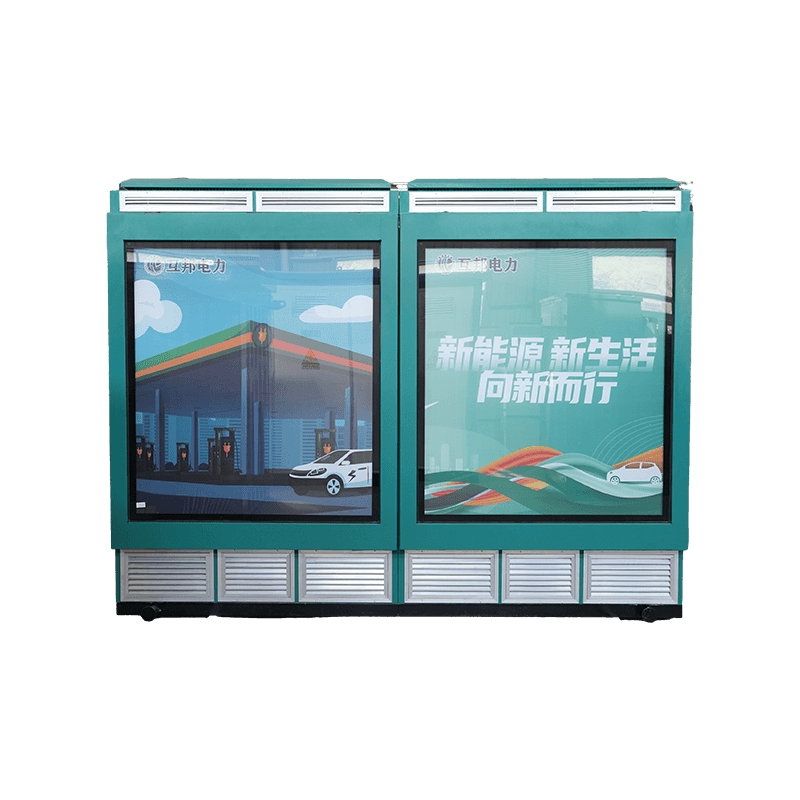
Product overview:Semi-buried box substation (barrel weight semi-buried box transformer) is a new generation of box-type transformer newly developed on...
See Details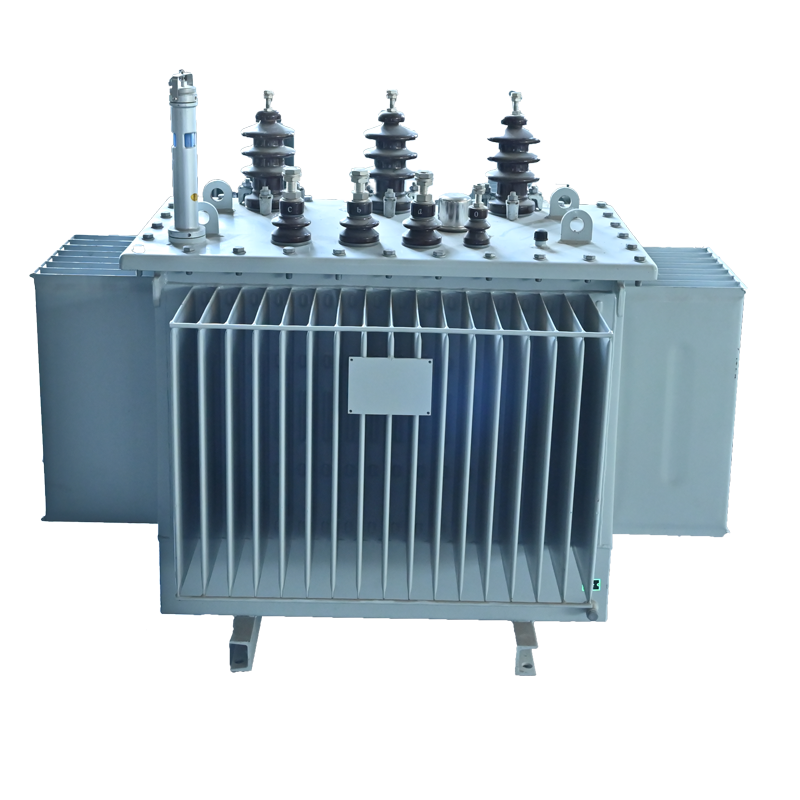
Product Overview: The S22-M iron core is made of high-quality cold-rolled silicon steel sheet, the domestic advanced cross shear line, small shear bur...
See Details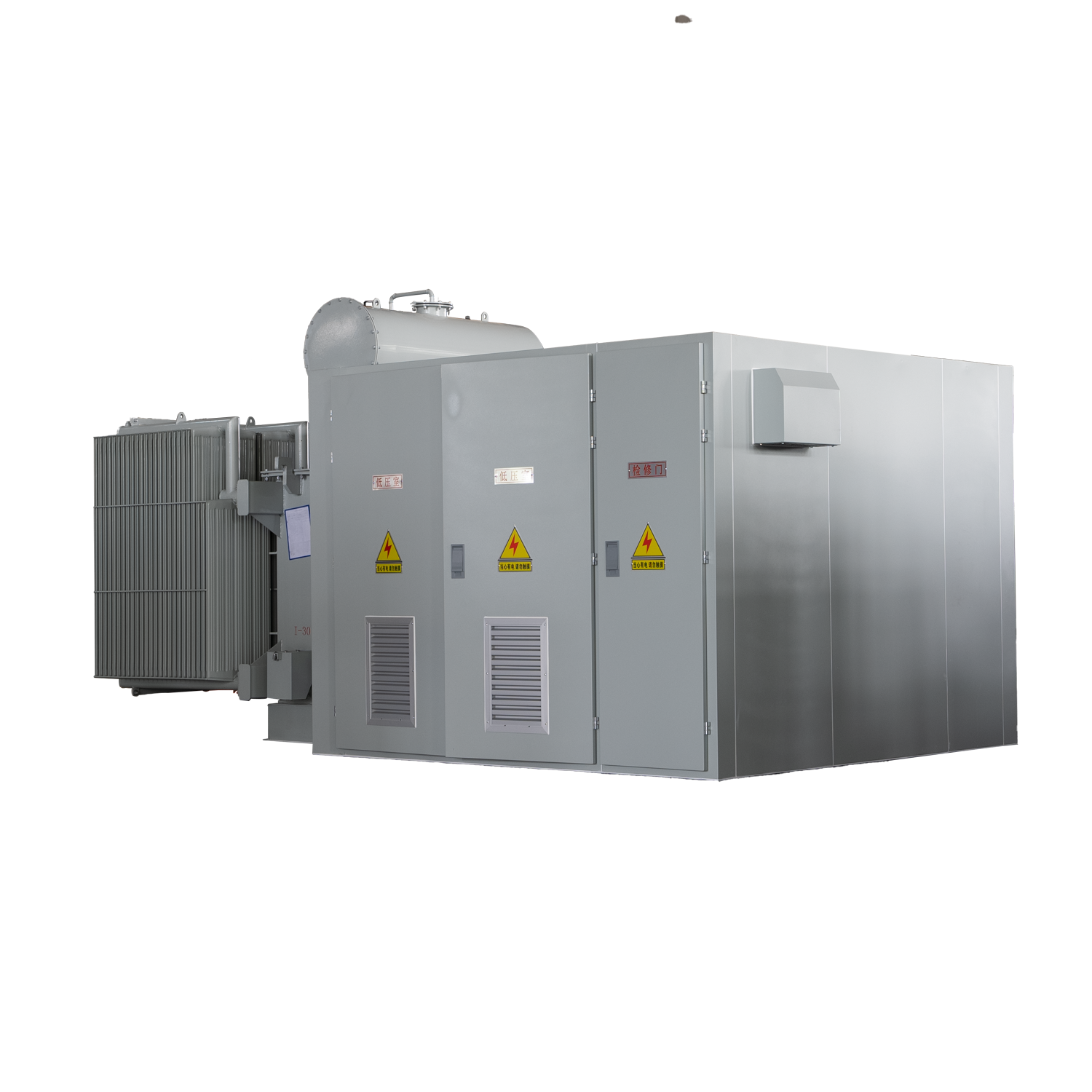
Product overview: Wind combined transformer series products for our company specially designed and developed for wind power generation products, wind ...
See Details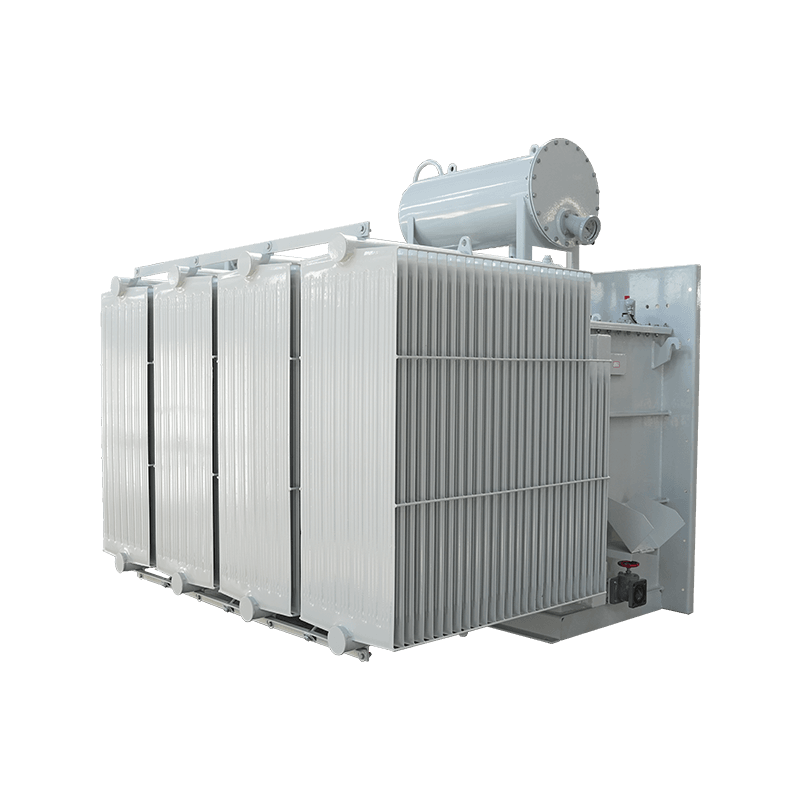
Product overview: Product ZGS series new energy combined transformer is to meet the growing requirements of photovoltaic power supply, our company in ...
See DetailsRequest for a call today






Contact Us