



 English
 中文简体
中文简体 русский
 Español
 عربى
عربىCat:Underground Box Substation
Product overview:Semi-buried box substation (barrel weight semi-buried box transformer) is a new generation of box-type transformer newly developed on...
See DetailsGround-mounted photovoltaic power stations consistently outperform rooftop systems in total energy output and long-term return on investment for utility-scale projects, while rooftop installations offer unmatched advantages for commercial and residential use cases where land is scarce or grid access is limited. The right choice depends heavily on available land, load profile, grid connection costs, and the scale of the operation.
Global installed photovoltaic capacity surpassed 1.6 terawatts (TW) in 2023, and the split between ground-mounted and rooftop systems tells a nuanced story about how solar energy is being deployed across different sectors. Understanding the practical differences between these two configurations is essential for investors, project developers, and energy managers making capital allocation decisions.
A ground-mounted photovoltaic power station is a large-scale solar facility built on open land, typically ranging from 1 megawatt (MW) to several gigawatts (GW) in capacity. Panels are fixed to steel or aluminum racking systems anchored directly into the ground, or mounted on single-axis or dual-axis trackers that follow the sun's path. These installations are engineered for maximum energy production and long operational lifespans of 25–35 years.
Rooftop photovoltaic systems are installed on the roofs of residential, commercial, or industrial buildings. Capacity typically ranges from 3 kilowatts (kW) for homes to several megawatts for large industrial warehouses or logistics centers. These systems use the existing building structure as their foundation, eliminating the need for dedicated land but introducing constraints related to roof orientation, load-bearing capacity, and shading.
The table below summarizes the core differences across the most critical decision factors:
| Factor | Ground-Mounted PV Station | Rooftop PV Station |
|---|---|---|
| Typical Capacity Range | 1 MW – 5,000+ MW | 3 kW – 5 MW |
| Land Requirement | ~1 hectare per MW | Existing rooftop only |
| Average Capacity Factor | 18–25% (tracker: up to 30%) | 12–20% |
| Installation Cost (per Watt) | $0.55 – $0.90 | $1.00 – $2.50 |
| Permitting Complexity | High (environmental review, grid interconnection) | Low to Moderate |
| Grid Connection Cost | High (often $0.10–$0.30/W additional) | Low (uses existing building connection) |
| O&M Cost (per MWh) | $5 – $12 | $8 – $18 |
| Levelized Cost of Energy (LCOE) | $25 – $50/MWh | $60 – $130/MWh |
| Payback Period | 5–9 years (utility-scale) | 4–8 years (commercial/industrial) |
| Best Suited For | Utilities, IPPs, large energy offtakers | Businesses, factories, residential users |
Energy yield — measured in kilowatt-hours per kilowatt-peak (kWh/kWp) annually — is one of the most critical metrics for evaluating any photovoltaic power station. Ground-mounted facilities have a structural advantage here for several reasons:
A well-sited ground-mounted photovoltaic power station in a high-irradiance location — such as the Atacama Desert, the Middle East, or the US Southwest — can achieve specific yields of 1,800–2,200 kWh/kWp per year. A typical urban rooftop system in the same region might achieve 1,300–1,600 kWh/kWp, a gap of 20–35% in favor of the ground-mounted configuration.
While ground-mounted stations have lower installation costs per watt at scale, the full economic picture is more complex. Rooftop systems benefit from on-site consumption, which creates value based on the retail electricity price rather than the wholesale price. This distinction fundamentally changes the financial math.
A rooftop photovoltaic system on a commercial building that directly offsets grid purchases at $0.12–$0.20/kWh (retail) generates significantly more value per unit of electricity than a utility-scale ground-mounted plant selling power at $0.025–$0.05/kWh (wholesale). This is why commercial and industrial rooftop PV projects frequently achieve payback periods of 4–7 years even though their installation costs per watt are higher.
The headline cost-per-watt of a ground-mounted photovoltaic power station can be misleading. Projects regularly encounter substantial additional costs that are not present in rooftop deployments:
One underappreciated risk specific to large ground-mounted photovoltaic power stations is curtailment — the forced reduction of output by grid operators when supply exceeds demand. In markets with high solar penetration, curtailment rates have risen significantly. California's grid operator curtailed over 2.5 million MWh of solar generation in 2023, up from roughly 900,000 MWh in 2020. In China, regions like Qinghai and Gansu have historically reported curtailment rates of 10–20% for utility-scale PV.
Rooftop photovoltaic power stations face essentially zero curtailment risk when operating in a self-consumption model, because the electricity is consumed on-site the moment it is generated. This makes rooftop solar inherently more grid-resilient from an energy yield reliability standpoint, even if its absolute output is lower.
Speed to deployment is a critical factor when energy costs or sustainability targets are time-sensitive. The contrast between the two configurations is stark:
In the United States alone, the interconnection queue backlog exceeded 2,600 GW of proposed projects in 2023, with the majority being utility-scale solar and wind. The average wait time for a project to clear the interconnection process reached 5 years, up from fewer than 2 years in 2015. This structural bottleneck disproportionately affects ground-mounted photovoltaic power station development.
The land use debate around ground-mounted photovoltaic power stations is evolving rapidly. Critics have historically argued that large solar farms consume productive agricultural land; proponents counter that solar development can coexist with or even enhance biodiversity.
Agrivoltaic systems — which co-locate solar panels with agricultural production — are gaining traction as a solution to land use conflicts. Research published in journals covering renewable energy systems has found that certain crops, including lettuce, spinach, and some root vegetables, actually benefit from the partial shading provided by elevated solar panels, reducing water consumption by up to 29% while maintaining acceptable yields. Projects in Europe and Japan have demonstrated that agrivoltaic configurations can add $500–$1,500/hectare/year in additional revenue for landowners.
Rooftop photovoltaic systems have no land use impact since they occupy space that already exists and would otherwise be unused. A 2022 analysis estimated that the total rooftop area globally suitable for solar installation could theoretically support over 27 TW of capacity — more than the current total global electricity generation capacity from all sources combined. The practical constraint is not surface area but rather structural suitability, shading, and grid absorption capacity.
Maintenance strategies differ substantially between the two types of photovoltaic power stations, affecting long-term performance and cost.
There is no universally superior photovoltaic power station type. The optimal configuration is determined by project context:
A growing number of industrial energy users are deploying hybrid photovoltaic strategies — combining rooftop installations for on-site load offsetting with equity stakes or PPAs in ground-mounted photovoltaic power stations to achieve 100% renewable matching on an annual basis. This approach satisfies sustainability reporting requirements while optimizing both self-consumption economics and large-scale generation efficiency.
For example, a large manufacturing facility might install a 2 MW rooftop system to serve daytime production loads directly, while simultaneously procuring a 20-year PPA from a 150 MW ground-mounted station to cover nighttime and evening electricity needs with renewable energy certificates. This dual-track strategy has become increasingly common among corporate renewable energy buyers in Europe and North America seeking to align with 24/7 clean energy commitments.
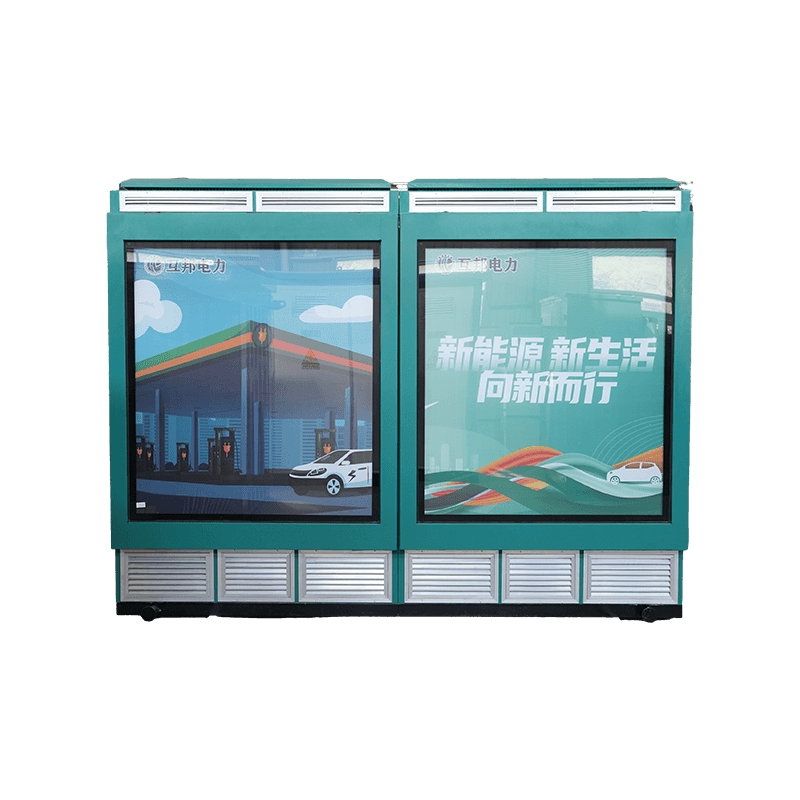
Product overview:Semi-buried box substation (barrel weight semi-buried box transformer) is a new generation of box-type transformer newly developed on...
See Details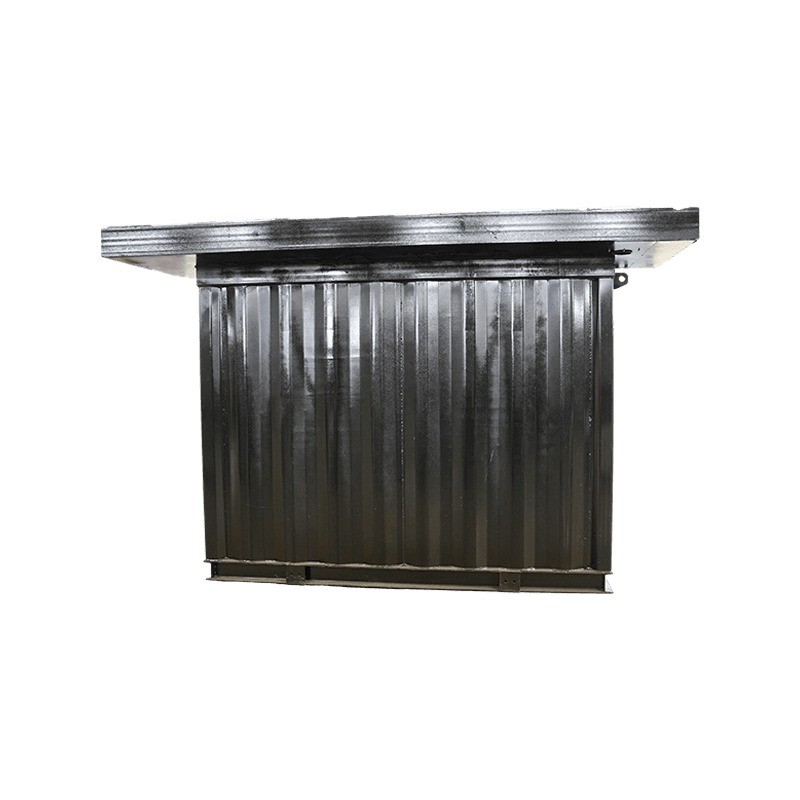
Product overview:All-buried box-type substation (referred to as all-buried box-type transformer) is a new generation of box-type transformer newly dev...
See Details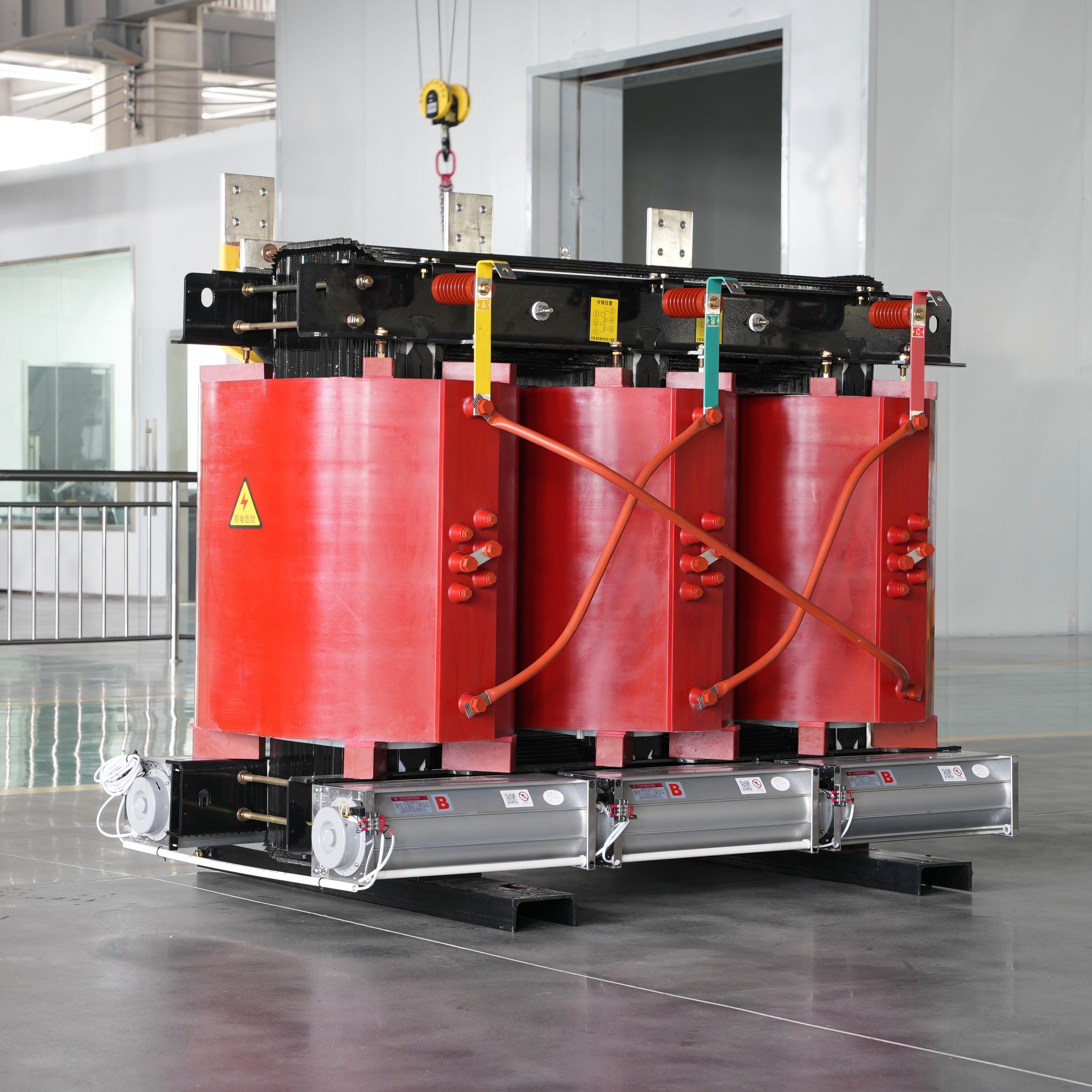
SC (B) series products are epoxy-cast non-excited voltage regulating dry transformers; This type is made of F-grade epoxy resin mixture with filler, a...
See Details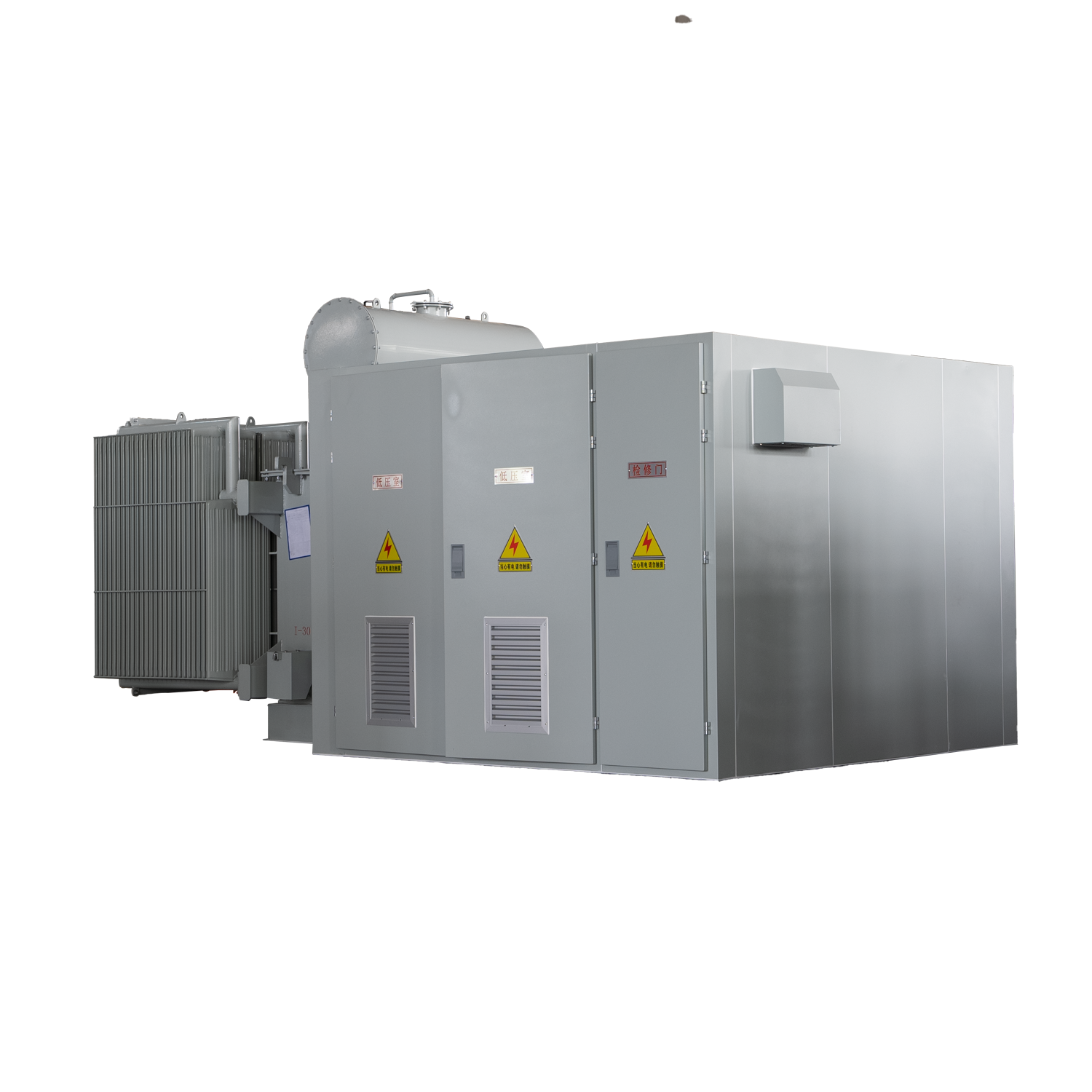
Product overview: Wind combined transformer series products for our company specially designed and developed for wind power generation products, wind ...
See Details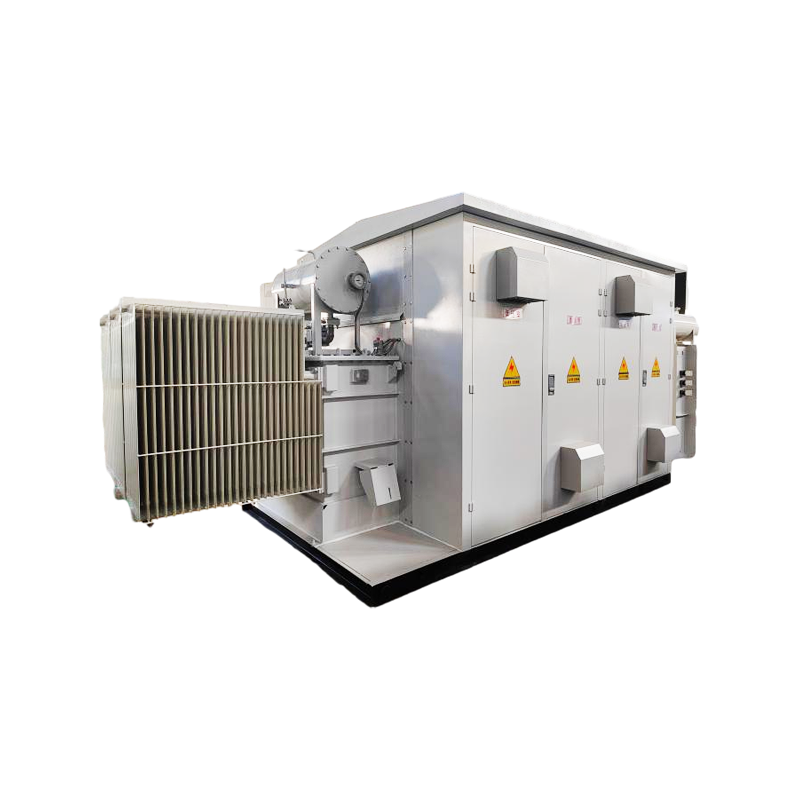
An energy storage box substation is a substation that integrates a traditional substation and energy storage system in a box. It is mainly composed of...
See DetailsRequest for a call today






Contact Us