



 English
 中文简体
中文简体 русский
 Español
 عربى
عربىCat:European-Style Box Substation
Product overview: YB-type high-voltage/low-voltage pre-installed substation is a compact complete set of power distribution equipment that integrates ...
See DetailsA dry transformer is a type of electrical transformer that does not use liquid (such as oil) for cooling. Instead, it uses air or natural convection to dissipate the heat generated during operation. Dry transformers are typically used in environments where safety, minimal environmental impact, and ease of maintenance are of paramount importance. They are widely used in commercial and industrial settings where reliable and efficient energy conversion is necessary.
Dry transformers offer several advantages over their oil-filled counterparts, making them an ideal choice for various applications. Some of the key benefits include:
Dry transformers are versatile and are commonly used in a wide range of industrial, commercial, and residential applications. Some of the most common uses include:
Dry transformers operate using the principle of electromagnetic induction, similar to oil-filled transformers. The main difference is that instead of oil, they rely on air or other cooling methods to dissipate heat. The basic components of a dry transformer include:
The process works as follows: electrical energy enters the primary winding, where a magnetic field is created. This magnetic field induces a current in the secondary winding, which produces a transformed voltage that can be used for various applications. The heat generated during this process is dissipated by the cooling mechanism, preventing overheating and ensuring efficient operation.
When selecting a dry transformer, several factors should be considered to ensure that it meets the specific needs of your application. These include:
Dry transformers are an integral part of modern electrical infrastructure. With their environmentally friendly design, reduced maintenance requirements, and compact form, they provide an ideal solution for a wide range of applications. Whether in commercial buildings, industrial facilities, or renewable energy systems, dry transformers offer a reliable and safe means of converting electrical power, contributing to the efficiency and sustainability of energy systems worldwide.
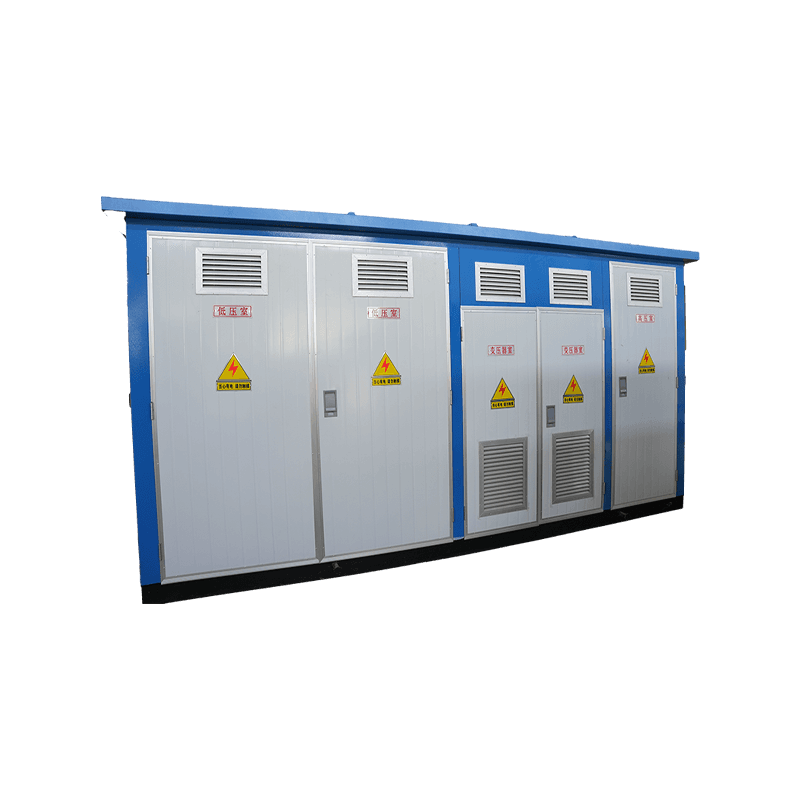
Product overview: YB-type high-voltage/low-voltage pre-installed substation is a compact complete set of power distribution equipment that integrates ...
See Details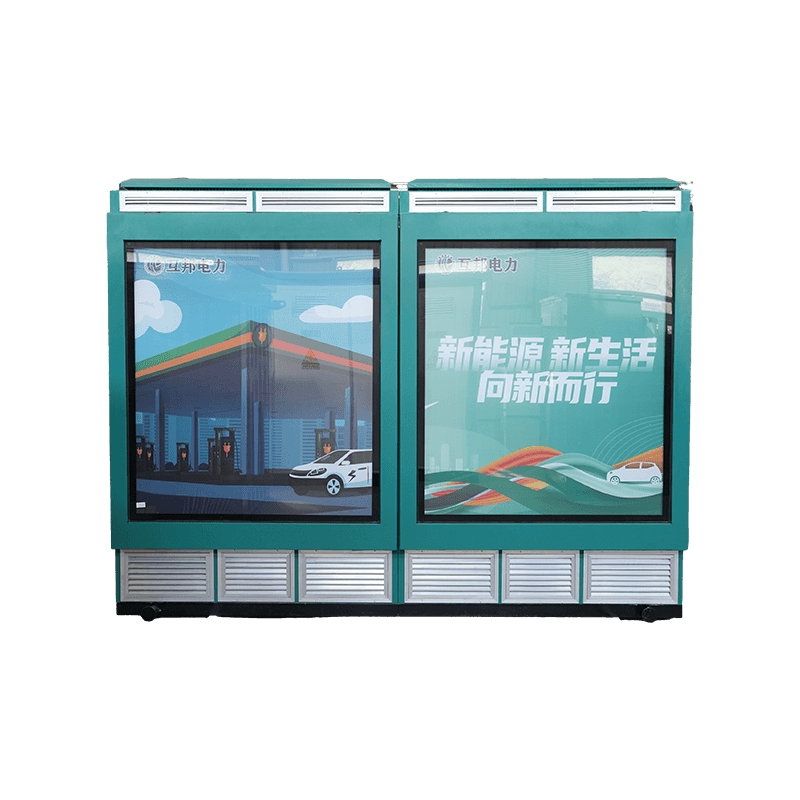
Product overview:Semi-buried box substation (barrel weight semi-buried box transformer) is a new generation of box-type transformer newly developed on...
See Details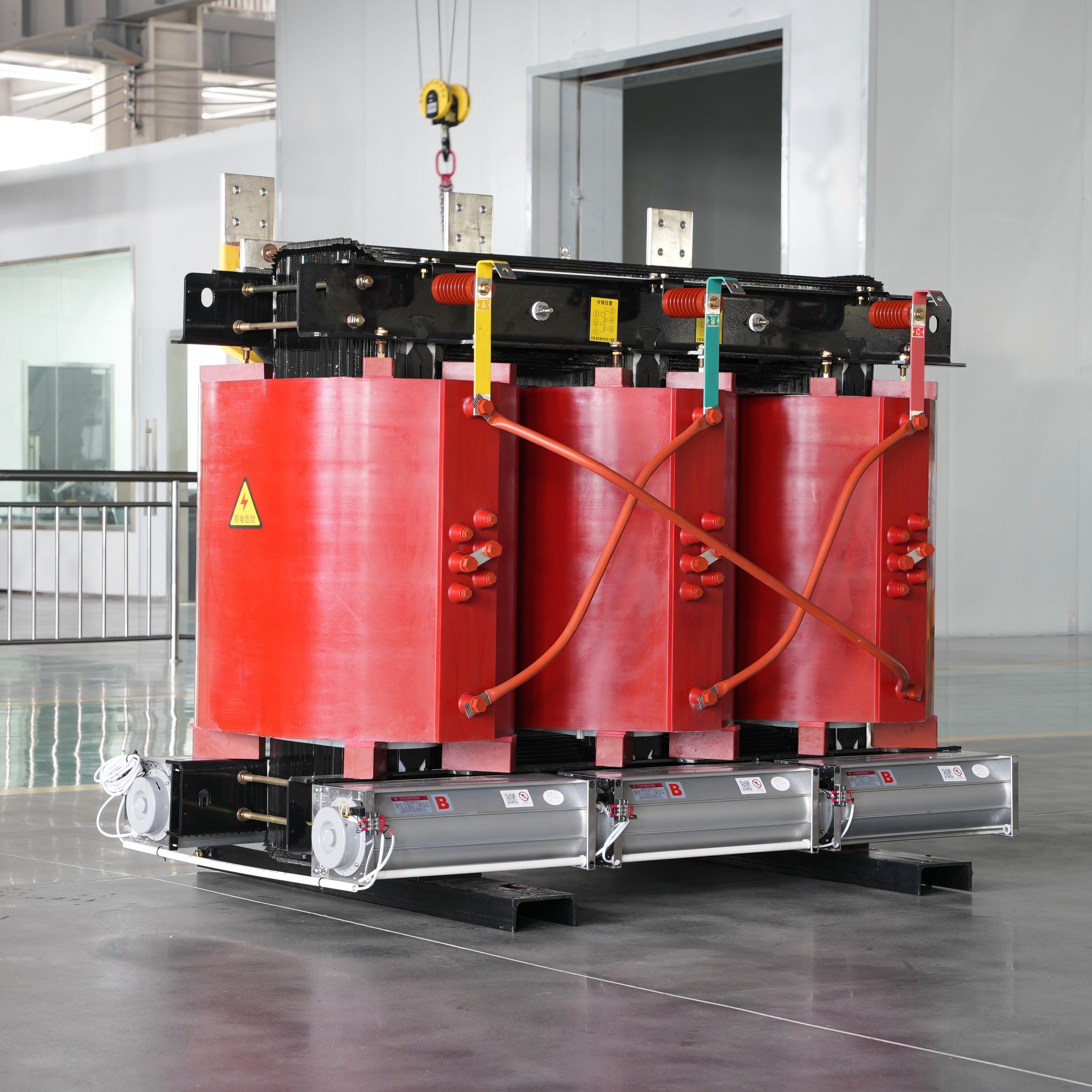
SC (B) series products are epoxy-cast non-excited voltage regulating dry transformers; This type is made of F-grade epoxy resin mixture with filler, a...
See Details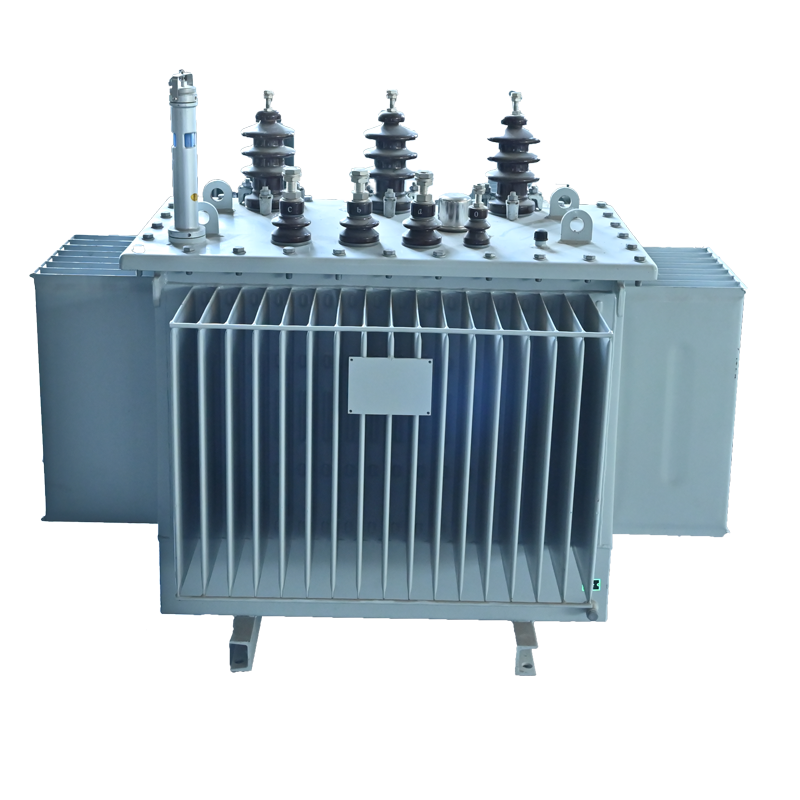
Product Overview: The S22-M iron core is made of high-quality cold-rolled silicon steel sheet, the domestic advanced cross shear line, small shear bur...
See Details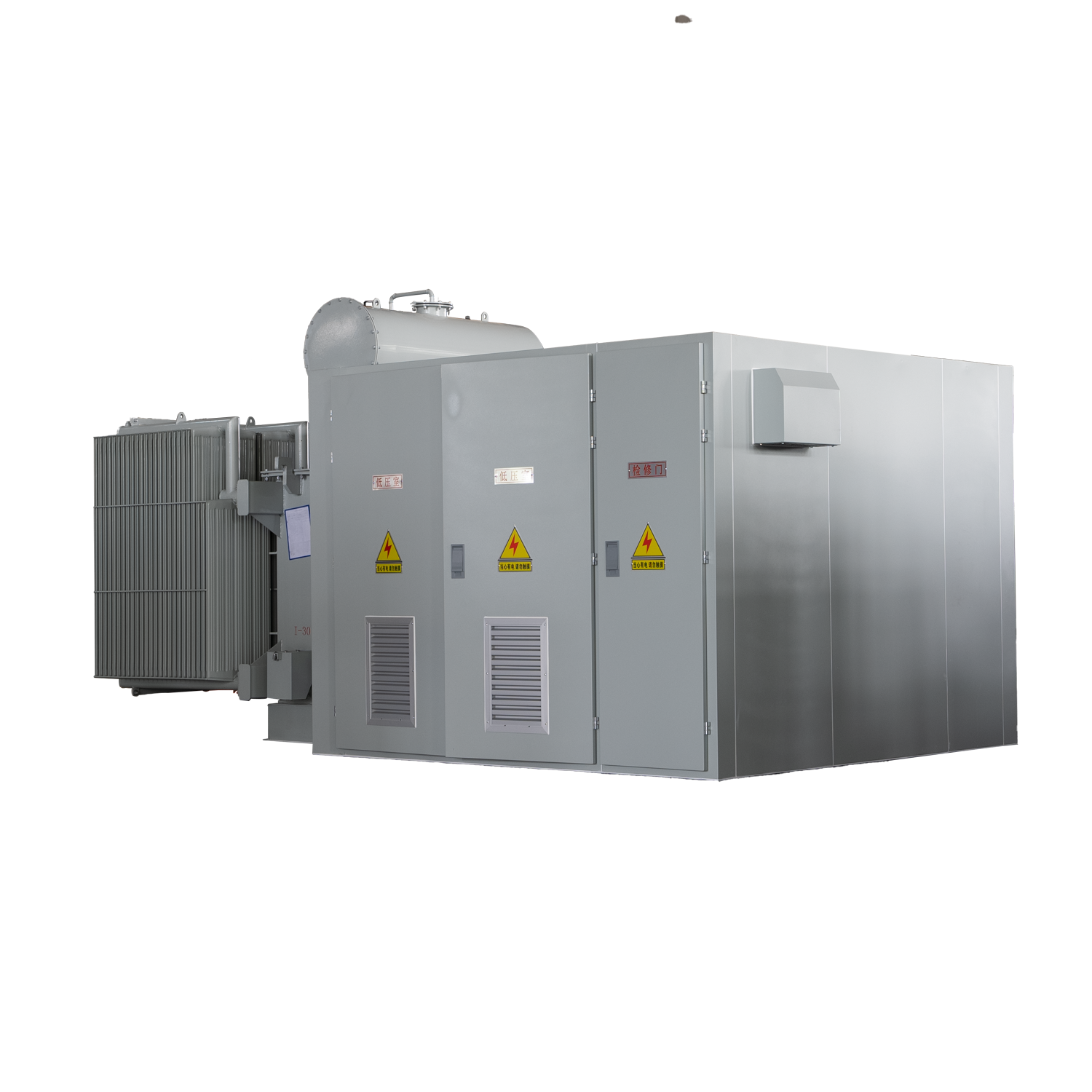
Product overview: Wind combined transformer series products for our company specially designed and developed for wind power generation products, wind ...
See Details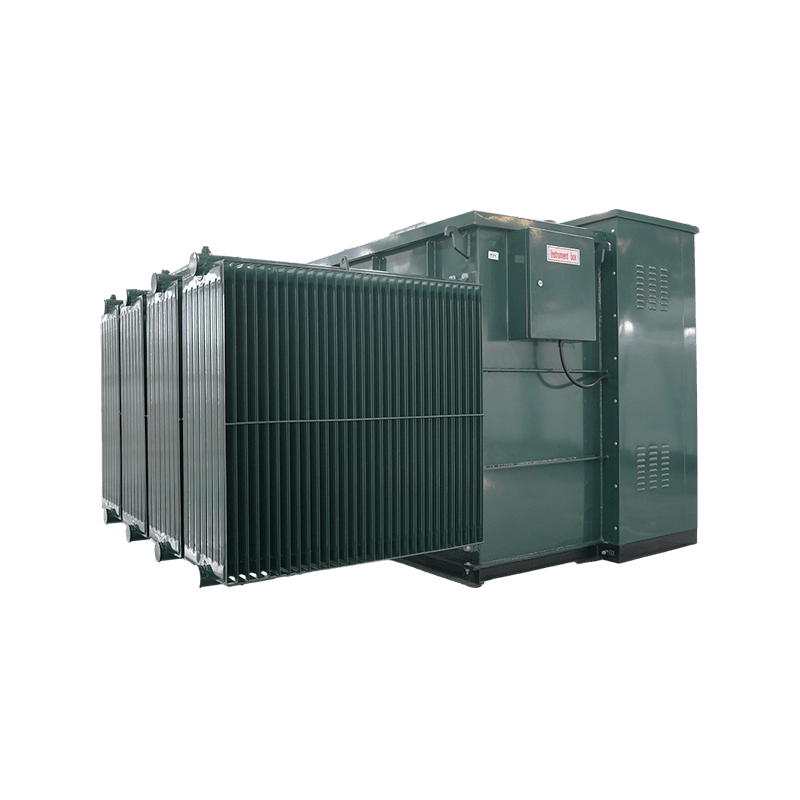
Product Overview: ZGS series combined transformer is a series of products developed according to the needs of urban multi-grid construction and develo...
See Details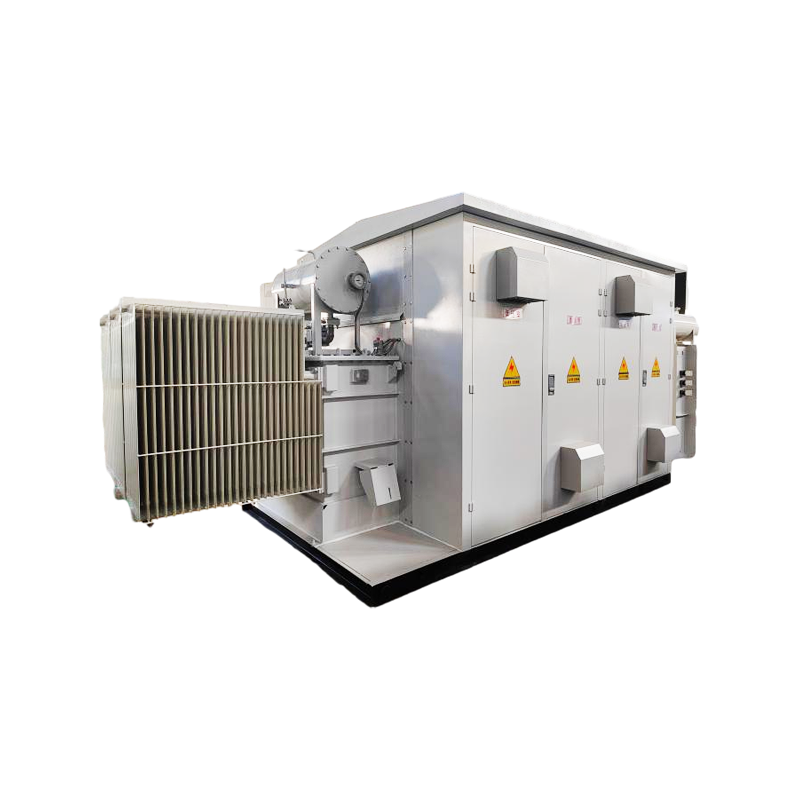
An energy storage box substation is a substation that integrates a traditional substation and energy storage system in a box. It is mainly composed of...
See DetailsRequest for a call today






Contact Us