



 English
 中文简体
中文简体 русский
 Español
 عربى
عربىCat:American-Style Box Substation
Product Overview: ZGS series combined transformer is a series of products developed according to the needs of urban multi-grid construction and develo...
See DetailsAn oil-immersed transformer is a type of electrical transformer that uses mineral oil or synthetic oil to cool and insulate its internal components. The oil acts as both a coolant and an insulator, preventing overheating and ensuring efficient operation. These transformers are widely used in various electrical power systems, including power distribution, industrial applications, and substations.
The primary function of an oil-immersed transformer is to step up or step down voltage levels in power systems, ensuring the safe transmission and distribution of electricity. Their robust design and effective cooling make them suitable for handling large amounts of electrical energy.
Oil-immersed transformers consist of several key components that work together to ensure efficient operation:
The core is made of laminated sheets of electrical steel, which help minimize energy losses due to magnetic flux. The core's primary function is to provide a path for the magnetic flux generated by the windings. The magnetic flux allows the transformer to transfer electrical energy from the primary to the secondary winding.
Windings are coils of copper or aluminum wire that carry the electrical current. There are two types of windings in an oil-immersed transformer: the primary winding and the secondary winding. The primary winding receives electrical energy from the power source, while the secondary winding delivers the transformed energy to the load.
The oil tank contains the mineral oil or synthetic oil that serves as both a coolant and insulator. The oil helps to absorb the heat generated by the windings and core during operation, preventing overheating. It also insulates the windings from electrical faults.
A tap changer is used to adjust the voltage ratio in the transformer. It provides different voltage levels based on the needs of the power system. Tap changers can be manual or automatic, depending on the design and operational requirements of the transformer.
Oil-immersed transformers offer several distinct advantages, making them a popular choice in many industrial and power transmission applications:
Oil-immersed transformers are used in various applications where high-efficiency and reliable voltage conversion are required. Some common areas where these transformers are utilized include:
Proper maintenance is crucial to ensuring the longevity and optimal performance of oil-immersed transformers. Regular inspections, oil checks, and cooling system maintenance are essential for preventing issues such as overheating and insulation breakdown.
The oil in the transformer should be regularly tested for contaminants, moisture, and acidity. Dirty or contaminated oil can compromise the cooling efficiency and insulation properties. If the oil is found to be contaminated, it may need to be replaced or purified.
Regular inspections of external components such as bushings, tap changers, and the oil tank are vital for identifying potential issues early. Any signs of wear, corrosion, or leakage should be addressed promptly to prevent failure.
Oil-immersed transformers should be equipped with safety devices like pressure relief valves and temperature monitoring systems to prevent dangerous failures. Additionally, fire hazards associated with oil leakage should be addressed by ensuring proper sealing and leak prevention measures.
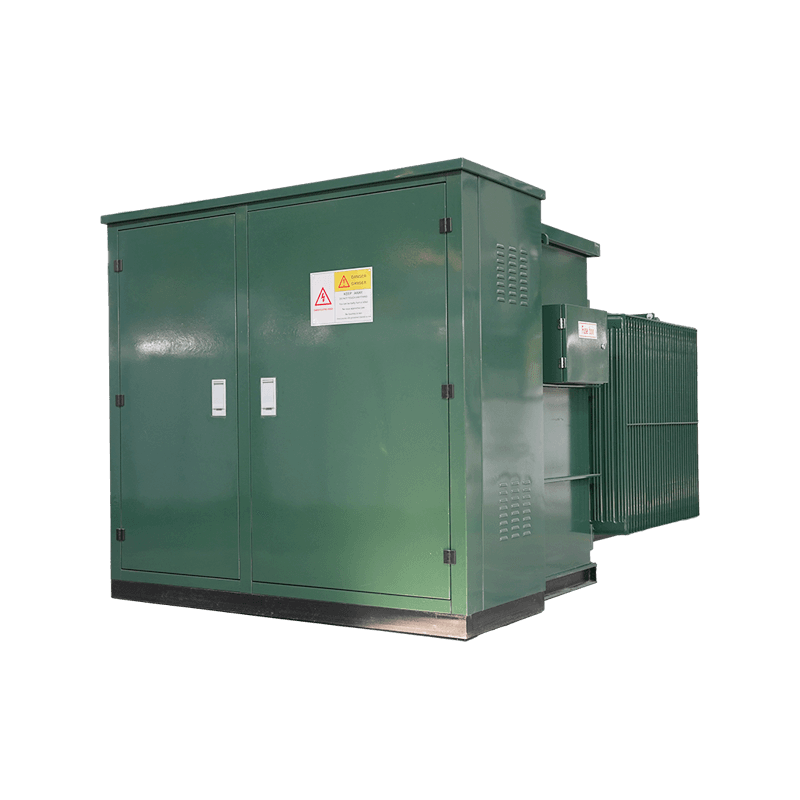
Product Overview: ZGS series combined transformer is a series of products developed according to the needs of urban multi-grid construction and develo...
See Details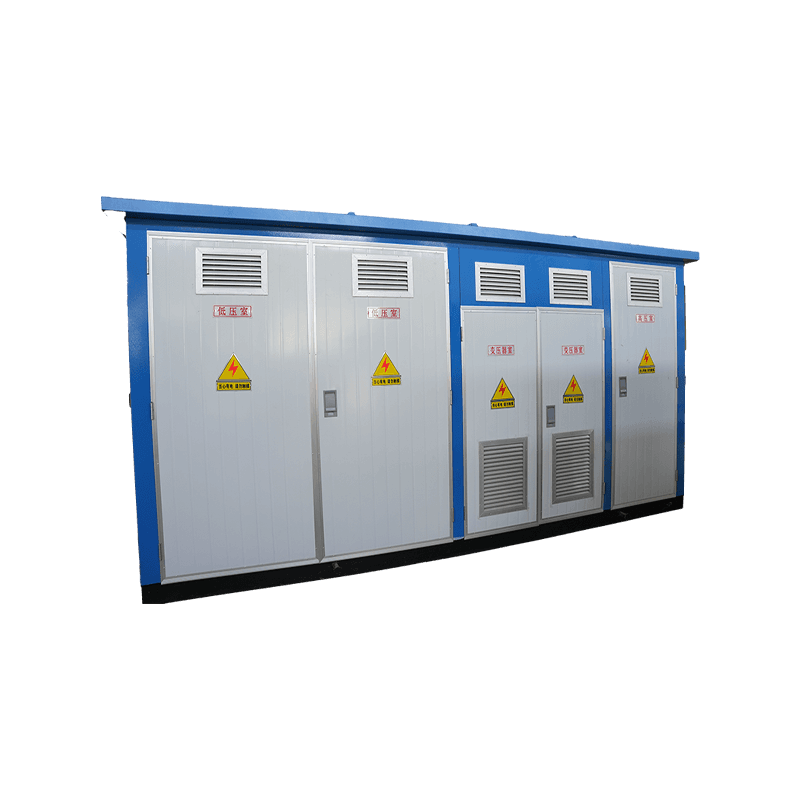
Product overview: YB-type high-voltage/low-voltage pre-installed substation is a compact complete set of power distribution equipment that integrates ...
See Details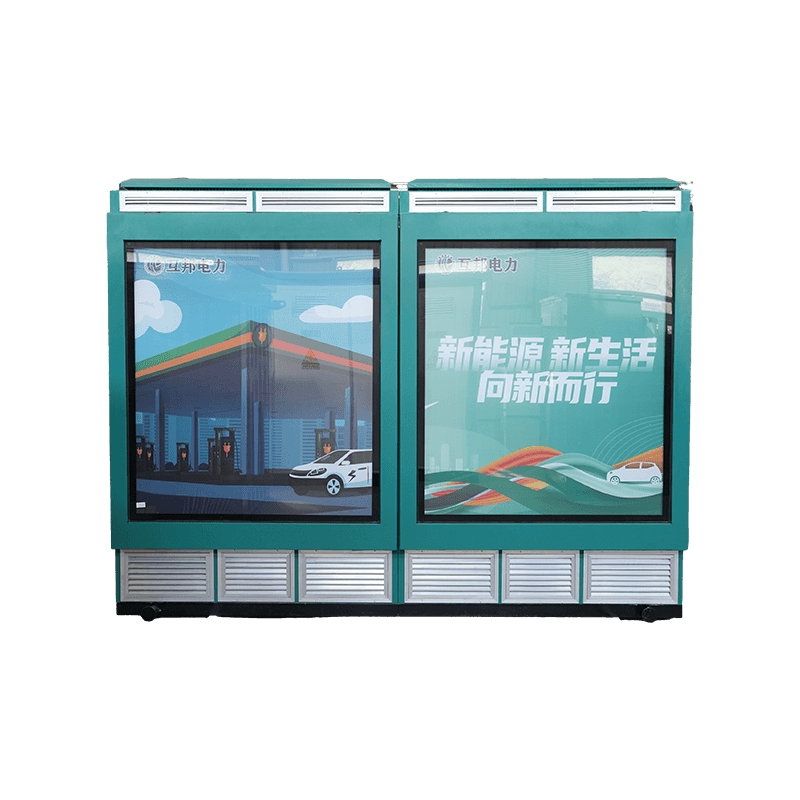
Product overview:Semi-buried box substation (barrel weight semi-buried box transformer) is a new generation of box-type transformer newly developed on...
See Details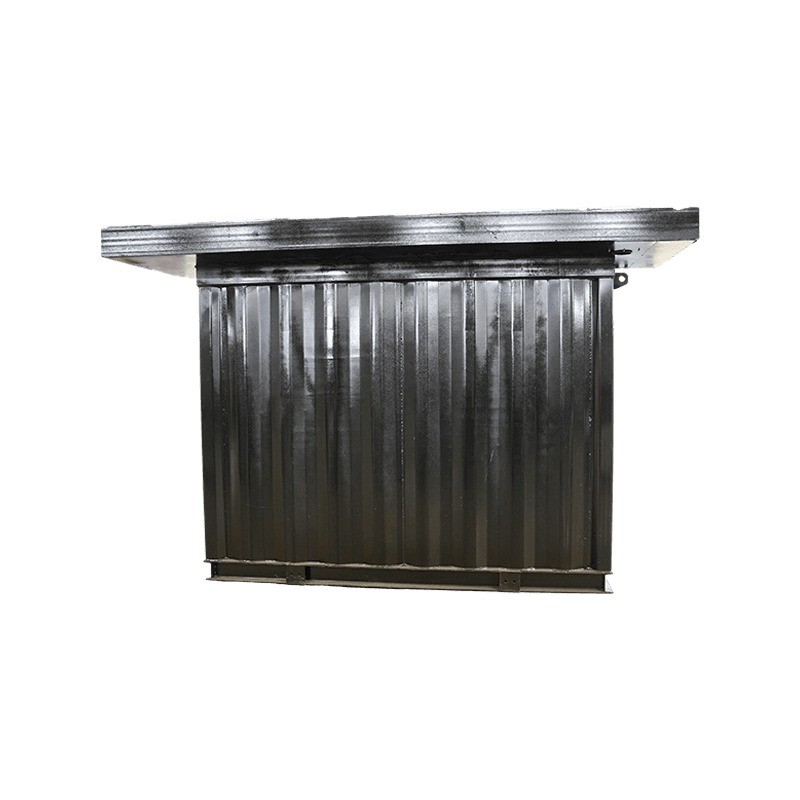
Product overview:All-buried box-type substation (referred to as all-buried box-type transformer) is a new generation of box-type transformer newly dev...
See Details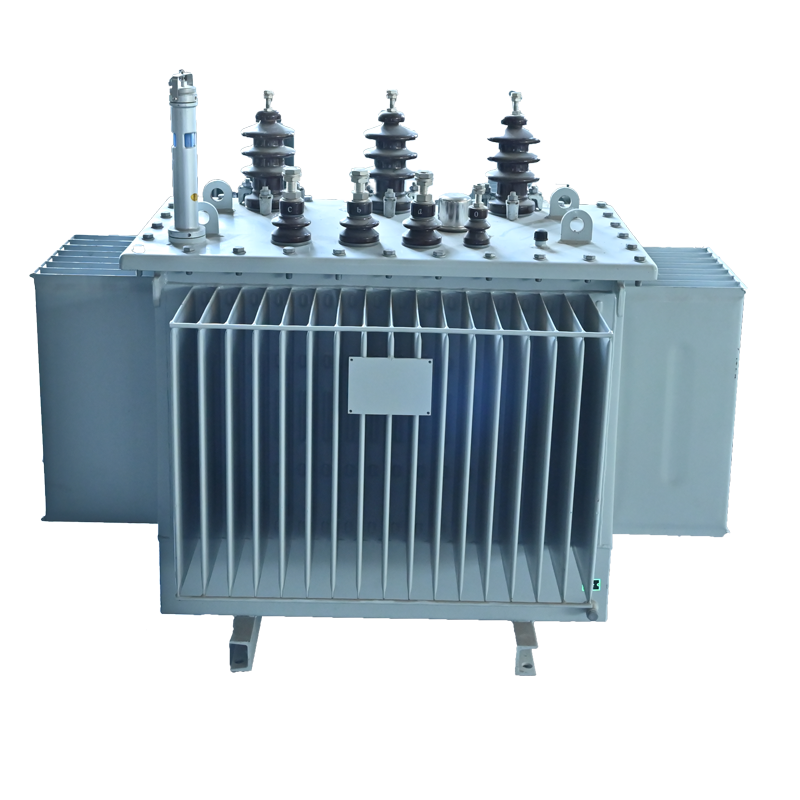
Product Overview: The S22-M iron core is made of high-quality cold-rolled silicon steel sheet, the domestic advanced cross shear line, small shear bur...
See Details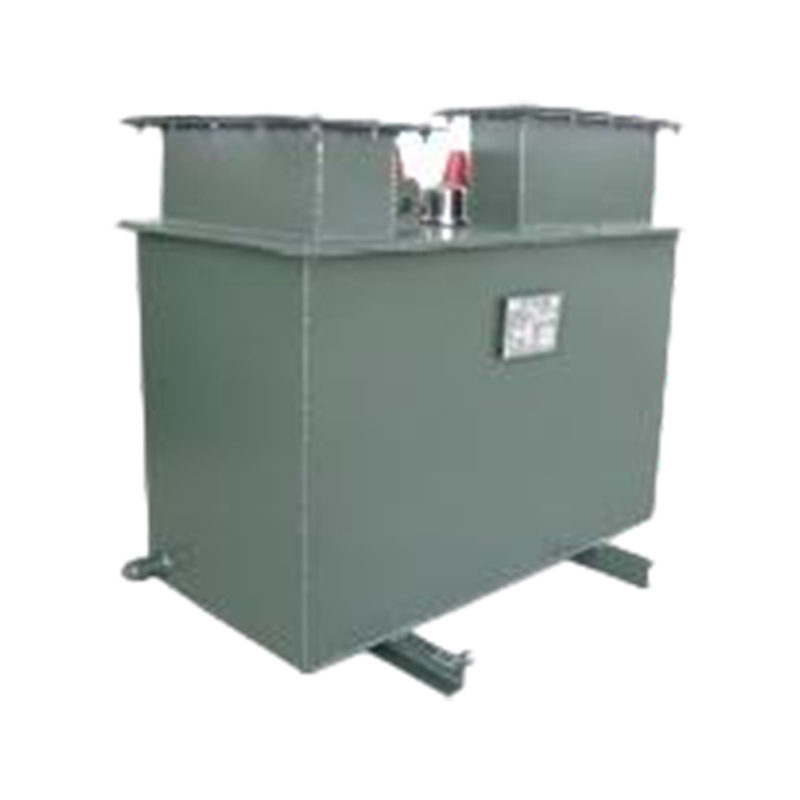
Product Overview: Underground transformer: a distribution transformer or combined transformer that can be installed in a pit. It is generally installe...
See Details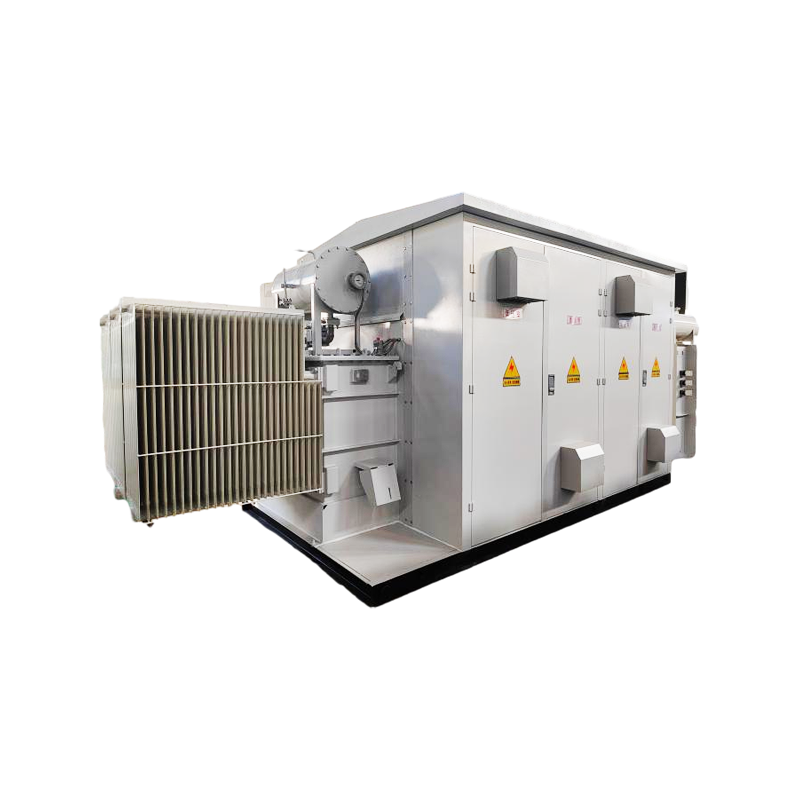
An energy storage box substation is a substation that integrates a traditional substation and energy storage system in a box. It is mainly composed of...
See DetailsRequest for a call today




Contact Us