



 English
 中文简体
中文简体 русский
 Español
 عربى
عربىCat:American-Style Box Substation
Product Overview: ZGS series combined transformer is a series of products developed according to the needs of urban multi-grid construction and develo...
See DetailsSilicon steel coils are a specialized type of steel alloy, composed primarily of iron with a small percentage of silicon. These coils are essential in various electrical applications due to their excellent magnetic properties. Silicon steel is primarily used in the production of transformers, motors, and generators because it enhances electrical conductivity and reduces energy losses. By improving efficiency, these coils play a pivotal role in reducing energy consumption and supporting sustainable technology.
Silicon steel coils are specifically designed to meet the needs of industries where electrical efficiency and low energy loss are critical. Their high silicon content (typically 2-4.5%) increases electrical resistivity, which significantly reduces core losses in electrical equipment.
Transformers are one of the primary applications for silicon steel coils. These coils are used in the core construction of transformers, where they help reduce eddy current losses and improve the overall efficiency of power transmission. The silicon content within the steel enhances its magnetic permeability, allowing for better conversion of electrical energy with minimal loss.
Silicon steel coils are integral to the construction of electric motors, including those used in industrial machines, HVAC systems, and electric vehicles. The material's low core loss properties ensure that these motors operate with higher efficiency, reducing energy consumption and improving longevity. The enhanced magnetic properties of silicon steel also allow for smoother motor operation.
In generators, silicon steel coils are used in the stator and rotor cores. These coils help generate electricity efficiently by reducing hysteresis and eddy current losses. The ability of silicon steel to withstand high levels of electrical flux makes it a crucial material in the production of reliable and energy-efficient generators.
The production of silicon steel coils involves a precise and controlled manufacturing process that includes the following key steps:
The first step in producing silicon steel coils is melting and alloying. High-quality steel is mixed with silicon to form an alloy that contains 2-4.5% silicon. This allows the steel to maintain its magnetic properties while ensuring it remains durable under high flux conditions.
The steel alloy is then processed through cold rolling, a method that reduces the thickness of the steel while increasing its length. The cold rolling process enhances the material's strength and durability, which is crucial for the performance of silicon steel coils in electrical applications.
Annealing is a critical heat treatment process in silicon steel coil production. The steel is heated to a specific temperature to relieve internal stresses and improve its magnetic properties. This process also enhances the material’s electrical resistivity and reduces the risk of corrosion, ensuring longer service life and higher performance in electrical applications.
After annealing, the coils are subjected to final rolling to achieve the desired thickness. A coating is then applied to protect the material from oxidation and enhance its electrical efficiency. The final product is a silicon steel coil that is ready for use in transformers, motors, and other electrical components.
There are various grades of silicon steel coils, each with specific characteristics suited for different applications. The main types include:
Grain-oriented silicon steel (GOES) is primarily used in transformer cores. This type of silicon steel has a preferred grain structure, which helps to reduce core losses and improve magnetic flux efficiency. GOES is commonly used in high-performance electrical devices where low energy loss is critical.
Non-grain-oriented silicon steel (NGOES) is used in the manufacturing of electric motors and other rotating equipment. Unlike GOES, NGOES does not have a preferred grain orientation, but it is designed to perform well under dynamic magnetic fields, making it suitable for applications that involve frequent changes in magnetic direction.
Silicon steel coils offer several significant advantages, which make them the material of choice in many electrical applications:
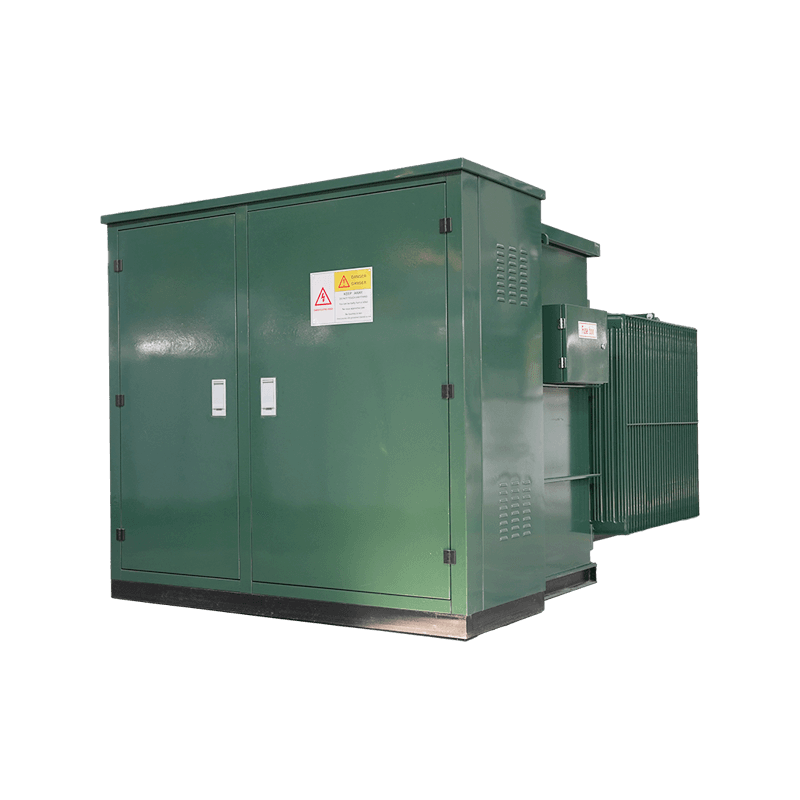
Product Overview: ZGS series combined transformer is a series of products developed according to the needs of urban multi-grid construction and develo...
See Details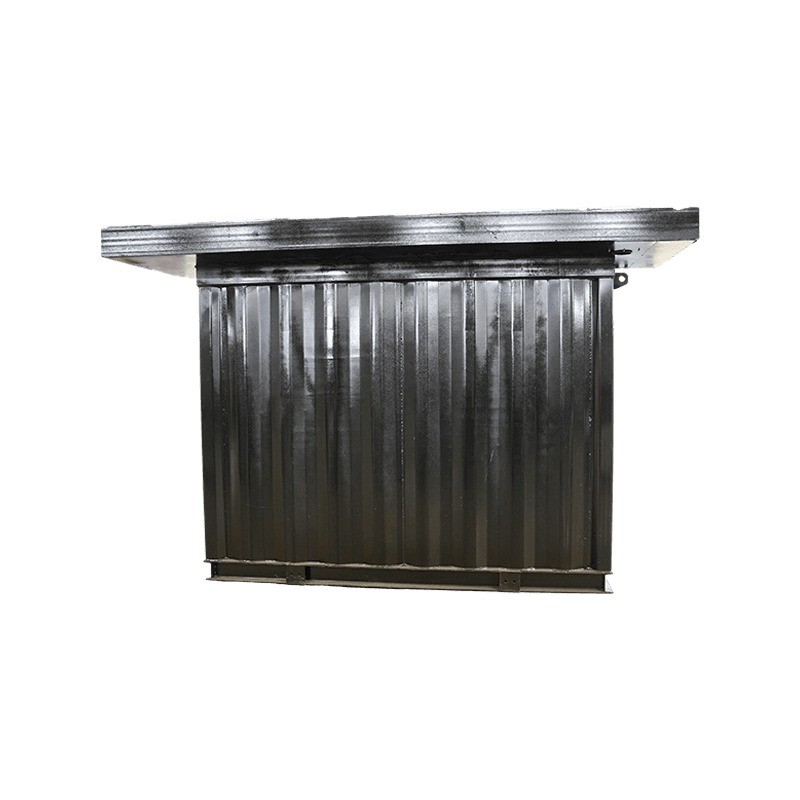
Product overview:All-buried box-type substation (referred to as all-buried box-type transformer) is a new generation of box-type transformer newly dev...
See Details
Product overview: Pipe corridor transformer is the abbreviation of "urban underground pipeline comprehensive corridor", that is, the construction of a...
See Details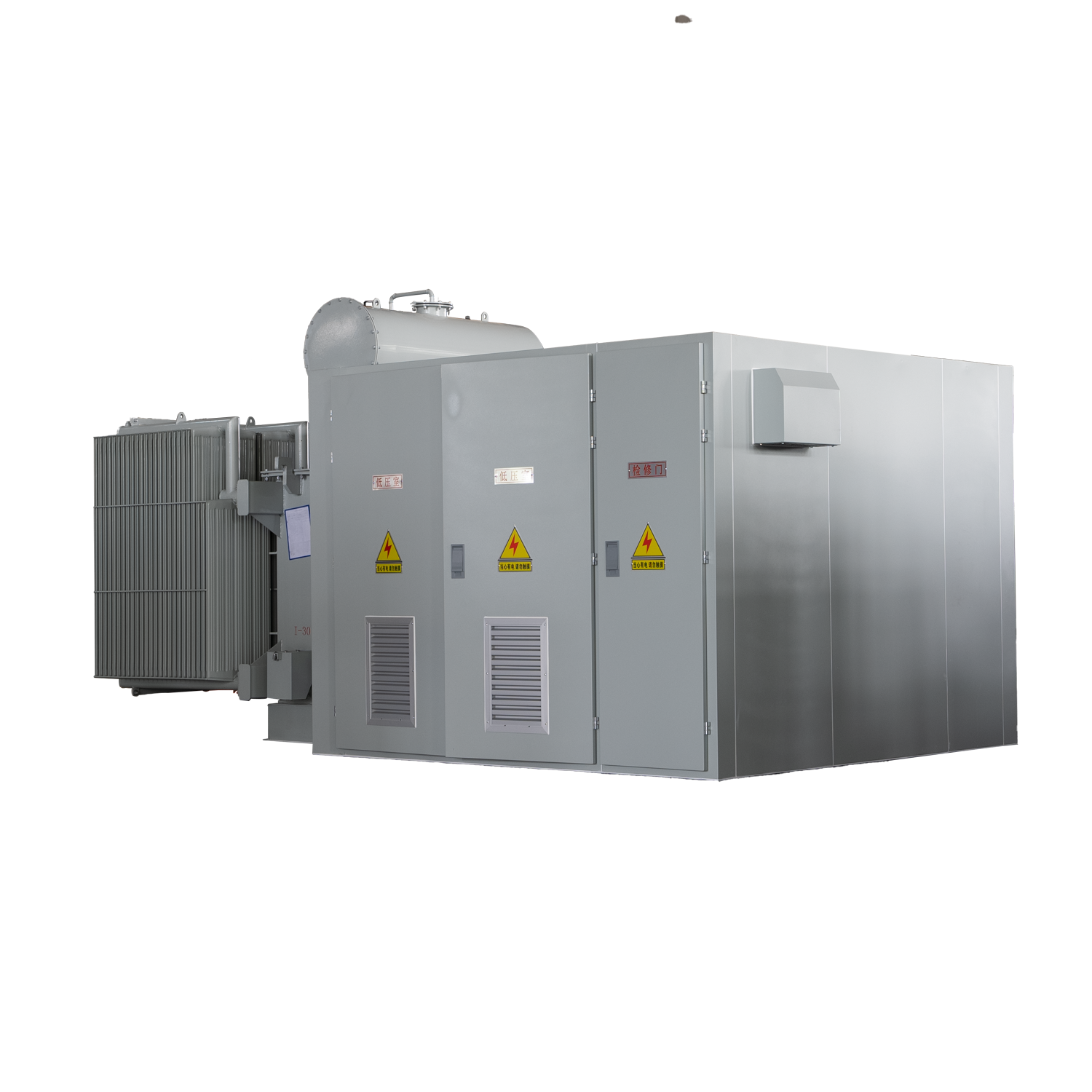
Product overview: Wind combined transformer series products for our company specially designed and developed for wind power generation products, wind ...
See DetailsRequest for a call today






Contact Us