



 English
 中文简体
中文简体 русский
 Español
 عربى
عربىCat:Underground Box Substation
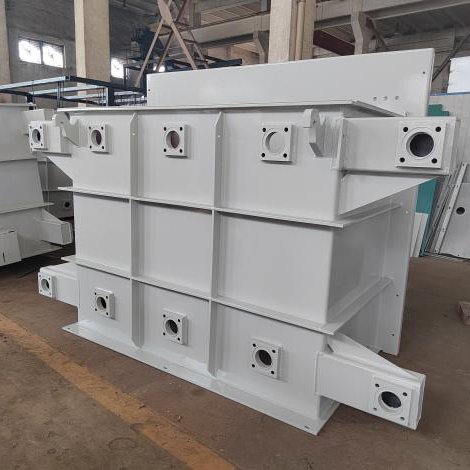
Product overview:All-buried box-type substation (referred to as all-buried box-type transformer) is a new generation of box-type transformer newly dev...
See DetailsThe power transformer is an indispensable component in many electrical systems. Its main function is to convert electrical energy from one voltage level to another. In this process, the transformer will inevitably suffer energy loss, which is mainly manifested in the generation of heat and the waste of electrical energy. Therefore, improving the efficiency of the power transformer and reducing losses can not only save energy, but also reduce operating costs and extend the service life of the equipment.
The efficiency of the transformer is closely related to its core material. Most power transformers use iron core materials to conduct magnetic fields, and the quality of the iron core directly affects the loss of the transformer. In order to reduce hysteresis loss and eddy current loss, high-quality silicon steel sheets are usually selected as core materials. This material has low resistance and good magnetic permeability, which can effectively reduce energy loss. In some high-efficiency transformers, high-performance alloy materials are also used. These materials have better magnetic properties and conductivity, which can further reduce losses.
The design of the transformer also has an important impact on its efficiency. In order to improve efficiency, the winding design of the transformer needs to take into account the factors of reducing resistance losses. For example, the use of copper wire or aluminum wire with good conductivity as the winding material can effectively reduce the heat generated when the current passes through the winding. The arrangement of the windings also needs to be reasonable to avoid long current paths to reduce the losses caused by resistance. In some transformers with high-efficiency designs, multi-section windings may also be used to further optimize the energy transmission effect.
The operating frequency of the transformer is also closely related to efficiency. Increasing the operating frequency can usually reduce the size and weight of the transformer, but it will also bring certain losses. Therefore, when designing, it is necessary to balance the relationship between operating frequency and efficiency and select the appropriate frequency to ensure that the transformer can operate efficiently. In high-frequency applications, the use of special materials and designs to reduce high-frequency losses is also the key to improving efficiency.
The heat dissipation design of the transformer also has a significant impact on its efficiency. The transformer will generate a certain amount of heat during operation. If the heat cannot be dissipated in time and effectively, it will cause the transformer to overheat, which will affect its efficiency and shorten its service life. Therefore, reasonable heat dissipation design is an important means to improve the efficiency of the transformer. Common heat dissipation methods include natural heat dissipation and forced heat dissipation. For high-power transformers, it may be necessary to use fans or oil cooling to improve the heat dissipation effect and ensure that the transformer maintains a good operating temperature during long-term operation.
The load condition when using the transformer also directly affects its efficiency. In actual applications, transformers usually do not always work at rated loads, but under different load conditions. Transformers tend to be less efficient under low load or overload conditions. Therefore, optimizing the load use of the transformer and avoiding low load and overload operation can effectively improve efficiency. In addition, choosing a transformer that matches the actual load is also an effective way to reduce energy loss.
Regular maintenance and inspection are also necessary measures to ensure the efficient operation of the transformer. Long-term use may cause dust accumulation inside the transformer or aging of the insulation layer, which will increase losses and reduce efficiency. Therefore, regularly checking the internal state of the transformer, cleaning the radiator, checking the condition of the insulation material, and replacing aging parts in time are important links in improving the efficiency of the transformer.
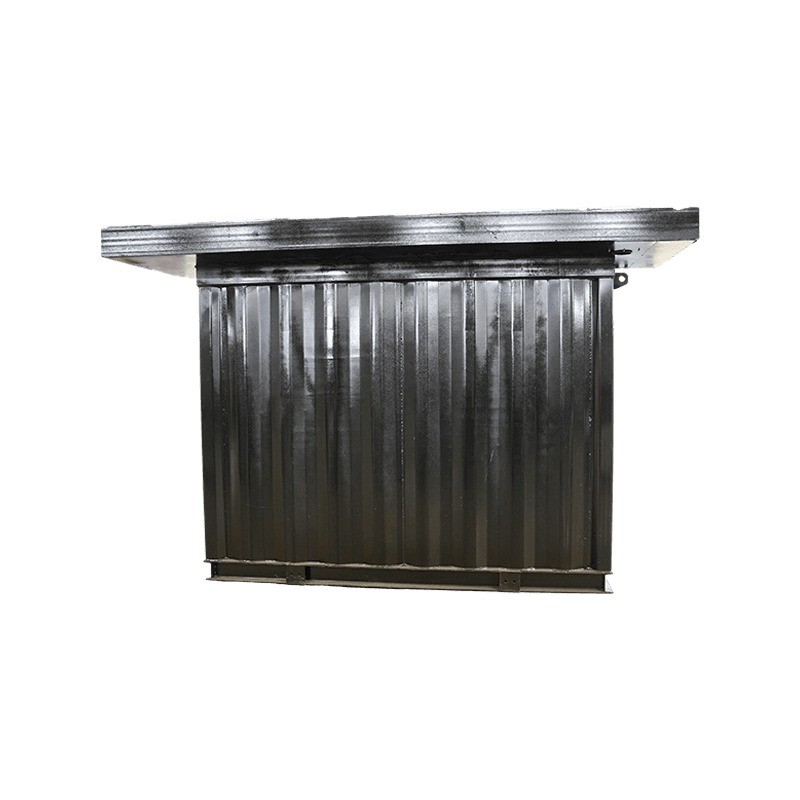
Product overview:All-buried box-type substation (referred to as all-buried box-type transformer) is a new generation of box-type transformer newly dev...
See Details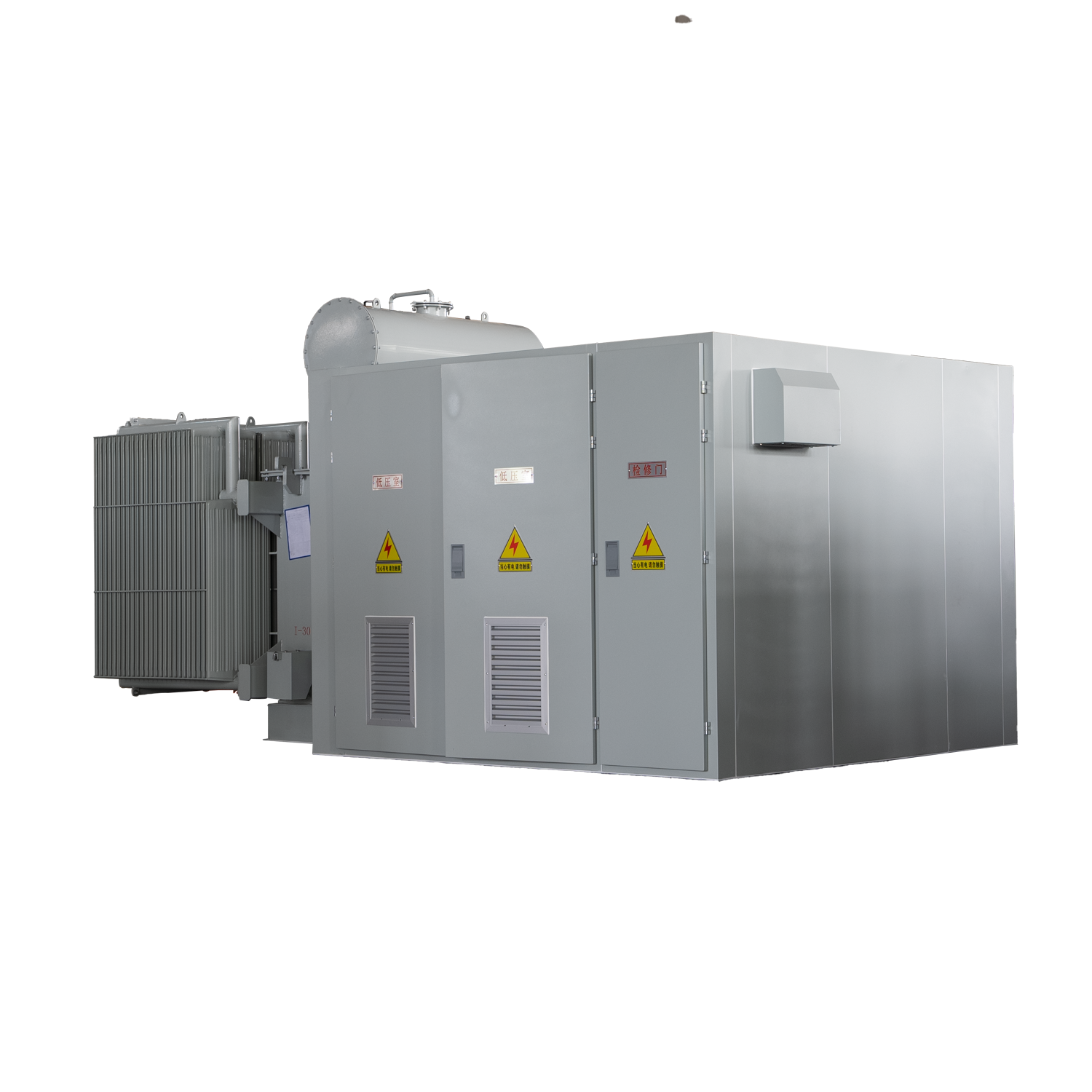
Product overview: Wind combined transformer series products for our company specially designed and developed for wind power generation products, wind ...
See Details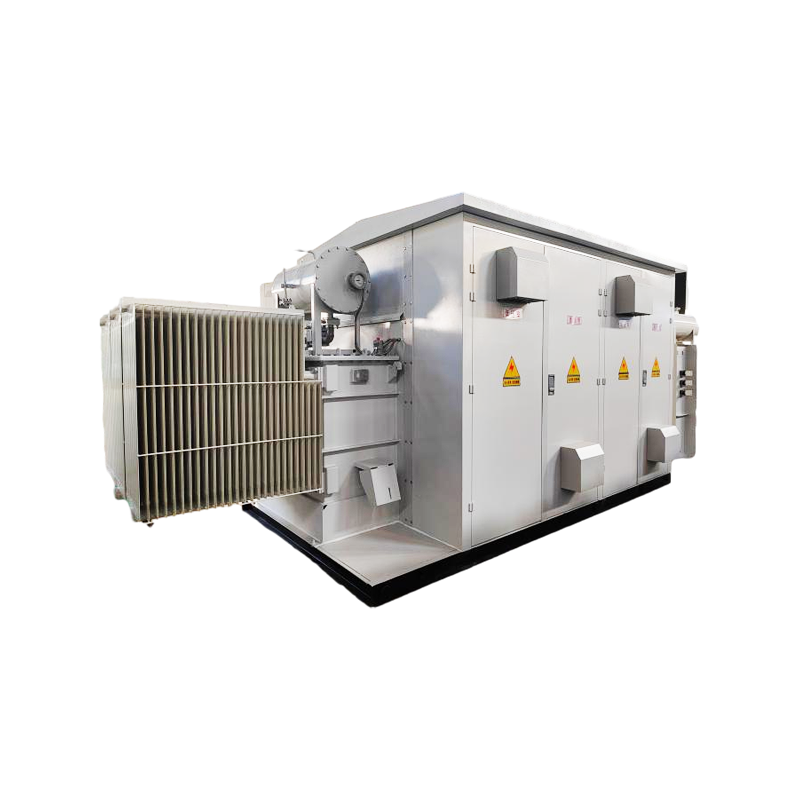
An energy storage box substation is a substation that integrates a traditional substation and energy storage system in a box. It is mainly composed of...
See Details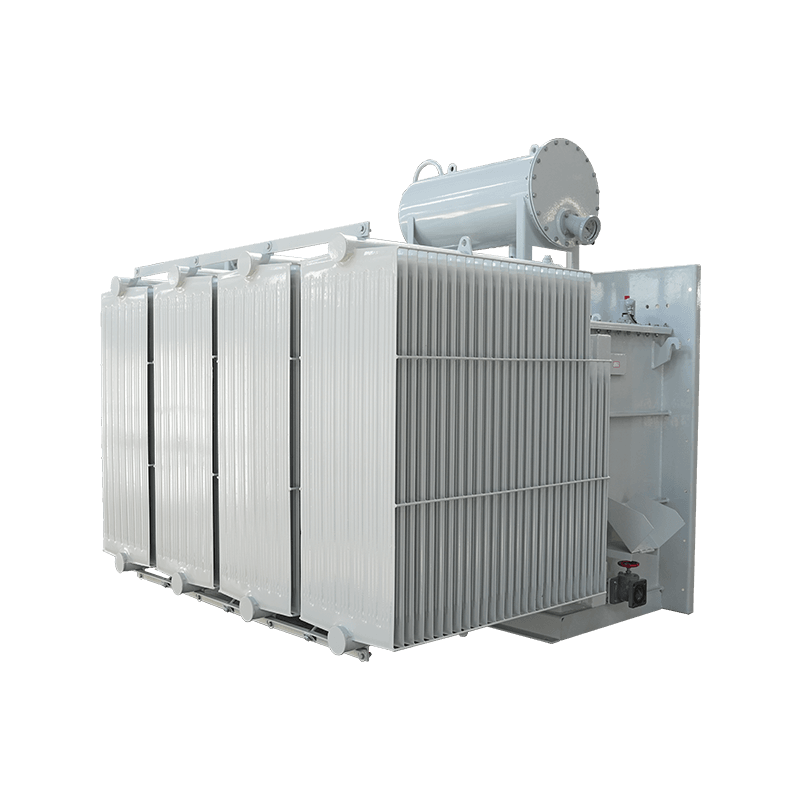
Product overview: Product ZGS series new energy combined transformer is to meet the growing requirements of photovoltaic power supply, our company in ...
See DetailsRequest for a call today






Contact Us