



 English
 中文简体
中文简体 русский
 Español
 عربى
عربىCat:American-Style Box Substation
Product Overview: ZGS series combined transformer is a series of products developed according to the needs of urban multi-grid construction and develo...
See DetailsPower transformers are essential components in electrical networks, responsible for transferring electrical energy between circuits while adjusting voltage levels as required. Efficiency in a power transformer refers to the ratio of output power to input power, expressed as a percentage. High efficiency indicates minimal energy losses during operation. Evaluating transformer efficiency involves considering both load-dependent and no-load losses. No-load losses occur when the transformer is energized but not supplying load, while load-dependent losses arise from current flowing through windings. Both aspects are crucial in determining whether a power transformer meets energy-saving requirements in modern electrical systems.
No-load losses, also known as core losses, happen due to magnetization of the transformer core even when no load is connected. These losses primarily result from hysteresis and eddy currents in the core material. Reducing no-load losses is a key factor in improving transformer efficiency, particularly for transformers that operate continuously or experience long periods of low load. Modern power transformers use high-quality silicon steel or amorphous metal cores to minimize hysteresis loss and laminated construction to reduce eddy current loss. By focusing on no-load losses, manufacturers can design transformers that align more closely with energy-saving standards.
Load-dependent losses, also called copper losses, occur due to resistance in transformer windings when current flows through them. These losses increase with higher load currents and are affected by conductor material, cross-sectional area, and winding design. Optimizing winding configuration, using high-conductivity materials, and effective cooling systems can reduce these losses, improving overall efficiency. Energy-saving requirements often emphasize reducing both no-load and load losses, as this contributes to lower operational costs and more sustainable energy consumption.
The core material of a power transformer significantly impacts efficiency and no-load losses. High-grade silicon steel or amorphous metal cores are widely used to reduce hysteresis and eddy current losses. Laminated cores are constructed to minimize circulating currents, thereby improving efficiency. Additionally, precise core assembly ensures even distribution of magnetic flux, which reduces localized heating and energy wastage. By selecting appropriate core materials and focusing on structural precision, transformers can achieve lower no-load losses and comply with energy-saving requirements over prolonged operational periods.
The design of transformer windings influences both load-dependent losses and overall efficiency. Properly designed windings reduce resistive losses and improve voltage regulation. Transformers intended for energy-efficient applications often use optimized conductor sizes, high-conductivity materials, and interleaving techniques to minimize leakage reactance. Insulation quality and placement also play a role in reducing energy loss and maintaining long-term performance. By considering these factors in the design phase, manufacturers can produce power transformers that balance efficiency, reliability, and energy conservation.
Effective cooling is crucial for maintaining transformer efficiency. Heat generated from both no-load and load losses can increase resistance in windings and accelerate insulation aging. Cooling systems, including air, oil, or hybrid methods, help maintain optimal operating temperatures. Efficient thermal management not only prevents excessive losses but also extends transformer lifespan. By managing heat effectively, transformers can maintain their rated efficiency, ensuring compliance with energy-saving requirements while providing stable operation under varying load conditions.
| Factor | Impact on Efficiency | Energy-Saving Measures |
|---|---|---|
| Core Material | Reduces hysteresis and eddy current losses | Use high-quality silicon steel or amorphous metals |
| Windings | Minimizes resistive losses | Optimize conductor size and geometry |
| No-Load Losses | Occurs when transformer is idle | Use advanced core materials and precise assembly |
| Load Losses | Occurs during current flow | Reduce through conductor selection and cooling |
| Cooling System | Maintains optimal temperature | Enhance thermal management techniques |
Energy efficiency in power transformers is guided by standards such as IEC, NEMA, and DOE regulations, which specify limits for no-load and load losses. Compliance with these standards ensures that transformers meet energy-saving requirements while providing reliable performance. Manufacturers often certify transformers according to these standards, offering assurance that the product aligns with energy conservation goals. Transformers designed with these requirements in mind reduce electricity consumption and contribute to environmental sustainability.
Transformer efficiency is influenced not only by design but also by operational practices. Operating near the optimal load level minimizes the relative impact of no-load losses and ensures efficient energy transfer. Proper maintenance, including inspection of windings, insulation, and cooling systems, helps sustain efficiency over time. Load management strategies, such as distributing demand across multiple transformers, can further optimize performance. By implementing appropriate operational practices, the overall energy-saving potential of a power transformer can be maximized.
Recent innovations in transformer design focus on reducing losses through advanced materials, optimized core geometry, and enhanced cooling solutions. Amorphous metal cores, low-loss insulation, and intelligent cooling systems contribute to lower no-load and load losses. Computer-aided simulations allow manufacturers to predict transformer behavior under various operating conditions, ensuring energy efficiency before production. These innovations provide a means to meet stricter energy-saving requirements while maintaining reliability and performance in diverse applications.
Different transformer designs vary in efficiency and loss characteristics. High-efficiency transformers feature lower no-load and load losses, while standard models may exhibit higher energy consumption during both idle and loaded operation. Evaluating transformer specifications, including efficiency ratings and loss values, helps in selecting a product suited for energy-saving objectives. Awareness of these differences enables industries and utilities to make informed decisions that balance operational needs with energy conservation goals.
| Efficiency Factor | High-Efficiency Transformer | Standard Transformer |
|---|---|---|
| No-Load Loss | Low due to improved core materials | Higher, typical of older designs |
| Load Loss | Optimized through winding design | Higher resistive losses |
| Cooling | Advanced system maintains temperature | Less efficient cooling |
| Operational Cost | Reduced energy consumption | Higher energy cost |
| Compliance | Meets latest energy-saving standards | May not meet modern standards |
Power transformers with reduced no-load losses and improved efficiency offer significant long-term benefits. Lower energy consumption translates to reduced electricity costs, and efficient thermal management prolongs service life. Energy-efficient transformers also contribute to environmental goals by decreasing carbon emissions associated with power distribution. Selecting transformers designed for energy-saving performance aligns with operational cost management, environmental responsibility, and regulatory compliance. Over time, these factors contribute to sustainable and reliable power system operation.
Regular monitoring and maintenance are crucial to sustaining the efficiency of power transformers. Inspections of windings, insulation, and cooling systems can detect potential issues that may increase losses. Implementation of real-time monitoring systems provides feedback on performance, allowing for timely corrective actions. Proper maintenance ensures that both no-load and load losses remain within expected ranges, preserving energy-saving benefits throughout the transformer’s operational life. Consistent attention to monitoring and maintenance supports ongoing efficiency and reliability in power distribution networks.
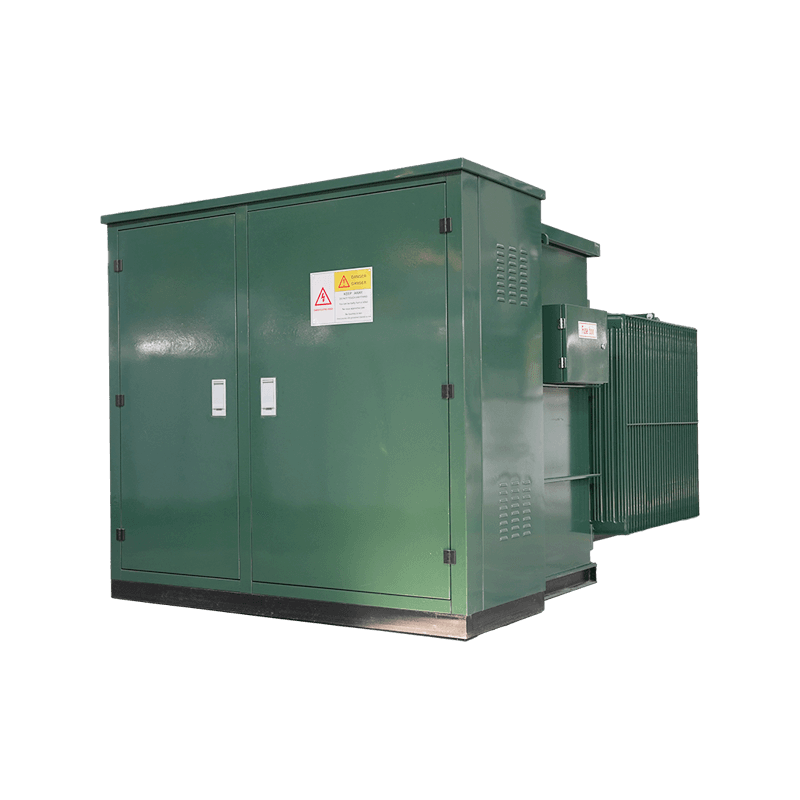
Product Overview: ZGS series combined transformer is a series of products developed according to the needs of urban multi-grid construction and develo...
See Details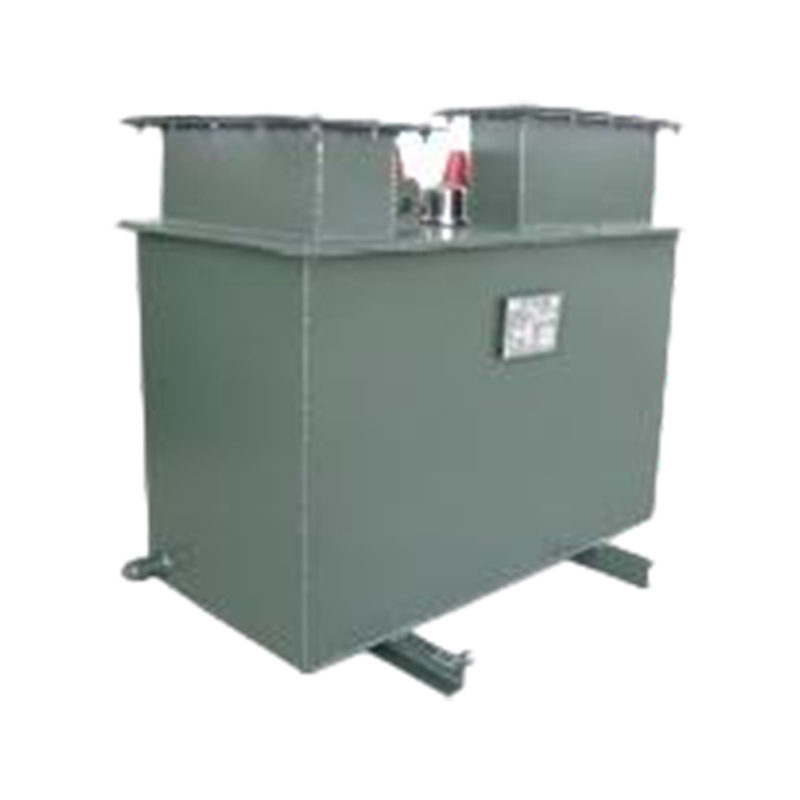
Product Overview: Underground transformer: a distribution transformer or combined transformer that can be installed in a pit. It is generally installe...
See Details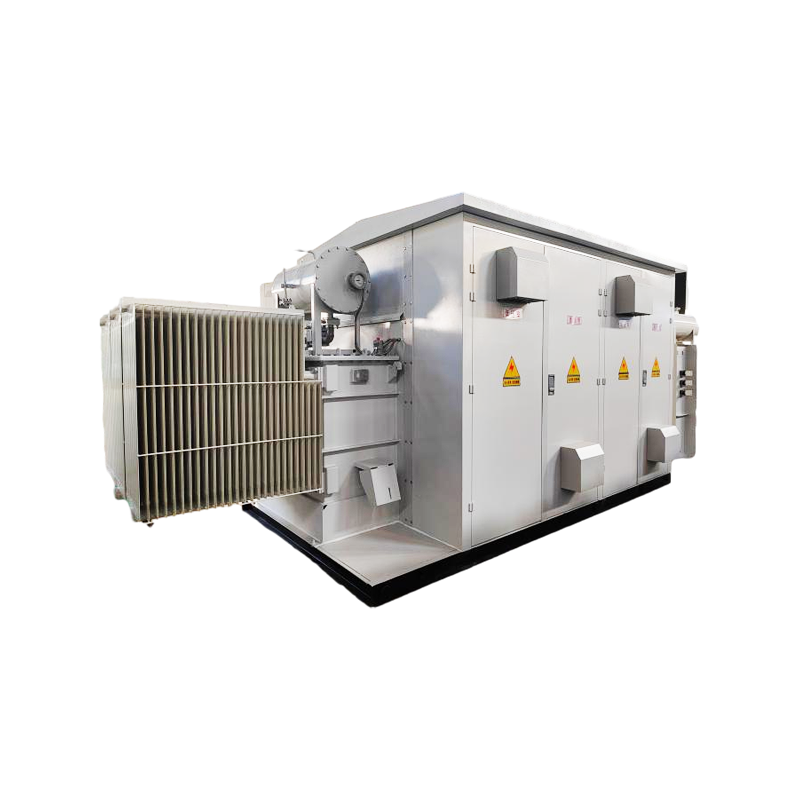
An energy storage box substation is a substation that integrates a traditional substation and energy storage system in a box. It is mainly composed of...
See Details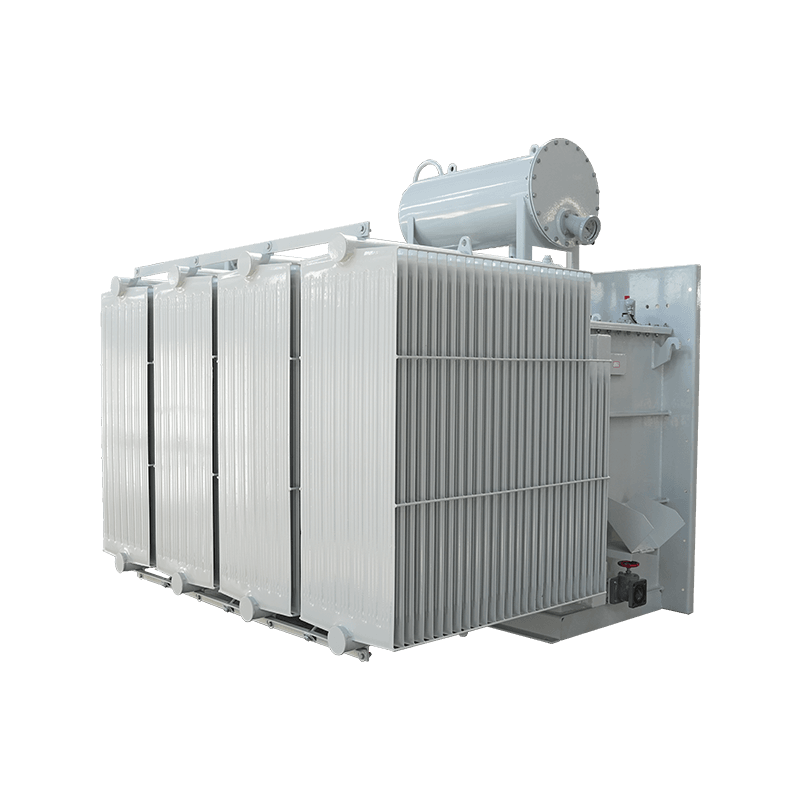
Product overview: Product ZGS series new energy combined transformer is to meet the growing requirements of photovoltaic power supply, our company in ...
See DetailsRequest for a call today




Contact Us